James Gunn Clarifies the Creative Inspirations Behind DC Universe Film Man of Tomorrow

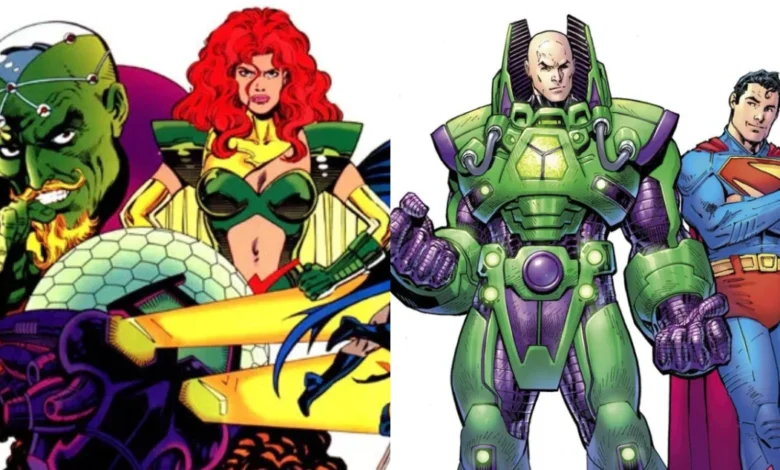
The development cycle of James Gunn’s upcoming DC Universe project, Man of Tomorrow, has been defined by a constant stream of fan speculation and subsequent official corrections. As the production gears up for its July 9, 2027, theatrical release, the narrative surrounding the film’s plot—specifically regarding the inclusion of iconic comic book arcs and supporting characters—has shifted rapidly. Most recently, James Gunn has addressed persistent rumors that the 1992 Superman crossover event Panic in the Sky serves as the foundational blueprint for the film’s narrative, definitively stating that the comic was not a primary influence on his script.
This clarification marks another instance of the DC Studios co-CEO providing transparency regarding the creative process behind the new DCU. By debunking these theories, Gunn has not only narrowed the scope of what fans can expect from the Man of Tomorrow but has also effectively cooled speculation surrounding the potential debut of the alien character Maxima.
The Evolution of Fan Speculation and the Panic in the Sky Theory
The rumor mill surrounding Man of Tomorrow gained significant momentum following Gunn’s earlier public debunking of reports that Wonder Woman would be making her DC Universe debut in the film. Once the possibility of an Amazonian appearance was discarded by the director, observers pivoted to another long-standing fan favorite: Maxima.
Because Maxima is prominently featured in the 1992 story arc Panic in the Sky—a high-stakes crossover involving Brainiac, Superman, and a host of intergalactic heroes—the logic applied by fans was relatively straightforward. If Brainiac is the antagonist, and Maxima is a key player in his most famous modern-era arc, it was deduced that the film would likely adapt that specific storyline. This speculative domino effect is common in the era of social media, where the absence of official plot details is frequently filled by cross-referencing comic book history with perceived "clues" regarding casting and character rosters.
However, the reality of production often differs from the linear expectations of fandom. As Gunn noted, the inclusion of a specific character does not necessitate the adaptation of a specific book. The creative process for the DC Universe, according to Gunn, involves an exhaustive review of a character’s entire publishing history to synthesize a version that fits the specific needs of the film’s narrative.
Official Clarification: The Director’s Approach to Brainiac
In a direct response to inquiries posted on his Threads account, James Gunn addressed the rumors surrounding his research process for the film. He emphasized that while his preparation for Man of Tomorrow was indeed extensive, it was not limited to any single narrative arc.
"Fun story but not really, no," Gunn stated when asked about the Panic in the Sky influence. "More specifically: I read almost every Brainiac story to put Brainiac in Man of Tomorrow together and used bits and pieces I thought worked best. But Panic in the Sky wasn’t a key influence on the story."
This statement provides critical insight into the editorial direction of the DCU. By opting for a "bits and pieces" approach—often referred to in screenwriting as a mosaic methodology—Gunn is signaling that the DC Universe will not be a direct panel-to-screen adaptation of specific comic runs. Instead, the films are intended to be curated syntheses of decades of lore. This allows for more creative freedom, as the filmmakers are not beholden to the constraints of older, sometimes dated, comic book pacing or specific character beats that may not function well within a modern cinematic structure.
Chronology of the DC Universe Development
The road to Man of Tomorrow is part of a broader, multi-year strategy initiated by James Gunn and Peter Safran since they assumed leadership of DC Studios in late 2022. The timeline of their tenure has been marked by a clear attempt to reset the audience’s expectations:
- October 2022: James Gunn and Peter Safran are named co-CEOs of DC Studios.
- January 2023: The "Chapter One: Gods and Monsters" slate is announced, outlining the initial vision for the rebooted universe.
- Late 2025 – Early 2026: Casting and pre-production for Man of Tomorrow ramp up, sparking intensive social media speculation regarding the film’s cast and source material.
- Early 2026: Gunn begins a series of public interactions via Threads, confirming that Wonder Woman will not appear in the film and later clarifying the status of the Brainiac arc.
- July 9, 2027: Scheduled theatrical release of Man of Tomorrow.
This timeline demonstrates a deliberate effort to manage expectations. By engaging directly with the fanbase, Gunn is attempting to mitigate the potential for disappointment that arises when fan-driven theories inevitably fail to materialize on screen.
Analysis of the Implications for the DC Universe
The debunking of the Panic in the Sky rumor has significant implications for the film’s potential cast and supporting characters. If the narrative is not tied to the events of that specific comic, the likelihood of Maxima appearing as a major antagonist diminishes significantly.
Industry analysts often monitor such clarifications as indicators of the studio’s broader strategic direction. By distancing the film from specific legacy arcs, DC Studios is protecting the "freshness" of their new universe. If the films were to rely too heavily on well-known, pre-existing storylines, the audience might perceive the new DCU as a retread of previous iterations or established media rather than a new starting point.
Furthermore, the "athletic woman" casting rumor that previously circulated in trade publications now appears increasingly tenuous. Without the narrative necessity of Maxima, the casting requirements for the film may be vastly different than what was previously assumed by the public. This serves as a cautionary tale for observers who correlate casting calls with specific comic book roles.
Broader Impact on Audience Engagement
The relationship between James Gunn and the DC fan community is unique in the modern cinematic landscape. The director’s willingness to engage in a dialogue on social media creates a feedback loop that is both advantageous and challenging. While it fosters a sense of transparency and community, it also keeps the rumor mill churning at an accelerated pace.
As the 2027 release date approaches, the studio will likely continue to balance this level of openness with the necessary secrecy required to preserve the film’s narrative surprises. The key takeaway for audiences is that the DC Universe is being constructed through a lens of creative synthesis rather than literal adaptation.
The rejection of Panic in the Sky as a key influence suggests that fans should prepare for an original interpretation of Brainiac—one that may pull from his Silver Age origins, his modernization in the 1980s, or even his more recent iterations in the DC Rebirth era. The goal is clearly to create a version of the Man of Steel’s world that feels cohesive and modern, unburdened by the necessity to replicate the specific beats of 1990s comic book crossovers.
As the industry looks toward the July 2027 release, the primary takeaway from this development is that while the source material is the bedrock of the DC Universe, it is not the ceiling. The creative team is prioritizing a narrative that serves the film’s specific goals, ensuring that the new DCU remains an evolving entity capable of surprising even the most well-read comic book enthusiasts. With the creative direction now clarified, focus will likely shift toward official casting announcements and trailers, which will finally provide the concrete answers that speculation has thus far failed to supply.
Related posts: