Marvel Implements Strict Cross-Platform Oversight to Align Preschool Programming with the Marvel Cinematic Universe

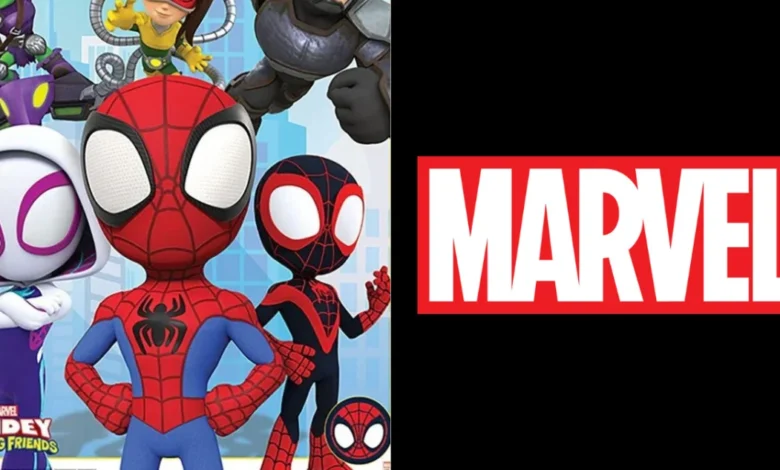
The Marvel Cinematic Universe (MCU) has long been defined by its intricate web of interconnected storytelling, where a singular narrative thread in a feature film can influence a streaming series or a direct-to-video release. However, recent disclosures indicate that this oversight extends far beyond the core live-action projects, encompassing even the most demographic-specific corners of the brand. According to new reports, Marvel Studios maintains a rigorous communication protocol with the production team behind the hit preschool series Spidey and His Amazing Friends to ensure that the animated show remains synchronized with the overarching strategic vision of the MCU.
While the series, which targets a demographic of children under the age of five, is not considered part of the official MCU canon, its status as a foundational entry point for young audiences has necessitated a high level of brand management. This move highlights the evolving nature of transmedia storytelling, where even secondary content must adhere to a "master plan" to avoid brand dilution or narrative contradictions.
The Mechanism of Narrative Control
The coordination between Marvel Studios and the Spidey and His Amazing Friends production team is not merely a courtesy; it is a strategic alignment. As the Disney Junior series celebrates significant milestones—including its 100th episode—showrunners have confirmed that they receive direct guidance from Marvel’s leadership. This communication is designed to prevent the introduction of plot points, characters, or thematic arcs that could potentially conflict with the development of the live-action Marvel franchise.
Industry analysts observe that this level of oversight is unprecedented for children’s animation. Traditionally, preschool content operates within its own contained ecosystem, focusing on educational values and simplified morality. By integrating these shows into the broader corporate "master plan," Marvel is effectively creating a preemptive shield. If a character or a villain is slated for a future live-action cinematic appearance, the preschool show is instructed to steer clear, or conversely, if the preschool show explores a concept, it may signal that the MCU has no immediate plans to utilize that intellectual property in a theatrical capacity.
Chronology of Brand Expansion
To understand why this level of oversight is being applied, one must look at the rapid expansion of the Spider-Man brand under the Marvel Studios and Sony Pictures collaboration.
- 2017: Spider-Man: Homecoming premieres, cementing Tom Holland’s iteration of Peter Parker within the MCU and establishing a global baseline for the character.
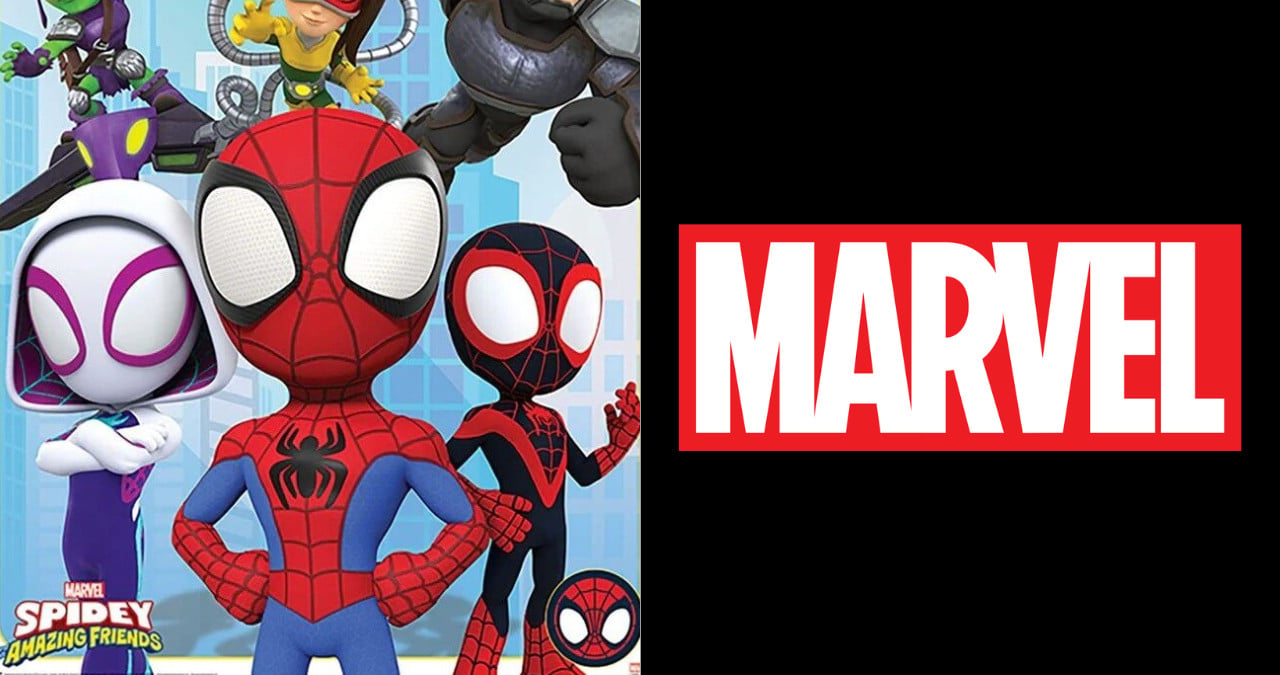
- 2021: Spidey and His Amazing Friends debuts on Disney Junior, introducing a new generation of fans to Spider-Man, Ghost-Spider, and Spin.
- 2022–2024: The series gains massive popularity, becoming a staple in households and driving significant merchandising revenue.
- 2025: Marvel intensifies internal "cross-pollination" efforts, ensuring that character traits and rogue gallery selections remain consistent across all animated and live-action media.
- 2026: Spider-Man: Brand New Day is scheduled for theatrical release on July 31st, marking the next major chapter in the live-action franchise.
The timing of these interactions suggests that as the MCU prepares for its next phase of films, the studio is tightening its grip on every piece of content that bears the Spider-Man name to prevent audience confusion and maintain narrative purity.
Implications of Symbiote and Villain Exclusions
The most tangible evidence of this alignment can be found in the character roster utilized by the animated series. The introduction of "Symbie"—a symbiote character—into Spidey and His Amazing Friends serves as a primary case study. In the comic book lore, symbiotes are complex, often darker entities associated with characters like Venom or Carnage. By introducing a sanitized version of this concept into a preschool-friendly environment, Marvel essentially "claims" the character for that space.
This implies that the MCU’s live-action version of the Spider-Man universe may avoid specific, complex symbiote-related arcs that could clash with the version established for children. Similarly, the appearance of specific iterations of Doctor Octopus and Ultron in the animated show suggests a degree of "off-limits" status for these characters in certain narrative contexts. If a character is featured as a recurring antagonist in a show designed for toddlers, the likelihood of that character appearing as a high-stakes, lethal threat in a PG-13 or R-rated MCU film diminishes significantly, as the studio seeks to maintain a cohesive, albeit segmented, brand identity.
Data and Market Impact
The importance of this oversight is underscored by the sheer reach of the preschool market. Spidey and His Amazing Friends is not merely a television show; it is an entry point into the Marvel ecosystem. Market research indicates that early exposure to IP significantly impacts long-term consumer loyalty. By ensuring that the "rules" of the Spider-Man universe remain consistent—even for a three-year-old viewer—Marvel is building a subconscious familiarity that will transition with those viewers as they grow older.
According to industry data, children’s animation accounts for a significant percentage of Disney’s total viewership hours on streaming platforms. With millions of households tuning in, the potential for brand fragmentation is high. Marvel’s decision to implement a dedicated team to monitor these scripts reflects a shift in priority: the studio no longer views animation and live-action as separate silos, but as a singular, unified brand asset that requires constant calibration.
Official Perspectives and Industry Reaction
While Marvel Studios has not released a formal statement regarding the specific personnel involved in these "check-ins," the industry consensus, voiced by showrunners like those associated with the series, confirms the existence of a high-level creative pipeline. The "master plan" mentioned by producers acts as a filter. For the creative team on the animated side, this means their sandbox is smaller, but for the studio, it ensures that the "brand equity" of Spider-Man remains untarnished by conflicting portrayals.
This strategy is common in major global franchises. Similar to how Lucasfilm manages the Star Wars canon across novels, games, and animation, Marvel is moving toward a model where every piece of media is a brick in a larger wall. The distinction here is that the wall must be accessible to both the hardcore fan analyzing the MCU and the toddler learning their colors through Spider-Man’s costume.
Broader Implications for the MCU
The integration of preschool shows into the MCU’s strategic planning process suggests that the studio is becoming increasingly protective of its intellectual property. As the Multiverse saga continues to expand, the risk of narrative "noise" increases. By keeping the animated series on a "short leash," Marvel is attempting to minimize the risk of contradictory lore.
Furthermore, this news provides a roadmap for fans attempting to predict the future of the live-action films. If a character or plot device appears in a peripheral project like Spidey and His Amazing Friends, it serves as a reliable indicator that the character is likely being reserved for a specific tier of the franchise. It allows for a form of "meta-analysis" where fans can deduce which villains or story arcs are considered "safe" for younger audiences and which are being reserved for the darker, more complex tone of the theatrical releases.
As the industry moves toward July 31, 2026, and the release of Spider-Man: Brand New Day, the influence of these behind-the-scenes negotiations will become increasingly apparent. The success of the MCU has always been rooted in its ability to balance massive, interconnected storytelling with distinct character arcs. By expanding this management style to include preschool animation, Marvel is reinforcing its commitment to brand consistency, ensuring that whether a fan is five years old or fifty, the Spider-Man they encounter feels like part of the same grand, cohesive universe.
In conclusion, the practice of vetting children’s content for alignment with the MCU is a testament to the scale of the modern entertainment industry. It signifies that there is no longer such a thing as "throwaway" content. Every character interaction, every villain appearance, and every plot twist is part of a calculated strategy to maintain the most successful franchise in cinema history, ensuring that the legacy of Spider-Man remains consistent, profitable, and meticulously controlled for years to come.
Related posts: