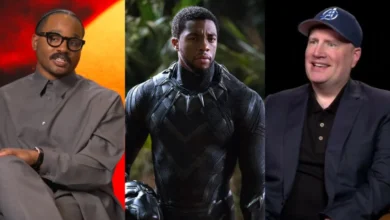
Kevin Feige and Ryan Coogler reflect on the profound legacy of Chadwick Boseman and the human cost of leadership in the Marvel Cinematic Universe

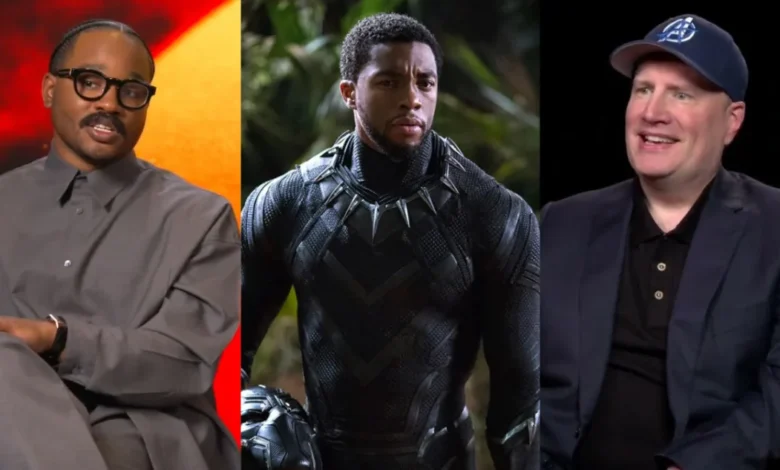
The passing of Chadwick Boseman in August 2020 remains one of the most significant and sorrowful chapters in the history of modern blockbuster filmmaking. As the face of the Marvel Cinematic Universe’s most culturally impactful franchise, Boseman’s death not only left a void in the hearts of his collaborators but forced a fundamental re-evaluation of how major studios handle grief, creative continuity, and the personal relationships that exist behind the polished veneer of corporate machinery. Years later, Marvel Studios President Kevin Feige and director Ryan Coogler have provided rare, intimate insights into that period of mourning, highlighting a side of the industry rarely seen by the public.
A Shared Journey Through Grief
The recent dialogue between Kevin Feige and Ryan Coogler at the University of Southern California offered a poignant look at the human toll of the industry. For Feige, the primary architect of the interconnected MCU, the loss of Boseman served as a harsh lesson in the fragility of professional relationships. In a high-pressure environment defined by production schedules, release dates, and long-term narrative planning, the assumption of a "next time" is often a survival mechanism.
Feige admitted that he had previously operated under the assumption that there would always be another lunch, another meeting, or another opportunity to reconnect with the actors who bring his vision to life. The sudden nature of Boseman’s passing—a private battle with colon cancer that few outside his immediate circle knew about—shattered that illusion. The realization that there would be no "next time" resonated deeply, forcing a change in perspective for the executive. This sentiment reflects a broader shift in how leaders in high-stakes creative industries are beginning to prioritize the human element of their teams over the relentless momentum of franchise output.
The Human Response to a Studio Crisis
For Ryan Coogler, the director who helped turn Black Panther into a global cultural phenomenon, the immediate aftermath of Boseman’s death was not defined by business meetings or casting dilemmas. Instead, he recalls the compassionate response from the highest levels of the Walt Disney Company. During the height of the 2020 global lockdown, when the world was already in a state of isolation and anxiety, Feige and Disney CEO Bob Iger made a concerted effort to reach out to Coogler.
Coogler noted that the executives did not visit him to discuss the future of the Black Panther franchise, the implications for the Marvel brand, or how they might bridge the narrative gap left by the loss of their lead actor. Their priority was the wellbeing of the director. By visiting Coogler during the lockdown and engaging in personal, informal conversations, the studio leadership demonstrated a commitment to the individuals behind the camera. For Coogler, this moment was pivotal; it stripped away the corporate facade and allowed for a genuine human connection during a period of immense personal and collective trauma. This interaction underscores the evolving responsibility of major studios to support their creative talent through crises that transcend professional scope.
Chronology of a Cultural Milestone
To understand the weight of these reflections, one must look at the timeline of the Black Panther franchise:
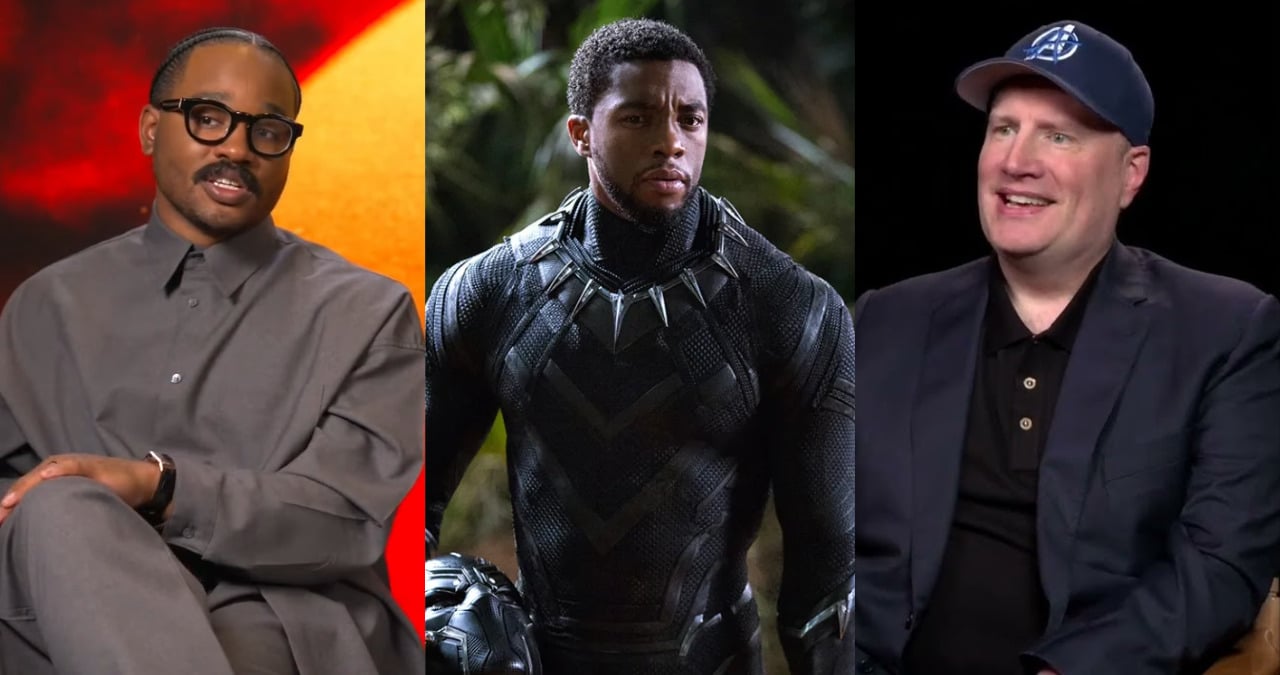
- February 2018: Black Panther is released to critical and commercial acclaim, grossing over $1.3 billion worldwide and becoming the first superhero film to be nominated for the Academy Award for Best Picture.
- August 28, 2020: Chadwick Boseman passes away at age 43 following a four-year battle with colon cancer. The news shocks the global film industry and the public, as his illness had been kept entirely private.
- Late 2020: Marvel Studios and Ryan Coogler navigate the difficult process of mourning while determining the path forward for the franchise, eventually deciding to honor Boseman by making the loss of T’Challa a central theme of the sequel.
- November 2022: Black Panther: Wakanda Forever is released, serving as a cinematic tribute to Boseman and exploring themes of grief, duty, and succession.
- 2025/2026: Ryan Coogler transitions into new professional heights, including an Oscar win for Sinners, while discussions regarding Black Panther 3 and the future of the MCU’s Phase 6 continue to develop behind the scenes.
The Impact on the Marvel Cinematic Universe
The loss of Chadwick Boseman fundamentally altered the trajectory of the MCU. Marvel Studios made the deliberate choice not to recast the role of T’Challa, opting instead to have the character pass away within the narrative. This decision, while creatively restrictive, was widely praised for its integrity and respect for Boseman’s singular performance. By choosing to honor the actor rather than the character’s commercial longevity, Marvel set a new precedent for how legacy characters are handled in shared universes.
However, as the MCU moves into the conclusion of the Multiverse Saga, rumors persist regarding the future of the mantle of the Black Panther. Whether the studio chooses to introduce a new iteration of the character or continue to evolve the supporting cast, the shadow of Boseman’s performance remains the benchmark. The challenge for Coogler, should he return for a third installment, will be to balance the established tone of the series with the inevitable progression of the narrative.
Industry Implications and Future Outlook
The reflections shared by Feige and Coogler highlight a shift in the power dynamics of Hollywood. As creators and executives become more vocal about the personal toll of their work, the industry is seeing a greater emphasis on mental health and professional support systems. The "humanity beyond the corporate things" that Coogler referenced is increasingly becoming a point of focus for talent retention and creative health.
Data from the American Film Institute and other industry watchdogs have shown that the collaborative nature of major franchises requires a high degree of trust and personal investment. When that trust is anchored in genuine concern rather than just output, the quality of the final product—and the longevity of the partnership—is inherently strengthened.
As Black Panther 3 moves through the development phase, the industry will be watching closely to see how the franchise handles its next evolution. With Coogler’s recent success as a filmmaker and the continued expansion of the MCU, the project stands as a testament to the resilience of a creative team that chose to process tragedy together before attempting to resolve it through art. The legacy of Chadwick Boseman, therefore, is not merely found in the box office records of the first Black Panther film, but in the lessons of empathy and human connection that have become part of the studio’s internal culture.
As the narrative of the Multiverse Saga draws to a close, the story of how Marvel navigated the loss of its king remains perhaps the most significant "behind-the-scenes" development of the era. It serves as a reminder that even in an industry defined by massive budgets and global spectacle, the most important work often happens in the quiet, private moments of human support.