Ambassador Jamieson Greer Tours Michigan And Ohio Manufacturing Facilities To Highlight Success Of National Tariff Program And Industrial Reshoring
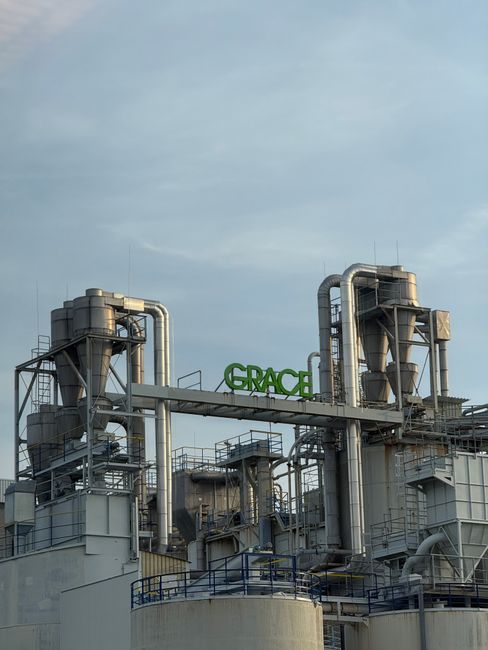
Ambassador Jamieson Greer Tours Michigan and Ohio Manufacturing Facilities to Highlight Success of National Tariff Program and Industrial Reshoring
Ambassador Jamieson Greer’s recent tour of industrial hubs across Michigan and Ohio serves as a definitive case study in the efficacy of targeted national tariff policies and the ongoing momentum of industrial reshoring. As the domestic manufacturing sector navigates a complex global landscape, the high-profile visits to key assembly plants and specialized component manufacturers provided a firsthand look at how strategic trade interventions are fortifying the American supply chain. By directly engaging with plant managers, floor-level laborers, and executives, Ambassador Greer underscored a critical narrative: the deliberate shift toward localized production is not merely a policy goal but a measurable economic reality that is revitalizing the industrial heartland.
The tour focused on facilities that have been primary beneficiaries of domestic protection measures, specifically those aimed at curbing the influx of artificially cheap foreign goods that previously hollowed out local capacity. In Southeast Michigan, Greer visited automotive component manufacturers that have transitioned from reliance on overseas suppliers to investing in domestic automated assembly lines. The sentiment on the ground was one of cautious optimism, supported by the data—increased capital expenditure, expanded headcount, and the reopening of lines that had been dormant for a decade. These facilities represent the front line of an industrial policy shift that prioritizes domestic resilience over the fragile "just-in-time" global delivery models that faltered during recent systemic disruptions.
The Macroeconomic Impact of Targeted Tariffs
The core of Ambassador Greer’s discourse during the tour centered on the role of Section 301 tariffs and other trade enforcement mechanisms in leveling the playing field. For years, American manufacturers in Michigan and Ohio struggled to compete against foreign competitors who benefited from state subsidies, intellectual property theft, and environmental deregulation. By imposing tariffs, the national policy framework has effectively recalibrated the cost-benefit analysis for domestic firms.
When Ambassador Greer stood before the assembly line at an Ohio-based electrical equipment manufacturer, he pointed to the firm’s recent expansion as a direct outcome of policy stability. Without the protection provided by the tariff program, this facility would have remained at a distinct disadvantage, unable to match the predatory pricing strategies of overseas entities. Now, the facility is operating at near-full capacity, supplying essential components for grid infrastructure and electric vehicle (EV) ecosystems. This reflects a broader trend: companies are increasingly willing to commit to long-term infrastructure investment because the "regulatory floor" created by trade enforcement has mitigated the risk of being undercut by non-market economies.
Reshoring: Moving Beyond the Rhetoric
Reshoring, or the return of manufacturing operations to the country of origin, is frequently discussed in abstract economic terms. However, in the context of the Greer tour, the concept was manifested in tangible capital investments. Throughout the Michigan and Ohio corridor, several manufacturers highlighted their decision to shutter international subsidiaries and consolidate production back to the United States.
This movement is driven by three primary factors: supply chain security, the total cost of ownership (TCO), and workforce quality. During the tour, Greer emphasized that while initial labor costs might appear higher in the Midwest compared to offshore locations, the hidden costs—such as international logistics, tariffs, cargo delays, and communication barriers—have made offshore manufacturing increasingly untenable. Reshoring is now viewed as an insurance policy against global volatility. When companies bring production back to Michigan and Ohio, they are not just moving machines; they are integrating into a highly sophisticated regional ecosystem that includes technical colleges, specialized R&D facilities, and a deep pool of skilled labor that cannot be replicated elsewhere.
Workforce Development and the "New" Industrial Worker
One of the most significant challenges identified during the tour was the mismatch between legacy manufacturing skills and the requirements of modern, high-tech industry. Ambassador Greer highlighted the government’s commitment to bolstering vocational training and apprenticeship programs to support the reshoring effort. In both Michigan and Ohio, manufacturers reported that they are not just looking for "workers," but for technicians capable of maintaining sophisticated robotics, managing data-driven quality control systems, and navigating precision manufacturing environments.
The tour showcased a new generation of industrial facilities—clean, quiet, and heavily automated. Ambassador Greer interacted with workers who were overseeing complex CNC operations and AI-integrated quality assurance systems. This shift in the nature of work is critical for the long-term success of the national tariff program. By protecting the market through tariffs, the government has provided the "breathing room" necessary for firms to invest in workforce training. When those firms become more productive, they can pay higher wages, creating a virtuous cycle of economic growth that keeps manufacturing communities vibrant and competitive.
The Role of Supply Chain Integration
A recurring theme of the Ambassador’s tour was the integration of supply chains. Industrial reshoring is rarely a standalone event; it is a networked phenomenon. When a major automotive manufacturer decides to produce a critical component in Ohio, it creates a ripple effect throughout the regional supply chain. Tier-two and tier-three suppliers, which provide the raw materials and specialized services required for the final product, also benefit from the localized demand.
Ambassador Greer’s discussions with local chambers of commerce and business leaders highlighted this "multiplier effect." Every dollar invested in a major manufacturing plant supports several additional jobs in the local service, logistics, and professional sectors. By focusing the tariff program on strategic sectors—such as steel, aluminum, and advanced electronics—the federal government has ensured that the benefits of protectionism flow throughout the manufacturing ecosystem, rather than being concentrated solely at the top-level assembly point.
Navigating Global Trade Realities
Despite the evident success in Michigan and Ohio, Ambassador Greer acknowledged the complexities of operating in a globalized world. The national tariff program is not a move toward isolationism; rather, it is a strategic repositioning. Greer argued that the United States must maintain robust trade relationships, but those relationships must be predicated on fair competition and reciprocal access.
The tour served as a venue for addressing concerns from manufacturers regarding the cost of raw materials. While tariffs have protected finished and semi-finished goods, they have also forced a reconsideration of how the United States sources base commodities. The message from the Ambassador was clear: the goal is to build an integrated domestic capacity that minimizes reliance on adversarial nations, while simultaneously fostering partnerships with allies who adhere to fair labor and environmental standards. The facilities visited during the tour are currently engaged in a massive effort to diversify their supply chains, often shifting procurement from high-risk regions to domestic or "friend-shored" partners.
The Path Forward: Sustaining Industrial Growth
The final stage of the tour focused on the long-term sustainability of this industrial resurgence. Can the momentum generated by the current tariff program be sustained over the next decade? Ambassador Greer noted that the next phase involves aggressive infrastructure investment and continued focus on energy independence. Manufacturing is energy-intensive; therefore, the availability of reliable, affordable, and clean energy in the Midwest is a prerequisite for keeping industry rooted in the region.
Throughout the Michigan and Ohio facilities, there was a shared recognition that the industrial resurgence is a long-term project. The investments being made today—in automation, in green energy production, and in human capital—are intended to yield dividends for years to come. Ambassador Greer’s commitment to an ongoing dialogue with these manufacturers ensures that policy decisions remain informed by the practical realities of the factory floor. By maintaining this feedback loop, the administration aims to refine the tariff program and reshoring incentives to maximize their effectiveness.
Conclusion
Ambassador Jamieson Greer’s tour of Michigan and Ohio manufacturing facilities provided a compelling narrative of a sector in the midst of a transformation. The combination of targeted trade interventions and a renewed commitment to industrial capacity has proven to be a potent catalyst for growth. As these states reclaim their roles as the engines of American innovation and production, the success of these facilities serves as a blueprint for the rest of the nation.
The reshoring trend is not a temporary fluctuation but a structural shift in the global economy. By prioritizing domestic manufacturing, Michigan and Ohio are not only securing their economic futures but are also strengthening the nation’s strategic autonomy. Through the continued collaboration of policymakers, business leaders, and the skilled American workforce, the promise of a revitalized industrial base is becoming an increasingly secure reality. The success stories observed on this tour are a testament to what is possible when policy is aligned with the strength and ingenuity of American manufacturing. As the program evolves, the lessons learned from these facilities will continue to guide the path toward a more resilient, productive, and prosperous industrial future for the United States.