Black Forest Games Secures Independence from Embracer Group Through Management Buyout and Co-Founders Third Signal

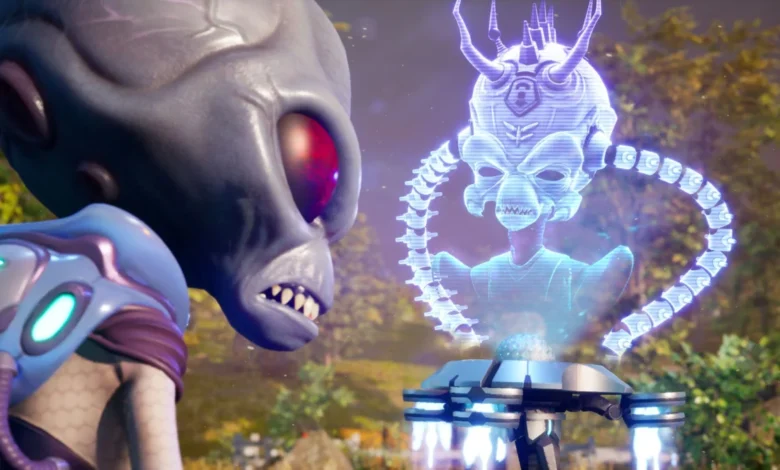
Black Forest Games, the German video game development studio widely recognized for breathing new life into the cult-classic Destroy All Humans! franchise, has officially separated from its former corporate parents, THQ Nordic and the Embracer Group. The studio achieved its newfound autonomy via a management buyout, severing ties with the parent conglomerate that has spent the past several years undergoing extensive restructuring, asset sell-offs, and consolidation.
Rather than stepping into an uncertain future as a standalone entity, Black Forest Games wasted no time in establishing a broader foundation for independent developers. Alongside the buyout, the studio announced the co-founding of Third Signal, a newly minted collective designed to serve as an independent group of development studios. Third Signal’s primary stated objective is to pool resources, provide operational support, and secure funding for independent development teams, allowing them to retain creative freedom without falling under the umbrella of massive holding companies.
The separation marks a significant milestone for both Black Forest Games and the broader games industry, reflecting a growing industry trend of mid-sized studios reclaiming autonomy amidst widespread corporate turbulence.
Chronology and Background: The Embracer Era
The journey of Black Forest Games to independence is deeply intertwined with the meteoric rise and subsequent financial correction of its former parent organization, the Embracer Group. Founded originally as Spellbound Entertainment in 1994, the studio rebranded as Black Forest Games in 2012 following insolvency, eventually being acquired by THQ Nordic—then known as Nordic Games—in August 2017.
At the time, Black Forest was one of Embracer Group’s earliest high-profile studio acquisitions. Over the subsequent half-decade, Embracer embarked on an aggressive, highly publicized buying spree. The Swedish conglomerate acquired premier intellectual properties and massive development houses, including Tomb Raider developer Crystal Dynamics, Deus Ex studio Eidos-Montréal, The Lord of the Rings rights via Middle-earth Enterprises, and Kingdom Come: Deliverance developer Warhorse Studios.
However, this rapid expansion proved financially unsustainable. In mid-2023, a reported $2 billion strategic partnership collapsed at the eleventh hour, forcing Embracer Group into a drastic, multi-year restructuring program. The fallout included widespread studio closures, mass layoffs, and the divestment of major assets. Among the most notable casualties of this restructuring was the sale of Borderlands developer Gearbox Entertainment to Take-Two Interactive for $460 million in early 2024.
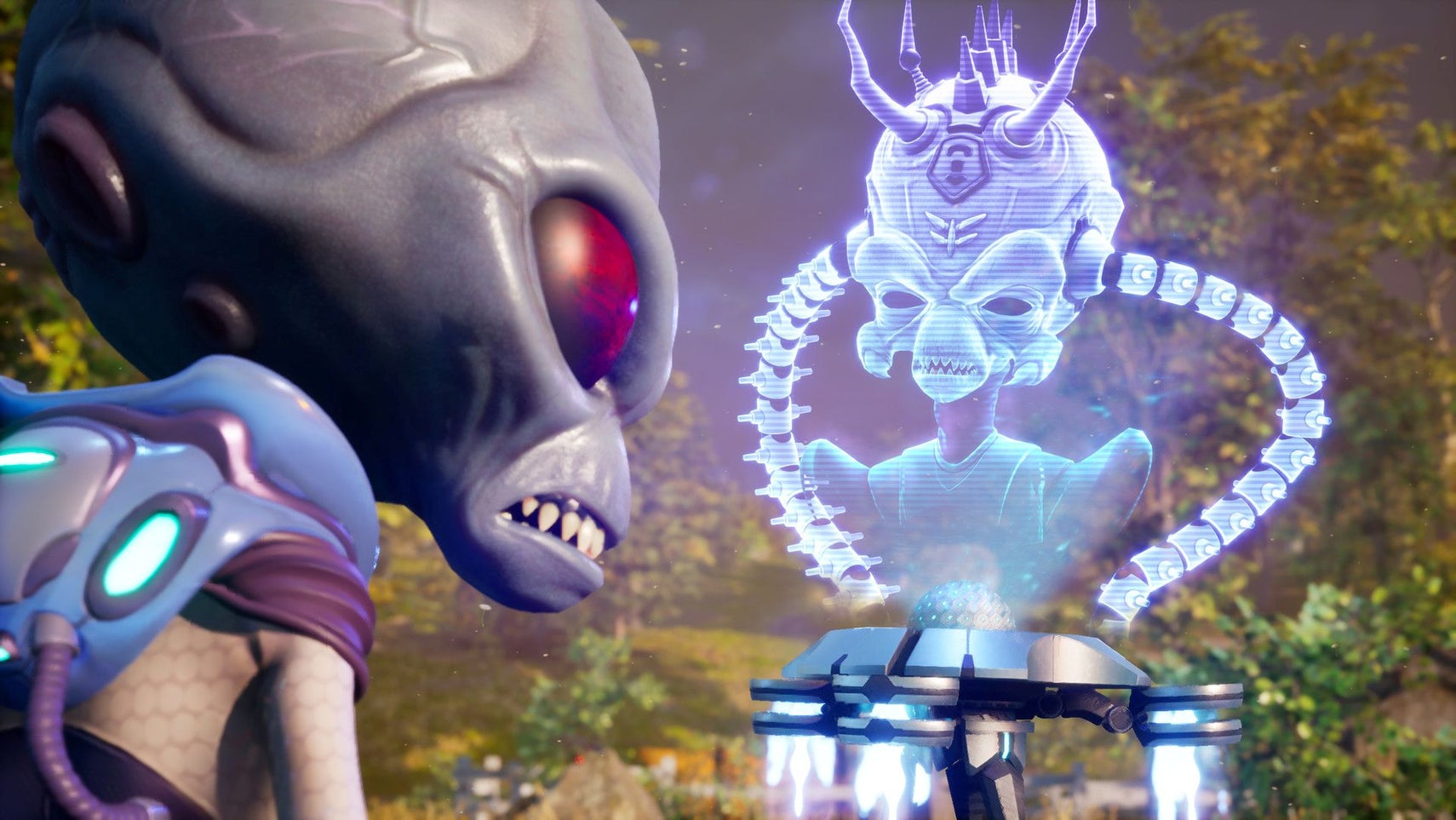
Against this backdrop of corporate instability, Black Forest Games continued operating, most notably delivering the well-received remakes Destroy All Humans! (2020) and Destroy All Humans! 2: Reprobed (2022). Despite the commercial and critical success of reviving the iconic alien invasion franchise featuring the perpetually cynical protagonist Crypto, the studio remained tethered to Embracer’s shifting corporate priorities until the recent management buyout finalized the separation.
The Launch of Third Signal and Developer-Driven Visions
With the management buyout finalized, Black Forest Games has stepped into a leadership role within the newly established Third Signal collective. Andreas Tobler has been installed as the Chief Executive Officer of Third Signal, steering the organization toward a model that prioritizes studio autonomy over conglomerate-driven output quotas.
In an official statement accompanying the launch, Tobler emphasized the shifting economic realities of game development, contrasting bloated corporate teams with the efficiency of leaner, more agile studios.

"Some of the best games of the last decade came from teams of 50, not 500," Tobler stated. "Black Forest Games is one of them, and the right studio to launch Third Signal. Our vision is to build a developer-driven group and give teams the independence, resources, and creative freedom to continue their creative legacy and bring their own ideas to life."
The Third Signal initiative aims to combat a systemic issue in modern game development: the vulnerability of mid-sized studios operating under massive parent companies. When conglomerates face market corrections or missed financial projections, studios of Black Forest’s scale are frequently subjected to sudden downsizing or cancellation of unannounced projects. By pooling resources under Third Signal, participating studios hope to insulate themselves from the whims of volatile stock markets and distant corporate executives.
Future of the Destroy All Humans! Franchise and Industry Implications
While Black Forest Games has successfully emancipated itself from the Embracer Group ecosystem, questions remain regarding the future of its most famous portfolio additions. The studio did not acquire full ownership of the Destroy All Humans! intellectual property rights, which remain tied to THQ Nordic. However, leadership has confirmed that working relationships between Black Forest Games and THQ Nordic remain amicable, leaving the door open for potential future collaborations involving the franchise.
The original Destroy All Humans! series enjoyed a beloved run in the mid-2000s under Pandemic Studios, though subsequent releases—such as Destroy All Humans! Big Willy Unleashed and Destroy All Humans! Path of the Furon—saw a dramatic decline in critical reception and commercial viability, ultimately driving the franchise into dormancy for over a decade. Black Forest’s 2020 remake successfully revitalized interest in the property, proving that modern audiences still possessed an appetite for the series’ unique brand of anarchic, tongue-in-cheek science fiction satire. Whether THQ Nordic will commission further entries or remakes of the later, less-celebrated sequels remains to be seen.
From a broader industry perspective, the management buyout of Black Forest Games and the creation of Third Signal signal a wider disillusionment with traditional publisher-developer models. Over the past three years, the video game industry has experienced historic levels of contraction, with tens of thousands of layoffs offsetting the hyper-expansion era of the pandemic.

As major publishers become increasingly risk-averse—relying heavily on live-service models, sequels, and established multi-million-dollar franchises—independent studios are finding it increasingly necessary to chart their own courses. Buyouts like the one executed by Black Forest Games represent a vital mechanism for creative preservation, allowing veteran developers to retain their talent, intellectual property connections, and operational independence without dissolving entirely.
As Third Signal begins onboarding or collaborating with additional independent teams, industry analysts will be watching closely to see whether this collective model can successfully scale and provide a viable blueprint for mid-tier studios navigating an increasingly hostile economic landscape. For Black Forest Games, the immediate future is defined by freedom—giving the studio the autonomy to decide whether Crypto will fly his saucer once more, or whether the team will chart an entirely new trajectory under their own banner.