Mass Effect Cast Rallies Behind #SaveMassEffect Campaign Following BioWare Closure and Franchise Cancellation

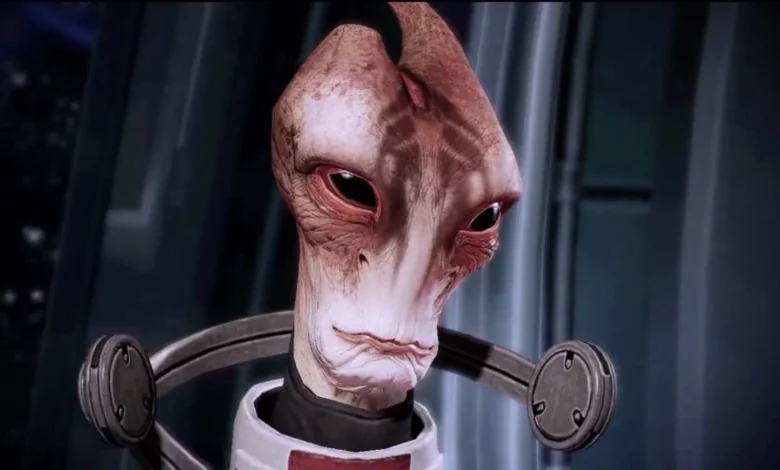
The annual celebration of N7 Day took on a profoundly different tone this year, marked by absence rather than jubilation. For the first time in the history of the acclaimed science-fiction franchise, developer BioWare was not present to officially host or participate in the festivities. Following the studio’s shock closure and the subsequent cancellation of the much-anticipated Mass Effect Universe project, the future of the beloved role-playing game series appeared dim. However, the void left by the corporate shutdown was quickly filled by one of the most passionate and organized fan communities in modern gaming history. Rallying under the banner of the grassroots initiative "We Are Mass Effect," fans utilized N7 Day 2026 to launch a massive, multi-faceted campaign demanding the revival of the franchise, securing the high-profile backing of the original trilogy’s iconic voice cast and creative talent.
The Escalation of the #SaveMassEffect Movement
The campaign to rescue the intellectual property has escalated dramatically in the weeks following BioWare’s closure. Spearheaded by the community-organized group We Are Mass Effect, supporters have gone to extraordinary lengths to ensure that corporate decision-makers and the broader gaming industry take notice of the franchise’s enduring value.
Early efforts saw the group purchase prominent digital billboard space in New York City’s Times Square, projecting striking imagery from the series to millions of daily commuters and tourists. This high-visibility display was soon followed by a mobile billboard deployed directly outside BioWare Edmonton’s former corporate headquarters—a poignant reminder to former executives and the public of the physical legacy left behind. Alongside these physical demonstrations, the group directed public attention toward an online Change.org petition, which rapidly accumulated hundreds of thousands of signatures from dedicated fans worldwide.
The culmination of these efforts arrived on November 7, a date immortalized by the gaming community as N7 Day. In a coordinated display of solidarity, a sizable portion of the original Mass Effect trilogy’s principal cast and crew united to release a powerful two-minute video message.
Voice Cast and Creators Lend Their Weight to the Cause
The rallying cry featured heavy-hitters from across the franchise’s history. Both halves of Commander Shepard—Jennifer Hale and Mark Meer—appeared alongside original trilogy composer Sam Hulick, Brandon Keener (Garrus Vakarian), Courtnay Taylor (Jack), Ash Sroka (Tali’Zorah), and Keythe Farley (Thane Krios), among others. Delivering their lines with the gravity and emotional resonance that defined the series, several actors spoke directly in character to urge fans and industry stakeholders to support the #SaveMassEffect movement.
The involvement of the cast extends beyond a mere promotional stunt; it reflects a deep, personal connection to the universe they helped build over nearly two decades. In a subsequent interview with media outlets, Jennifer Hale confessed that the initial news of BioWare’s formal closure evoked a surprisingly complex emotional response.
"When we heard about the formal closing of BioWare, I felt weirdly hopeful," Hale stated. "I can’t explain it. I just got so weirdly hopeful. My first thought, of course, was for the devs and all the people. And then I just closed my eyes and crossed my fingers and I said, ‘I feel something’s possible. You know, something’s really possible.’"
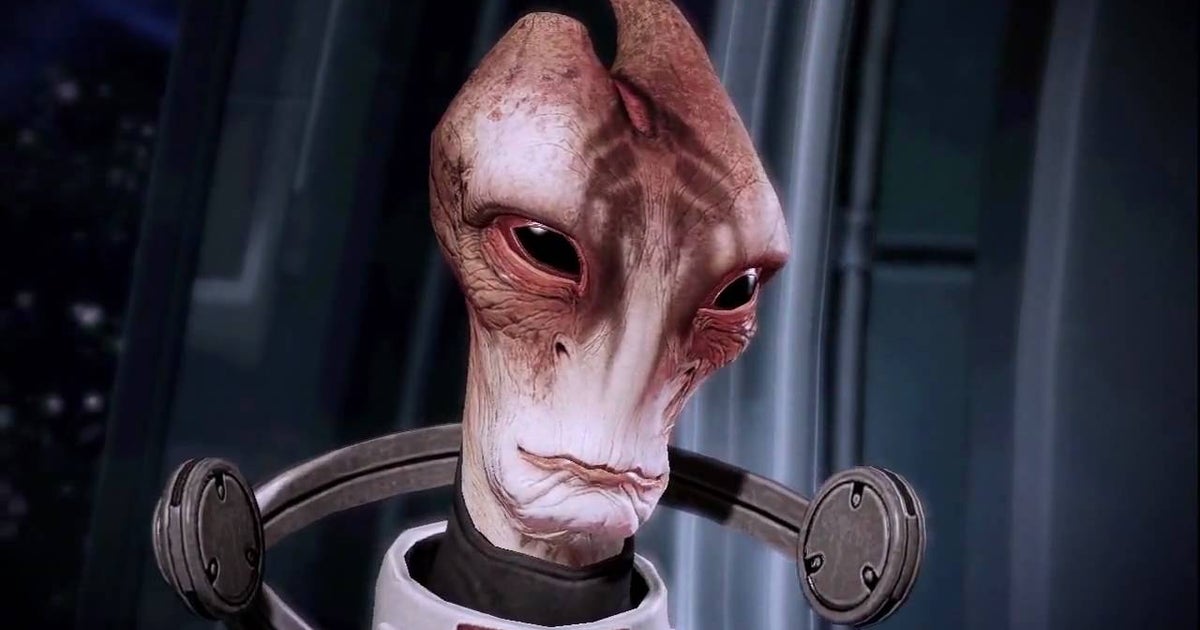
Mark Meer echoed these sentiments, providing critical context regarding the systemic issues that preceded the studio’s ultimate demise. According to Meer, the sudden closure was not an isolated incident, but rather the culmination of a protracted corporate decline.
"This didn’t all just happen in the last 10 days," Meer noted, pointing to a prolonged period of instability under parent company Electronic Arts (EA). Near-yearly layoffs had steadily eroded BioWare’s workforce, systematically dismantling internal teams and forcing the studio to downsize its operations significantly while attempting to pivot toward a more agile, centralized focus on core projects like the now-cancelled Mass Effect 5.
Meer emphasized the human cost of these restructuring efforts, highlighting the departure of foundational talent. "A lot of senior writers within the last year or two were let go. People who had been there from the very beginning. Again, people who had built that company from the ground up, who built the bones of it, who made those games that had captured people so much right back from the 1990s," he explained.
Chronology of a Corporate Collapse
To understand the current fervor surrounding the #SaveMassEffect campaign, it is necessary to examine the timeline of events that led to the disintegration of one of role-playing gaming’s most storied developers.
- 1995–2007: BioWare establishes itself as a premier RPG developer, culminating in the release of the original Mass Effect in 2007 under Microsoft Game Studios, before being acquired by Electronic Arts in 2007.
- 2010–2012: The release of Mass Effect 2 and Mass Effect 3 solidifies the trilogy as a monumental cultural touchstone in modern entertainment, though Mass Effect 3‘s original ending sparks intense fan debate.
- 2017: The release of Mass Effect: Andromeda receives a mixed critical and commercial reception, leading to the indefinite hiatus of the franchise’s active development pipeline.
- 2020–2023: EA implements progressive rounds of layoffs and corporate restructuring across its studios. BioWare suffers significant talent drain, including the departure of veteran writers and directors who shaped the studio’s golden age.
- Late 2023–2025: Amid shifting corporate priorities at EA, BioWare is downsized further. Reports surface regarding the troubled development cycle of the next mainline installment, tentatively known as Mass Effect 5.
- October 2026: Electronic Arts officially announces the shock closure of BioWare and the complete cancellation of the Mass Effect Universe project, leaving hundreds of developers unemployed and the franchise in limbo.
- November 7, 2026 (N7 Day): The gaming community mobilizes the #SaveMassEffect campaign. Backed by Times Square billboards, mobile protests, and a viral video featuring the original voice cast, fans push for the intellectual property to be sold, licensed, or otherwise rescued from corporate abandonment.
Industry Implications and the Future of the Franchise
The closure of BioWare and the halting of Mass Effect represents a watershed moment for the video game industry, highlighting the precarious nature of AAA development under massive publishing conglomerates. For years, the industry has witnessed a troubling trend of corporate consolidation, where legacy studios with decades of goodwill are subjected to aggressive downsizing or outright closure in the face of shifting market dynamics and increasingly rigid quarterly financial expectations.
The intervention of the voice cast and the unprecedented mobilization of the fan base introduce a unique variable into the equation. Historically, intellectual properties belonging to multi-billion-dollar publishers like Electronic Arts remain dormant unless a clear, immediate path to profitability is identified. However, the sheer volume of visibility generated by the We Are Mass Effect group—combined with the active endorsement of recognizable talent—has elevated the situation from a standard studio closure to a high-profile public relations challenge for EA management.
Whether publisher leadership will respond to the demands of the petition, consider licensing the intellectual property to independent development studios, or allow the franchise to remain permanently shelved remains to be seen. What is undeniable, however, is that the legacy forged by BioWare’s creators and brought to life by actors like Hale and Meer continues to command fierce loyalty. As the #SaveMassEffect campaign presses forward into the winter months, the future of Commander Shepard’s universe rests not in the hands of the corporate entity that created it, but in the relentless dedication of the audience that refuses to let it fade into the blackness of space.