City of Six Moons takes board game rulebooks to a cryptic new level by requiring players to translate an alien language

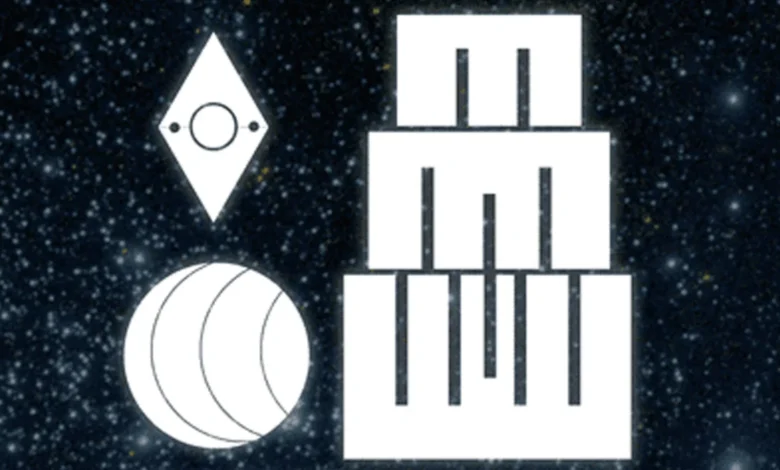
The upcoming solo board game City of Six Moons is poised to challenge the traditional conventions of tabletop gaming by presenting its entire rulebook in a constructed alien language. Designed by Amabel Holland and published by Hollandspiele, the project represents a significant departure from standard instructional design, shifting the primary objective from mere gameplay to an act of linguistic and cultural decryption. By forcing players to translate the rules themselves, the game introduces a layer of ambiguity that the designer intends to be a permanent, unavoidable element of the player experience.
The Design Philosophy Behind the Cipher
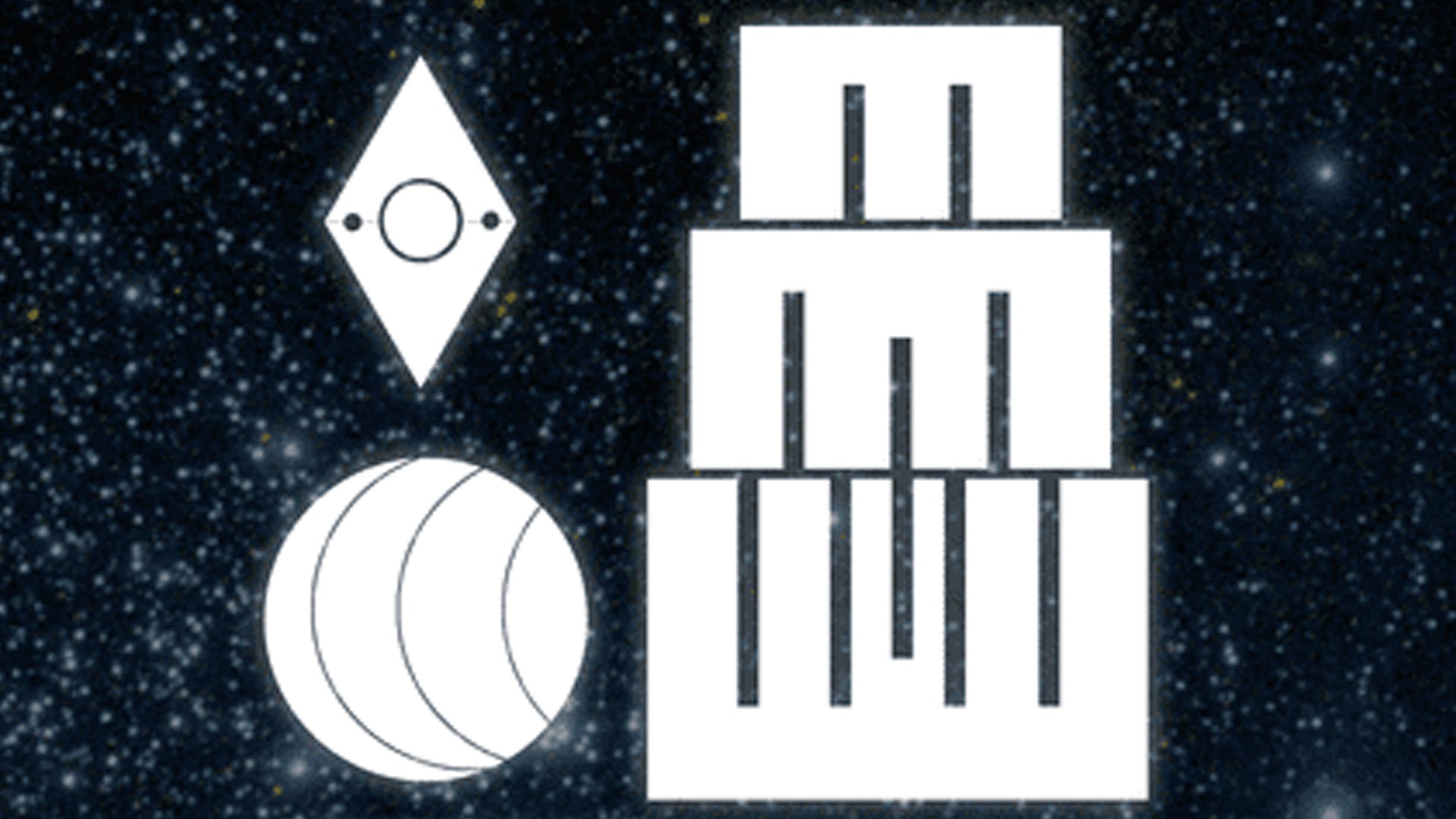
The core concept of City of Six Moons is rooted in the idea of "authentic" alien artifacts. Rather than providing a localized, human-friendly translation of a fictional game, Amabel Holland has treated the physical product as if it were a genuine discovery from a non-human civilization. The rulebook is composed entirely of icons, glyphs, and abstract symbols.
According to the developer, the objective is to force players to reconcile their own cultural assumptions with the vastly different logic of the fictional civilization depicted in the game. This design choice functions as a meta-game: before a player can engage with the mechanics of guiding an alien society, they must first understand the grammar of the society’s communication. This creates a barrier to entry that is intentionally high, testing the player’s patience and cognitive flexibility.
Holland has been explicit about the lack of support for players during this process. In a move that subverts the modern expectation of constant designer-to-consumer interaction, she has stated that she will not provide clarifications or answers to rules-related questions. This decision effectively turns the game into a black-box system where the player must trust their own interpretation of the iconography. Whether the player has correctly deduced the intended rules or created a "house-ruled" version based on a misinterpretation remains a mystery that the designer refuses to solve.
A Chronology of the Project’s Development
The project has moved from conceptualization to imminent release over the course of the last year. Hollandspiele, which is co-owned by Amabel and Mary Holland, first teased the project through social media channels and updates on the company’s website.
- Early 2024: Initial development updates indicated that Holland was working on a solo-only experience focused on the simulation of an alien civilization.
- Mid-2024: The announcement of the unconventional rulebook format began to circulate within the hobbyist community, drawing comparisons to "arg" (alternate reality game) structures.
- October 2024: Holland officially confirmed the linguistic nature of the rulebook via platform updates, solidifying the game’s reputation as a highly experimental title.
- November 2024: With the release scheduled for the following month, the board game community began to analyze the limited promotional art for potential keys to the cipher.
- December 2024 (Expected): The title is scheduled for a wide release through the Hollandspiele catalog, marking a landmark moment for avant-garde tabletop design.
Contextualizing Linguistic Challenges in Tabletop Gaming
While the use of complex iconography is not new to the tabletop industry—games like 7 Wonders or Race for the Galaxy rely heavily on symbolic language to transcend international borders—City of Six Moons is unique in that the symbols do not represent a standardized, pre-defined set of actions. Instead, they represent a foreign syntax that the player must reverse-engineer.
This approach sits on the periphery of the "hard" simulationist genre, where the goal is to immerse the player as deeply as possible in a specific narrative setting. By withholding the "key" to the language, the game creates a high-stakes, high-reward environment. Data from solo gaming communities suggests a growing appetite for titles that offer unique, non-repetitive challenges. According to industry analysis, the solo gaming sector saw a 15% year-over-year increase in interest between 2022 and 2024, largely driven by games that offer high levels of replayability and complex thematic depth.
The Impact of Irreversible Knowledge
One of the most profound implications of City of Six Moons is the "loss of innocence" regarding the rules. Holland has acknowledged that once a player successfully deciphers the code, the game changes. The sense of discovery, which acts as the initial hook, is replaced by the mechanical reality of the game itself.
In a recent statement, Holland noted that this loss is intentional. By creating a game that is a puzzle of communication, the first playthrough becomes the most significant. The lingering feeling of "what if I got it wrong?" is, according to the designer, a deliberate component of the emotional journey. This mirrors trends in "legacy" style games, where physical components are altered or destroyed, but here, the change is psychological rather than physical. The player’s own mental model of the game is permanently altered by their successful—or unsuccessful—decoding.
Industry Implications and Market Reception
The decision to eschew traditional instructional design poses a risk for Hollandspiele, but it also establishes the label as a vanguard for experimental tabletop design. From a market perspective, this game is unlikely to appeal to the casual mass-market consumer. Instead, it targets the "ludonarrative" enthusiast—a segment of the gaming population that prioritizes the experience of the medium over ease of access.
Critics and hobbyist analysts have observed that this model represents a "high-friction" experience. In a digital age where tutorials and "how-to-play" videos are standard, removing all external support mechanisms is a bold stance against the democratization of play. It shifts the burden of labor entirely onto the consumer, effectively making the player a co-creator of the game’s mechanics.
Furthermore, the game’s reliance on a proprietary, undeciphered code could complicate its longevity. If the community fails to build a consensus on the rules, the game could fall into obscurity as a failed experiment. Conversely, if a "Rosetta Stone" is developed by the collective efforts of the player base, it could cement City of Six Moons as a cult classic, celebrated for its audacity and depth.
Future Outlook for Hollandspiele
As the release date approaches, anticipation is building. The game serves as a litmus test for how far the board game industry can push the boundaries of user experience. If successful, it may open the door for more narrative-driven, language-agnostic games that prioritize the player’s intellectual agency over simple accessibility.
The success of the title will ultimately depend on the balance between the "fun" of the puzzle and the potential frustration of the ambiguity. For now, the community remains in a state of cautious curiosity, preparing to engage with a rulebook that, for all intents and purposes, refuses to be read. As the boxes ship, the real game begins not at the table, but with the first glance at the alien script—a test of logic, patience, and the willingness to accept that, in the world of the Six Moons, there may be no single correct way to play.