Development and Production Context
The announcement of the animated project originated from Lionsgate Vice Chairman Michael Burns during a presentation at the Morgan Stanley media conference. Burns indicated that the studio intends to capitalize on the enduring popularity of the franchise, stating that there is considerable interest in exploring the IP through a new medium. This decision to pivot toward animation serves a dual purpose: it distinguishes the new series from the iconic 2008–2012 live-action film cycle and provides creative latitude to visualize the supernatural elements of the Cullen family’s world with greater fidelity to the source material.
Industry analysts suggest that the decision to pursue an animated format—envisioned as such from the project’s inception—allows for a more intricate portrayal of the vampire mythos. The visual requirements of the series, which involve heightened physical feats, distinct atmospheric settings in the Pacific Northwest, and the complex, otherworldly appearance of the characters, are often more effectively rendered through high-end animation than through live-action visual effects, which can be prohibitively expensive and prone to the "uncanny valley" effect.
Midnight Sun: A Shift in Perspective
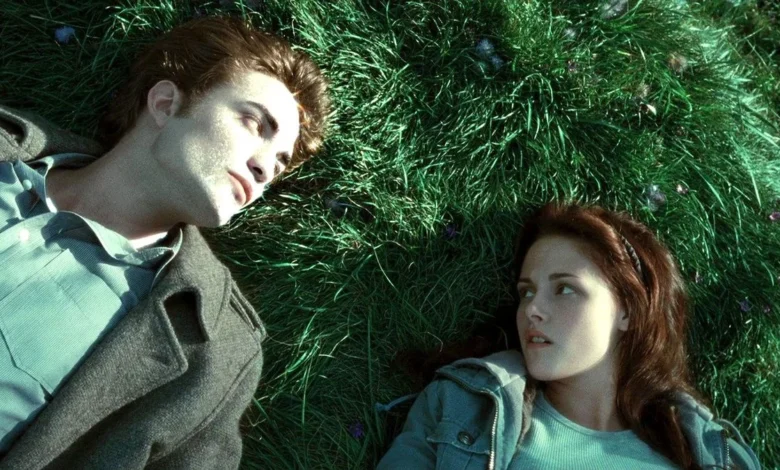
The core of the upcoming series is Midnight Sun, a novel that retells the events of the original Twilight book from the perspective of Edward Cullen. The shift in point of view offers a starkly different narrative experience than the original series, which was primarily told through the eyes of Bella Swan. In Midnight Sun, the audience gains insight into the internal conflict of a century-old vampire navigating the complexities of human morality and predatory instinct.
Reports indicate that the project is currently slated for a two-season run. This structure suggests a methodical pacing of the source material. While the original Twilight book is a standalone narrative, the decision to stretch the adaptation over two seasons provides the creative team with the space to delve deeper into the lore of the Cullen family, the history of the Olympic Coven, and the subtle, often overlooked nuances of the interactions between the main characters. Whether the series will expand beyond the events of the first novel into the subsequent entries of the saga remains a subject of speculation, though the two-season commitment indicates a clear, focused scope for this initial endeavor.
Chronology of the Twilight Franchise
The Twilight saga remains one of the most successful multimedia franchises in modern history. The timeline of its cultural impact is extensive:
- 2005: Stephenie Meyer publishes the first novel, Twilight, which becomes a global phenomenon.
- 2008: The first film adaptation, directed by Catherine Hardwicke and starring Kristen Stewart and Robert Pattinson, is released, grossing over $400 million worldwide.
- 2009–2012: The film franchise continues with New Moon, Eclipse, and the two-part finale, Breaking Dawn, culminating in a total worldwide box office gross of approximately $3.3 billion across five films.
- 2020: After a decade of anticipation, Stephenie Meyer releases Midnight Sun, which sold over one million copies in its first week of release, signaling that the franchise’s audience remains active and engaged.
- 2023: Lionsgate officially confirms that a television series is in the early stages of development.
- 2024: Industry confirmation clarifies the project as an animated series destined for the Netflix platform.
Industry Implications and Market Strategy
The move by Lionsgate Television to partner with Netflix represents a broader trend in the entertainment industry: the "legacy reboot." By leveraging established intellectual property (IP) with built-in fanbases, studios mitigate the risk of launching original concepts in an increasingly saturated streaming market.

From a business perspective, the strategy is sound. The Twilight demographic, which reached its peak in the late 2000s, has now transitioned into a stable, adult consumer base with significant purchasing power. Furthermore, the "book-to-screen" pipeline has seen renewed success, with franchises like The Hunger Games and Harry Potter (currently being rebooted for television) demonstrating that audiences are willing to revisit familiar stories when presented through a new creative lens.
There is also the question of creative control. While official confirmation regarding the full production team is pending, sources close to the production have suggested that author Stephenie Meyer may be involved in a consultative or production capacity. Her involvement is generally viewed as a positive signal by the fanbase, as it ensures a level of narrative consistency with the established canon.
Challenges in Adaptation
Transitioning from a live-action film series that is inextricably linked to the faces of its original cast—Kristen Stewart, Robert Pattinson, and Taylor Lautner—presents a unique challenge. The new animated series must establish its own visual identity. Animation provides a "clean slate" that allows the studio to avoid direct comparisons to the original actors, though it simultaneously risks alienating viewers who associate the characters specifically with those performances.
The success of the project will likely depend on the visual style chosen. The market has seen a surge in "prestige" adult animation, such as Netflix’s own Arcane or Castlevania, which have garnered critical acclaim for their mature storytelling and high production values. If the Twilight series adopts a similarly serious, high-fidelity aesthetic, it could effectively broaden the demographic of the franchise, moving it beyond the "young adult" label and into the realm of general-audience fantasy drama.
Looking Ahead
While specific release dates and voice casting information have not yet been disclosed, the industry remains focused on the upcoming development cycle. The collaboration between Lionsgate and Netflix is indicative of a high-budget approach, suggesting that the studio is not treating this as a secondary project, but as a flagship series intended to anchor their streaming offerings.
As the production moves from the development phase to pre-production, the primary point of interest for the public will be the visual direction. The story of Edward and Bella is a foundational text in modern supernatural romance; by shifting the perspective to Edward and utilizing an animated medium, the producers are attempting to breathe new life into a well-worn narrative. If the series can successfully translate the psychological depth of Midnight Sun while maintaining the atmospheric tension of the original novels, it has the potential to revitalize the brand for a new generation of viewers while satisfying the long-standing demands of the existing community.
For now, fans and industry observers alike are waiting for further details regarding the animation studio attached to the project and the eventual showrunner. As the streaming wars continue to evolve, the ability to secure and effectively adapt major literary franchises remains the ultimate goal for platforms like Netflix. Whether this animated iteration of Twilight will achieve the same cultural dominance as its cinematic predecessor remains to be seen, but the sheer scale of the investment suggests that the franchise is far from finished. The return to the rainy, high-stakes environment of Forks, Washington, is imminent, and with it, the potential to redefine what a "Twilight" story can be in the modern media landscape.