AMD pivots to data center dominance as CEO Lisa Su warns of double-digit decline in 2027 PC sales

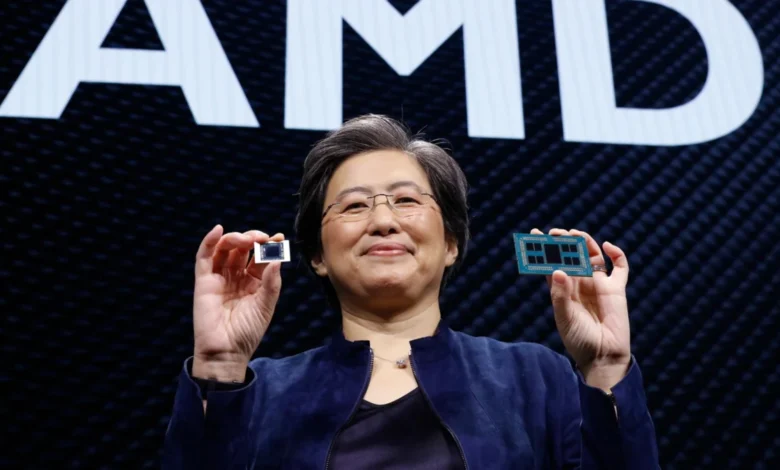
The semiconductor landscape is undergoing a profound structural transformation, underscored by a pivotal shift in strategy from one of the industry’s primary architects. During a recent address to investors and a subsequent interview with Yahoo Finance on Thursday, November 5, Advanced Micro Devices (AMD) CEO Dr. Lisa Su explicitly redefined the company’s corporate identity, signaling a departure from its traditional stronghold in the consumer PC market toward a data center-first business model. This strategic realignment, while reflective of the broader industry’s "AI-first" ethos, comes paired with a sobering forecast: a projected double-digit percentage decline in PC sales for 2027.
The Strategic Pivot: From Consumer Hardware to Enterprise Infrastructure
Dr. Su’s commentary during the company’s Q3 2026 earnings call painted a clear picture of a company aggressively chasing the massive capital expenditures currently flowing into artificial intelligence infrastructure. For decades, AMD was primarily viewed through the lens of its Ryzen desktop processors and Radeon graphics cards—components that powered millions of personal computers and gaming rigs. However, the modern AMD is prioritizing the hyperscale data center market, where demand for AI-accelerator chips and high-performance server CPUs remains relentless.
"We’re a tech company that has a lot of resources and the ability to expand our supply and help our customers," Dr. Su stated during the earnings call. "That’s what’s led to our growth. Being able to say that my data center business is going to grow 50% sequentially from Q3 to Q4 is a testament to how important computing is in the industry today."

This transition is not merely rhetorical. AMD is preparing to more than double its data center revenue moving into the next fiscal year. By prioritizing the enterprise sector, AMD is positioning itself to capture the massive budgets allocated by tech giants like Microsoft, Meta, and Google, all of whom are engaged in an "arms race" to build the most capable Large Language Model (LLM) infrastructures.
A Chronology of the AI Infrastructure Surge
To understand the weight of Dr. Su’s announcement, it is necessary to look at the timeline of the current AI boom:
- 2022–2023 (The Catalyst): The release of generative AI tools like ChatGPT catalyzed a global surge in demand for high-end GPUs. NVIDIA initially dominated this space, but AMD began aggressively scaling its Instinct accelerator line to offer a competitive alternative.
- 2024 (The Buildout Phase): Cloud providers and enterprise clients began massive capital expenditure cycles, shifting budgets away from general-purpose IT to specialized AI hardware.
- 2025 (The Supply Chain Bottleneck): As demand outpaced production capacity, prices for specialized high-bandwidth memory (HBM) and advanced packaging surged, leading to what some industry analysts dubbed the "RAMpocalypse," where hardware costs for consumers rose significantly.
- 2026 (The Strategic Realignment): With the market for AI hardware reaching maturity, AMD officially declares itself a "data center-first" entity, signaling that consumer product development may no longer be the primary driver of its long-term roadmap.
The Forecast: A Cooling Consumer PC Market
Perhaps the most jarring aspect of the recent reports is the outlook for the PC sector. While the industry saw a period of explosive growth during the remote-work era of the pandemic, followed by a necessary correction, the outlook for 2027 suggests a deeper, more structural decline.
AMD’s projection of a "double-digit" slump in PC sales suggests that the consumer market has reached a point of saturation. Several factors contribute to this forecasted decline:
- Extended Upgrade Cycles: Modern CPUs and GPUs have reached a plateau in performance gains relative to their high price tags, leading consumers to hold onto their existing hardware for longer periods—often four to six years instead of the traditional three.
- Increased Cost of Ownership: The diversion of manufacturing resources, specifically advanced node capacity (TSMC’s 3nm and 5nm processes) and HBM supply, toward AI chips has inflated the base cost of consumer graphics cards and CPUs.
- Lack of "Killer Apps": Beyond AI-enhanced productivity tools, there has been a lack of consumer-facing software innovations that strictly require the latest-generation hardware, reducing the incentive for average users to upgrade their machines.
Market Volatility and the "Short-Sighted" Critique
In response to the recent turbulence in tech stock valuations following the U.S. election cycles and broader macroeconomic shifts, Dr. Su maintained a stoic, long-term perspective. When asked about the volatility, she dismissed market jitters as "short-sighted."
"If you believe—which I do, deeply—that computing in many ways equates to intelligence, then investing ahead of the curve is the right thing to do," Su remarked. Her philosophy rests on the belief that the integration of "super intelligence" into business operations is an inevitability, not a trend. Consequently, she argues that AMD must continue its heavy R&D spending now, even if it creates short-term margin pressure, to secure a dominant position in the "horizon" economy.
However, market analysts remain divided. While Wall Street has largely rewarded companies that show high AI revenue growth, there is growing concern regarding the "Return on Invested Capital" (ROIC) for the massive data center buildouts occurring across the industry. Critics argue that if the software layer—the actual AI applications—fails to produce tangible revenue for enterprise customers, the current hardware spending spree could result in a significant "hangover" effect for the semiconductor sector.
Implications for the Tech Ecosystem
The shift of a foundational company like AMD toward an enterprise-centric model has profound implications for the broader technology ecosystem:

- For the Gaming Industry: PC gamers are likely to face continued upward price pressure on components. As manufacturing capacity is prioritized for data center chips—which command significantly higher profit margins—the supply for consumer-grade silicon may be constrained by design.
- For Tech Investors: The market is effectively splitting into two tiers: those who provide the "picks and shovels" (semiconductor manufacturers) and those who build the infrastructure. Investors must now weigh whether the long-term growth of AI justifies the inherent risk of the capital-intensive semiconductor business model.
- For Global Infrastructure: The move toward "intelligence-everywhere" requires a massive upgrade to global power grids and cooling infrastructure. AMD’s commitment to this future suggests that the company expects the physical requirements of computing to remain the single most important constraint on global economic development for the next decade.
Conclusion
Dr. Lisa Su’s vision for AMD is clear: the company is transforming from a player in the consumer PC hardware space into a critical engine for global enterprise intelligence. By embracing a data center-first strategy, AMD is aligning itself with the most powerful growth trend in modern technology. However, this transition brings with it the collateral damage of a softening consumer market and the volatility associated with betting heavily on a still-maturing artificial intelligence sector. As the industry moves toward 2027, the success of this strategy will be measured not by the performance of the latest consumer processor, but by the ability of the company to sustain its explosive growth in the data center while navigating the inevitable corrections in global tech spending.