Western Legends Stories brings permanent town-building mechanics to the frontier as Kolossal Games announces a new campaign-based spin-off

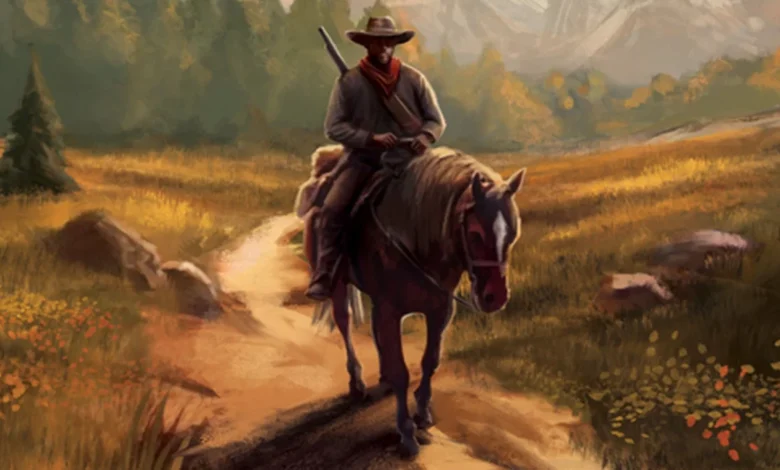
The landscape of tabletop gaming is bracing for a return to the American frontier as publisher Kolossal Games formally announces the development of Western Legends Stories. This standalone title serves as a narrative-driven evolution of the 2018 hit Western Legends, a game widely recognized for its open-world sandbox mechanics. While the original title emphasized competitive player agency in a non-linear format, the upcoming iteration introduces a structured, six-episode campaign designed to simulate the growth and evolution of a frontier settlement.
The Evolution of a Sandbox Classic
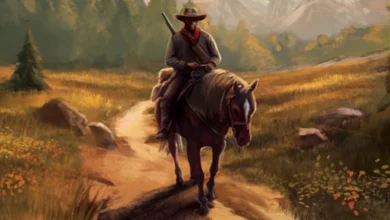
When designer Hervé Lemaître introduced Western Legends to the market in 2018, it quickly garnered critical acclaim for its ability to distill the vast, chaotic energy of the Wild West into a board game format. Players were granted the autonomy to pursue divergent paths: becoming legendary lawmen, notorious outlaws, industrious prospectors, or high-stakes poker players. By utilizing a unique poker-card-based resolution system, the game offered a tactile connection to the era’s most iconic pastimes, effectively acting as a tabletop equivalent to the popular Red Dead Redemption video game franchise.
Over the last six years, the Western Legends ecosystem has expanded significantly. Through various expansions, the game introduced historical figures such as Bass Reeves and Annie Oakley, while adding mechanical depth through train heists, property ownership, and merchant trade routes. However, the introduction of Western Legends Stories marks a pivot toward a more cohesive, legacy-style narrative structure.
A Chronology of Development
The journey from the original sandbox title to the upcoming campaign-based sequel follows a deliberate expansion strategy by Kolossal Games. The timeline of this progression is as follows:
- 2018: The original Western Legends launches, establishing the core mechanics of movement, combat, and reputation management.
- 2019–2022: A series of expansions—including "Ante Up" and "The Good, the Bad, and the Handsome"—broaden the map and increase the roster of playable characters, solidifying the game’s cult status in the hobbyist community.
- 2023: Early internal development begins on a narrative-focused iteration, moving away from the purely competitive loop toward a story-driven progression system.
- 2024 (Q2): Initial teasers and concept art reveal the shift toward the "Deadwood-style" town-building mechanic.
- 2024 (Q3): A formal crowdfunding campaign via Kickstarter is scheduled, which will serve as the primary vehicle for production funding.
- 2025: The anticipated release window for the full retail version of Western Legends Stories.
Gameplay Mechanics and Structural Shifts
Western Legends Stories departs from the single-session competitive nature of its predecessor by implementing a campaign that spans six distinct scenarios. Each session is designed to last between 90 minutes and three hours, suggesting a total campaign runtime of approximately 10 to 20 hours for a full play-through. This structural change aligns the game with the "legacy" genre, popularized by titles like Gloomhaven and Pandemic Legacy, where player choices have persistent consequences.
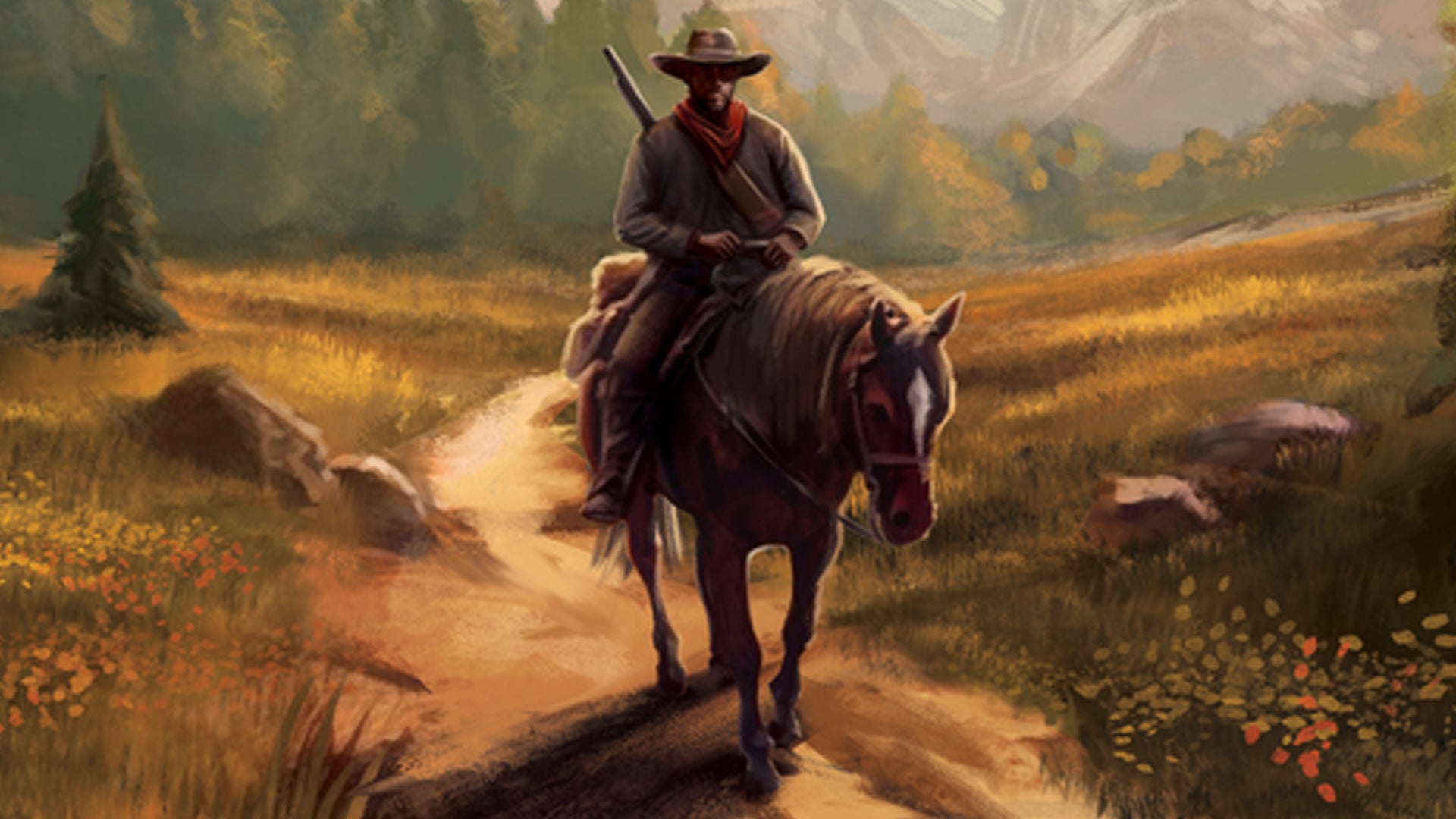
A central feature of this new entry is the metamorphosis of the settlement. The town begins as a humble trading post, and as players navigate the six episodes, their collective decisions will physically and mechanically alter the town’s infrastructure. The integration of "permanent changes" to both the settlement and the surrounding landscape—ranging from snowy mountain passes to arid plains—suggests a higher degree of environmental storytelling than previously seen in the series.
Furthermore, while staples of the franchise like the "wanted" system, duels, and resource extraction remain, Stories adds novel mechanics focused on hunting and construction. These additions are intended to provide a more immersive simulation of the difficulties associated with frontier survival, requiring players to balance their personal objectives with the shared growth of the township.
Market Implications and Industry Context
The decision to transition a successful sandbox game into a legacy-style campaign is a strategic move that reflects broader trends in the tabletop industry. Data from industry analysts suggests that campaign-based games currently command a significant portion of the board game market, as consumers increasingly prioritize long-term engagement and narrative cohesion.
By leveraging the existing IP of Western Legends, Kolossal Games is mitigating the risks associated with launching a new intellectual property while simultaneously catering to the demand for deeper, more complex gameplay. The inclusion of an NPC interaction system suggests that the developers are looking to bridge the gap between traditional board games and role-playing games (RPGs), a sector that has seen massive growth since 2020.
From a production standpoint, the move to a campaign format necessitates a higher degree of quality control regarding narrative branching. If the "permanent" nature of the changes is executed effectively, it could set a new benchmark for narrative legacy games in historical settings. However, the challenge lies in balancing the freedom of the original sandbox with the constraints of a written story.
Statements and Future Outlook
While Kolossal Games has not released a full transcript of their development roadmap, the studio has emphasized that player choice remains the bedrock of the experience. According to internal project briefings, the goal of Western Legends Stories is to empower players to influence the history of their frontier town, turning every participant into a co-author of the game’s narrative.

"We are building upon the foundation of the original game," noted sources close to the development team, "but the shift toward a persistent, evolving environment allows for a depth of engagement that short-form games simply cannot provide."
Industry experts are closely monitoring the upcoming Kickstarter campaign, as it will likely dictate the scope and scale of the final product. The project is expected to test whether the loyal fanbase of the original Western Legends is ready to trade the chaotic freedom of a sandbox for a more curated, legacy-driven experience. With a release slated for 2025, the game is positioned to become one of the most anticipated titles in the historical-strategy genre.
The Role of Narrative in Modern Tabletop Gaming
The shift toward narrative-heavy games is not merely a trend; it is a response to the changing demographic of board gamers. Players are increasingly seeking experiences that offer an "event" quality—sessions that feel significant and leave a lasting impression on the players’ social groups. The move toward a "Deadwood-style" progression system allows Western Legends Stories to capitalize on the inherent drama of the American frontier. By forcing players to make decisions that affect the town—and by extension, each other—the game transforms from a mere competition into a shared dramatic history.
As the industry prepares for the Q3 Kickstarter launch, the anticipation revolves around the depth of the branching paths. Will a decision made in the first episode be felt in the final hour of the sixth? If Kolossal Games can successfully implement a system where choices feel both weighty and meaningful, Western Legends Stories could prove that the "Old West" setting still holds vast potential for innovation in the modern gaming era.
Ultimately, the transition from the loose, free-roaming structure of the 2018 original to the tightly-woven narrative of the upcoming spin-off represents a significant maturation of the Western Legends brand. Whether it succeeds in capturing the same magic as the original while delivering on the promise of a persistent world remains to be seen, but the industry is watching with keen interest. As the release window approaches in 2025, players and critics alike will look to see if this new frontier in tabletop gaming can truly live up to its ambitious design goals.