Cyber Protocol: David Bianchi Revisits the World of RZR Bringing New Audiences to a Lost Digital Web Series

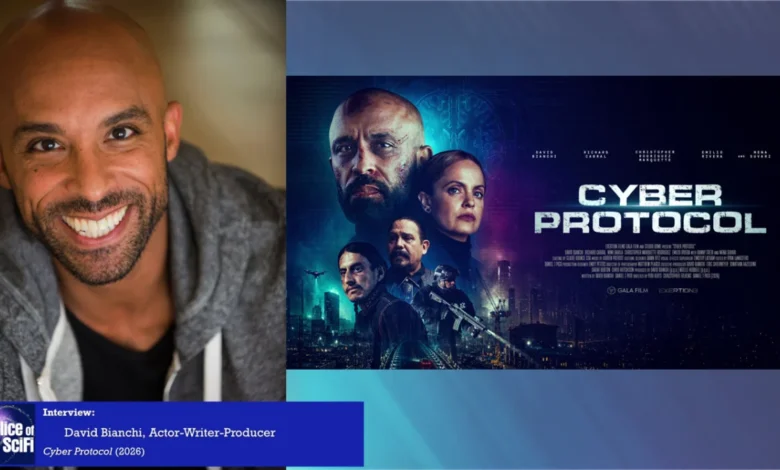
The landscape of digital distribution in the modern entertainment industry is fraught with volatility, frequently leaving critically acclaimed independent projects stranded when platforms fold or pivot away from legacy content. A prime example of this digital ephemera is RZR, a forward-thinking sci-fi web series that garnered major industry recognition, including a 2024 Primetime Emmy nomination for star Mena Suvari in the category of Outstanding Performer in a Short Form Comedy or Drama Series. Despite its critical success, the series vanished from public view following the sudden closure of its original streaming home, Gala Film. Determined to rescue the project from digital obscurity, actor, writer, and producer David Bianchi has reimagined and expanded the universe into a feature-length film titled Cyber Protocol. Set for release via Studio Dome starting November 10 on Prime Video, the film breathes new life into a lost narrative and offers an expansive look at a gritty, cybernetically enhanced underworld.
The Genesis and Demise of RZR
To understand the journey of Cyber Protocol, one must examine the precarious nature of platform-dependent digital media. RZR was originally conceived as an ambitious, high-concept web series exploring the dark frontiers of a near-future Los Angeles. Led by a multifaceted creative team, the project aimed to merge traditional noir storytelling with high-octane cyberpunk aesthetics, leaning heavily on practical-feeling environments and complex socio-political commentary.
The series successfully captured the attention of audiences and critics alike, culminating in a prestigious Primetime Emmy nomination for Mena Suvari in 2024. However, the rapidly shifting economics of Web3 and blockchain-backed streaming platforms proved unsustainable for Gala Film. When the platform abruptly went out of business, its entire library of original content—including RZR—was effectively locked away, rendering the series unavailable to the public. For creators like Bianchi, the loss of an accessible archive meant that years of meticulous world-building and collaborative effort risked disappearing into the digital ether. Rather than allowing the project to become a casualty of corporate restructuring, Bianchi pivoted toward adaptation, merging the narrative arcs of the original series into a cohesive, standalone feature film designed to re-establish the intellectual property in the mainstream market.
Building the Gridzone: Aesthetics and World-Building in Cyber Protocol
At the heart of Cyber Protocol is its meticulously crafted dystopian setting, often referred to as the Gridzone. Unlike sterile, neon-drenched depictions of the future seen in many contemporary science fiction projects, Bianchi and his creative collaborators focused on establishing a lived-in, tactile environment that feels authentic and weighed down by socioeconomic decay.
The narrative explores a Los Angeles transformed by unchecked technological advancement and corporate governance. Surveillance and counter-surveillance form the twin pillars of daily existence in the Gridzone, where citizens navigate a landscape dominated by invasive neural implants and decentralized digital currencies. These cryptographic economies serve as the financial lifeblood for transnational criminal organizations that effectively run large swaths of the world. Simultaneously, corrupt law enforcement agencies operate in tandem with these syndicates, utilizing systemic manipulation and authoritarian protocols to maintain a stranglehold on marginalized populations.
Bianchi’s approach to the world-building emphasizes practical textures—worn-out hardware, clandestine meeting spaces, and the psychological toll of living in a society where privacy has been entirely commodified. By translating the episodic beats of RZR into the runtime of a feature film, Cyber Protocol provides a deeper, more immersive exploration of this dystopian ecosystem, allowing viewers to appreciate the intricate socio-political mechanics driving the plot.
Distribution Strategy and the Path to Prime Video
The transition from a serialized web format to a feature-length film required a strategic distribution framework. Partnering with Studio Dome, the creative team secured a release strategy aimed at maximizing accessibility across major digital platforms, beginning with a rollout on Prime Video on November 10.
In the contemporary media ecosystem, independent science fiction films face significant hurdles in cutting through the noise of major studio blockbusters. By leveraging the existing critical acclaim of RZR—specifically highlighting Mena Suvari’s Emmy-recognized performance—Cyber Protocol positions itself uniquely in the marketplace. It bridges the gap between independent digital creation and traditional streaming distribution, offering a blueprint for how creators can salvage and elevate intellectual property stranded by defunct streaming services.
Industry Implications: The Vulnerability of Digital-First Content
The journey from RZR to Cyber Protocol shines a spotlight on a growing crisis in modern media preservation: the vulnerability of digital-first and platform-exclusive content. Over the past decade, numerous streaming services, particularly those exploring emerging technologies such as blockchain distribution or niche subscription models, have launched with ambitious slates of original programming only to shutter operations abruptly.
When a traditional television network cancels a show, physical media releases or syndication deals often preserve the work. However, in the era of proprietary streaming, the closure of a platform frequently results in complete digital erasure. Projects like RZR highlight the precarious position of independent creators who sign away exclusivity to volatile startups.
Bianchi’s proactive response—repurposing the footage and expanding the concept into a feature film—demonstrates a resilient model for intellectual property management. It raises critical questions about copyright retention, archival standards in the digital age, and the legal frameworks governing content stranded by bankrupt or defunct distributors. Industry analysts note that as more digital-first platforms face economic corrections, creators may increasingly adopt similar re-packaging strategies to rescue their work from permanent archival loss.
Broadening the Audience for Independent Cyberpunk Cinema
Cyberpunk as a genre has historically thrived on themes of anti-corporate rebellion, technological alienation, and systemic corruption. By anchoring Cyber Protocol in a grounded, gritty reality, the filmmakers aim to attract both fans of traditional hard-boiled noir and enthusiasts of high-concept science fiction.
The inclusion of recognized talent such as Mena Suvari alongside Bianchi provides immediate audience recognition, helping to draw viewers who might otherwise overlook independent genre releases. Furthermore, the film’s release via Studio Dome on Prime Video ensures a global reach, placing the project side-by-side with studio-backed productions and leveling the playing field for indie filmmakers utilizing digital-first distribution pipelines.
As Cyber Protocol makes its debut, it serves not only as an entertaining thriller set within a richly detailed dystopian landscape, but also as a testament to the tenacity of independent creators navigating the unpredictable waters of the modern digital entertainment industry. Through strategic adaptation, Bianchi has transformed a cautionary tale of digital ephemera into a renewed opportunity for audience engagement, ensuring that the dark, surveillance-laden streets of the Gridzone remain open for exploration.
Related posts: