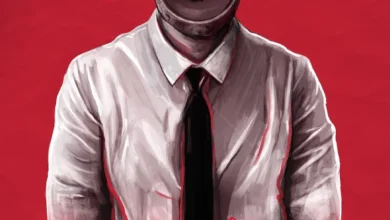
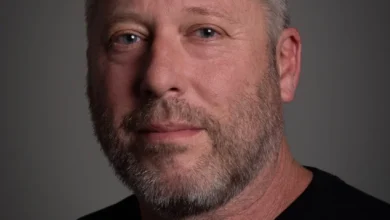
FilmQuest 2026 Premiere of The Avalanche Explores Existential Dread and Lynchian Purgatory Through a Single-Location Lens

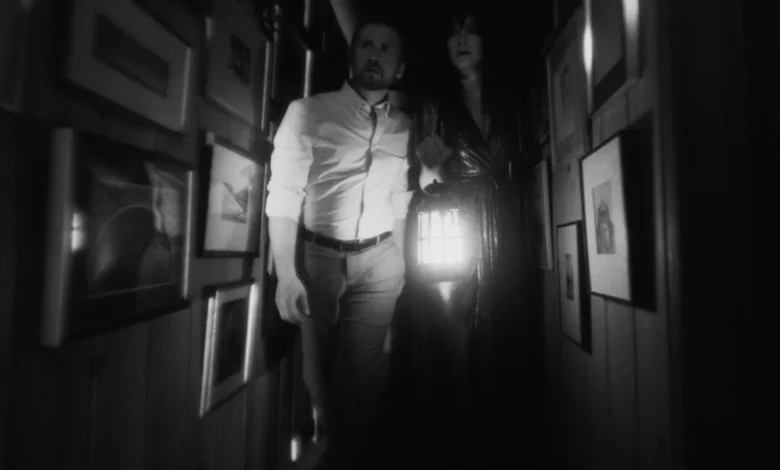
Johnny Coffeen’s sophomore feature film, The Avalanche, made its highly anticipated world premiere at the 2026 FilmQuest festival, introducing audiences to an unsettling blend of existential philosophy, psychological horror, and surrealist cinema. Shot entirely in a single, claustrophobic location and rendered in stark black and white, the film examines the depths of human mortality, unresolved romantic history, and the terrifying ambiguity of the afterlife. Starring Lou Taylor Pucci as Benny and Alexandra Essoe as Zoey, the independent project relies heavily on atmospheric tension, minimal dialogue, and an overarching sense of dream-logic heavily influenced by Coffeen’s personal and professional ties to legendary filmmaker David Lynch.
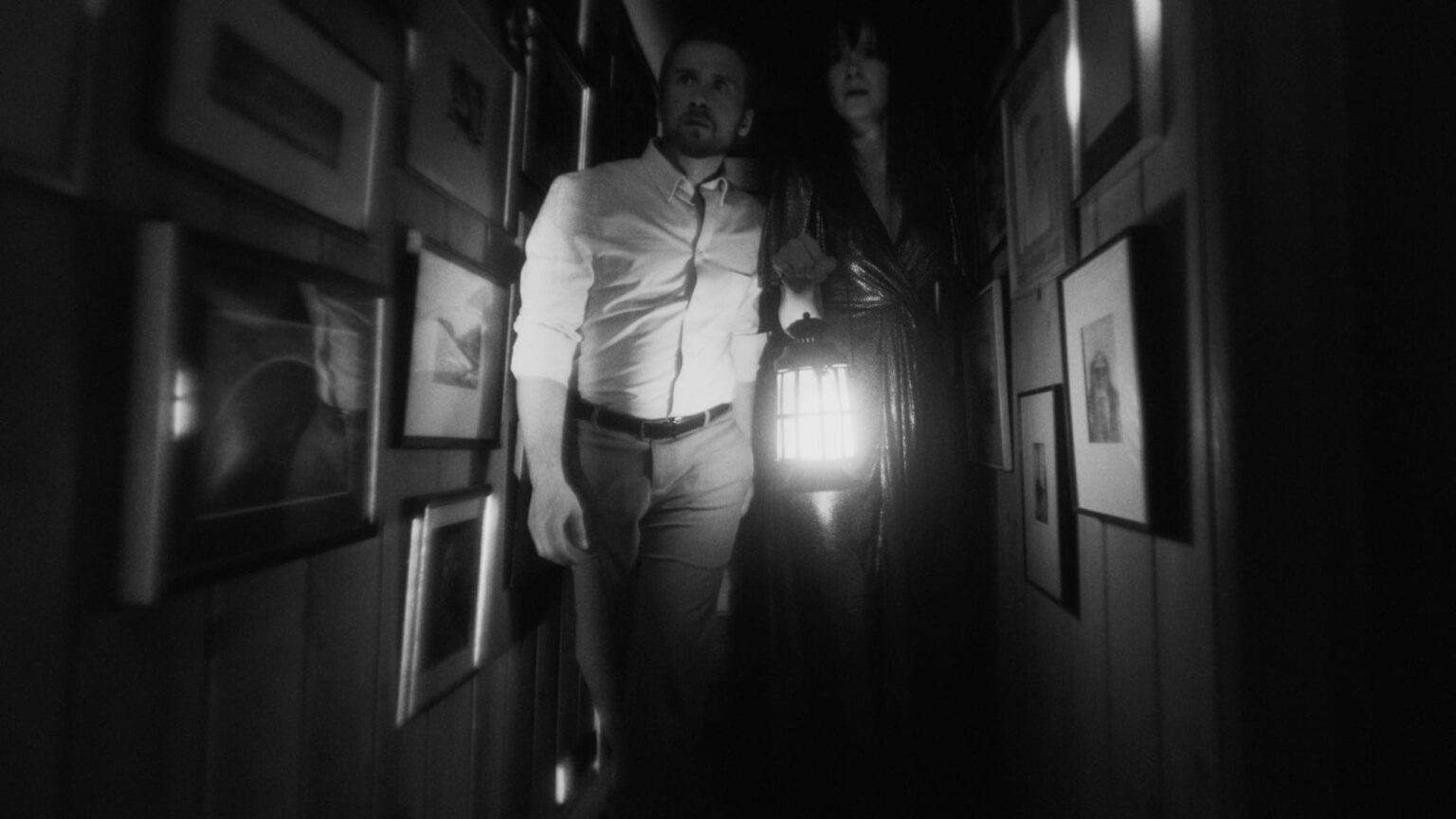
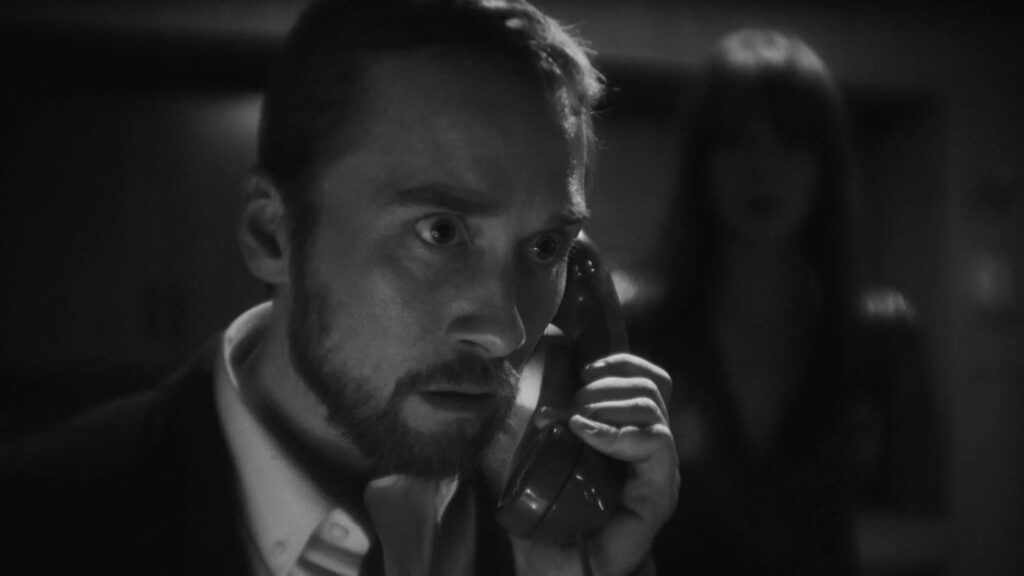
The narrative kicks off with a disorienting premise: Benny and Zoey wake up side-by-side in an unfamiliar, snowbound cabin after a decade of complete separation. With no memory of how they arrived, the duo quickly discovers that feet of heavy snow from a massive avalanche have completely barricaded the doors and windows. Compounding their physical isolation is an inoperable telephone that produces only static whenever it periodically rings, and a complete lack of external cellular service. As days blur together and subsequent avalanches threaten to crush their temporary shelter entirely, the characters are forced to confront not only the immediate danger of their environment but also the unresolved emotional baggage of their past relationship.
A Masterclass in Single-Location Tension and Aesthetic Contrast
The production design of The Avalanche is notable for its deliberate restrictions. Confined to the interior of a deteriorating cabin filled with creepy antique paintings, unnerving doll faces, and a symbolic bell jar containing a miniature snow-covered cabin, the film uses its limited space to heighten psychological claustrophobia. Rather than relying on traditional horror tropes involving gratuitous blood and gore, Coffeen opts for subtle, deeply unsettling imagery. Ominous, silent figures—featuring striking makeup design by Bries Vannon—randomly materialize in the corners of rooms, driving the characters and the audience toward absolute terror through mere presence rather than overt violence.

A key aesthetic choice in the film’s construction is its handling of color and monochrome. While conventional cinema often uses black-and-white photography to depict flashbacks or historical periods, The Avalanche reverses this expectation. The present-day reality of the cabin is rendered in stark black and white, while brief glimpses of the characters’ past exist in full color. This deliberate inversion serves to blur the boundaries between reality and the surreal, reinforcing the central premise that Benny and Zoey may have perished in the initial disaster and are now conscious entities trapped in a personal purgatory.

Philosophical Foundations and Literary Influences
At its core, The Avalanche serves as a cinematic exploration of ontology, existentialism, and absurdism—philosophical traditions famously championed by thinkers like Jean-Paul Sartre and Albert Camus. The film forces its protagonists, and by extension the audience, to confront the ultimate human anxiety: consciousness after death.

Throughout the narrative, as Benny and Zoey navigate their panic, they simultaneously engage in a retrospective evaluation of their choices. Their rediscovered connection acts as a poignant commentary on human regret, specifically the universal reluctance to reach out to estranged loved ones and the lingering wonder of what might have been. This emotional anchor provides a stark contrast to the escalating supernatural dread, grounding the surreal nightmare in recognizable human vulnerability. Critics at FilmQuest 2026 noted that the film’s DIY aesthetic and uncompromising artistic vision successfully capture the elusive, nightmarish cadence of a waking dream, drawing favorable comparisons to classic psychological thrillers while carving out a distinct identity within contemporary independent horror.

Festival Reception and the Evolution of Modern Indie Horror
The premiere of The Avalanche at FilmQuest 2026 marks a significant milestone for director Johnny Coffeen, whose career has long been associated with avant-garde and boundary-pushing visual art. Industry analysts have pointed to the film’s success as evidence of a growing appetite among festival audiences for micro-budget, high-concept horror that prioritizes intellectual engagement and atmospheric dread over high-octane spectacle and jump scares.
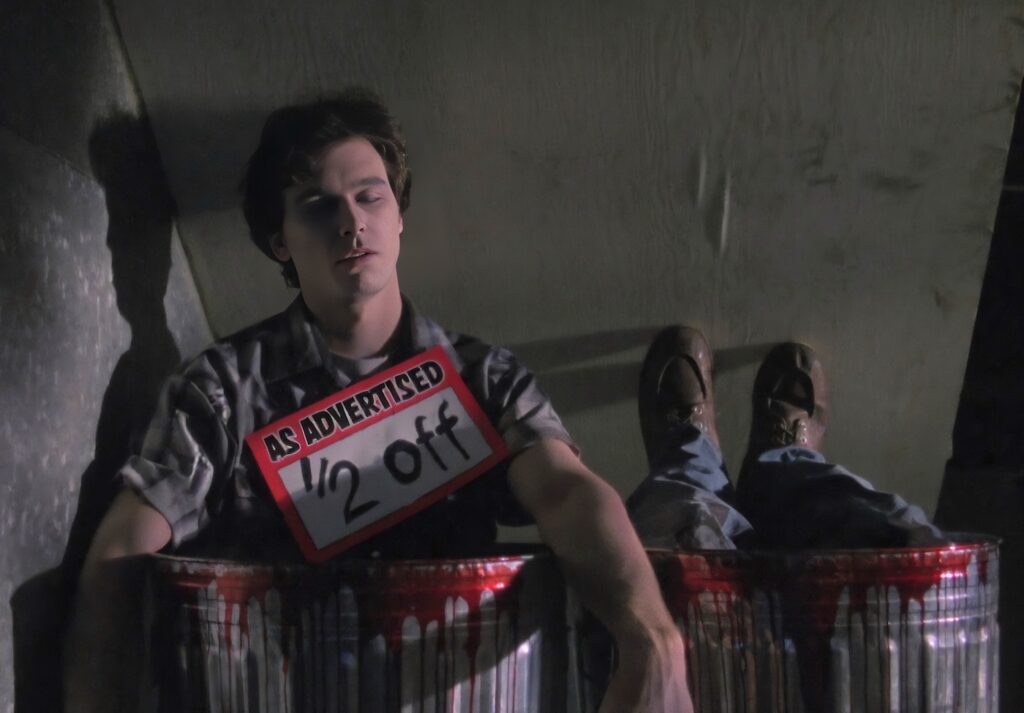
In post-screening discussions, industry programmers and critics highlighted how the film speaks to contemporary anxieties surrounding isolation, mortality, and the passage of time. By utilizing a lean cast of two actors and a solitary set, Coffeen demonstrates the viability of sustainable, highly focused filmmaking in an era where independent creators often face severe budgetary constraints.
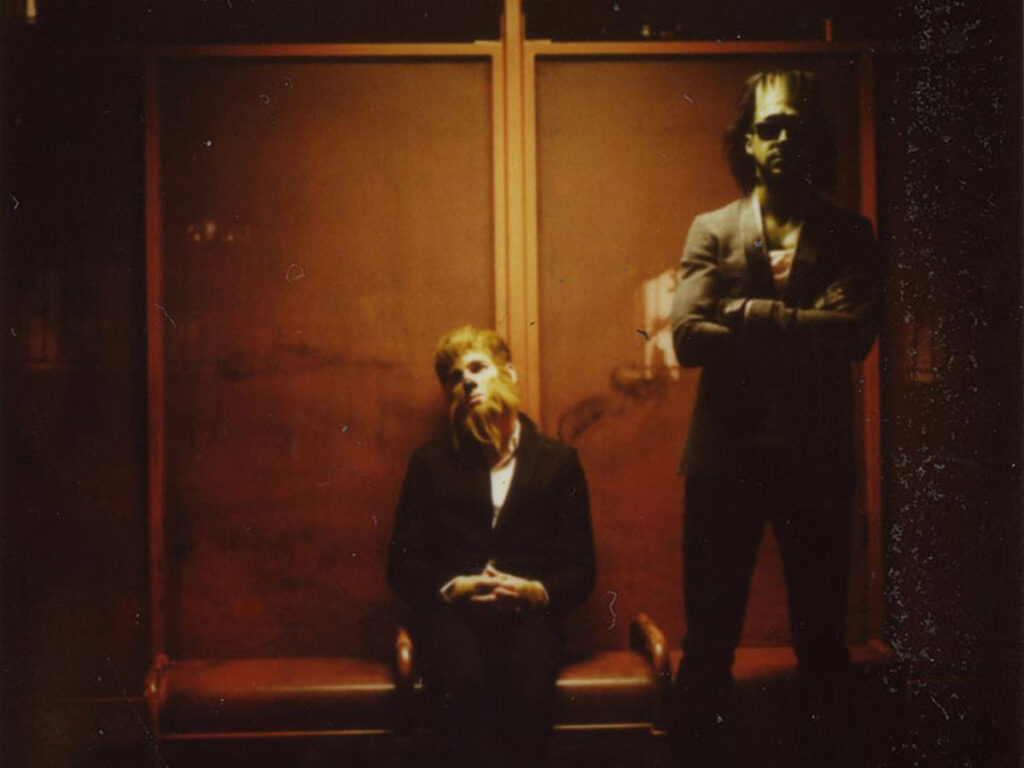
Broader Implications for the Genre
The release of The Avalanche arrives at a time when psychological horror is experiencing a cultural renaissance, with audiences increasingly drawn to narratives that tackle complex philosophical questions. By weaving themes of existential dread into a traditional survival framework, the film bridges the gap between high-art cinema and genre entertainment.

As The Avalanche continues its festival run following its strong debut at FilmQuest 2026, industry watchers anticipate further distribution announcements that will bring Coffeen’s unique vision to a wider global audience. Ultimately, the film challenges viewers to look inward, prompting deep contemplation on the nature of being, the inevitability of mortality, and the imperative to live life authentically before the snow finally closes in.