Is Spidey and His Amazing Friends key to the MCU: Marvel Studios Implements Strict Oversight for Preschool Animation

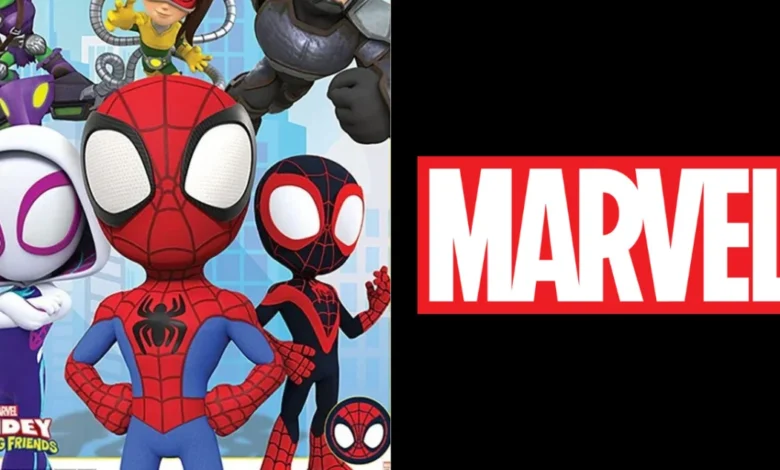
The Marvel Cinematic Universe (MCU) has long been defined by its intricate web of interconnected narratives, meticulously managed by Kevin Feige and the creative team at Marvel Studios. While fans are accustomed to tracking continuity across live-action blockbusters and Disney+ series, a recent revelation suggests that the reach of this "master plan" extends much further than previously assumed. Reports indicate that Marvel maintains a rigorous oversight process for Spidey and His Amazing Friends, the hit Disney Junior animated series, ensuring that the preschool-oriented content remains harmoniously aligned with the broader, more mature MCU franchise.
This coordination effort highlights the unprecedented level of brand management Marvel employs to protect its intellectual property, even in corners of the market that cater to children as young as five years old. As the MCU enters new phases of development, the significance of this behind-the-scenes communication suggests that the studio views every iteration of the Spider-Man character as a vital touchpoint for future audiences.
The Mechanism of Oversight: A Strategic Alignment
The creative synergy between the live-action studio and the animation department is not merely a suggestion; it is a structural mandate. According to industry reports, Marvel Studios leadership engages in frequent, high-level check-ins with the production team behind Spidey and His Amazing Friends. The primary objective of these consultations is to prevent narrative dissonance, ensuring that the preschool show does not inadvertently introduce concepts, character developments, or canonical events that might contradict the future trajectory of the live-action Spider-Man films.
For casual observers, this level of scrutiny might seem redundant, given the vast demographic gap between a Disney Junior series and the PG-13 theatrical releases. However, from a corporate perspective, the Marvel brand is a singular, cohesive ecosystem. By standardizing character behaviors and lore across all mediums, Marvel ensures that the "Spider-Man" brand remains consistent, regardless of whether a viewer is watching a Saturday morning cartoon or a multi-million dollar blockbuster.
Historical Context and Brand Synergy
Spidey and His Amazing Friends premiered in August 2021, serving as the first full-length Marvel-animated series aimed at preschoolers. The show features a team-up of Peter Parker, Gwen Stacy, and Miles Morales, alongside various guest stars from the wider Marvel pantheon. Since its inception, the series has become a massive commercial success, effectively acting as an entry-level introduction to the Marvel brand for an entire generation of children.
The chronology of this oversight process appears to have evolved alongside the show’s success. As the series reached its 100th episode milestone, the complexity of its storytelling increased, necessitating a more robust framework for communication. The "master plan" mentioned by creative leads suggests that Marvel is not just managing individual stories, but the overarching perception of the Spider-Man identity. By controlling the narrative variables in the animated series, Marvel Studios effectively hedges its bets, preventing "lore contamination" that could potentially complicate the live-action storylines currently being developed for the MCU.
Implications for Future MCU Storytelling
The most significant takeaway from this oversight strategy involves the restriction of character usage. When the production team of Spidey and His Amazing Friends introduces a new character or villain, they are effectively confirming that said character is "off-limits" for the live-action MCU in the near term.
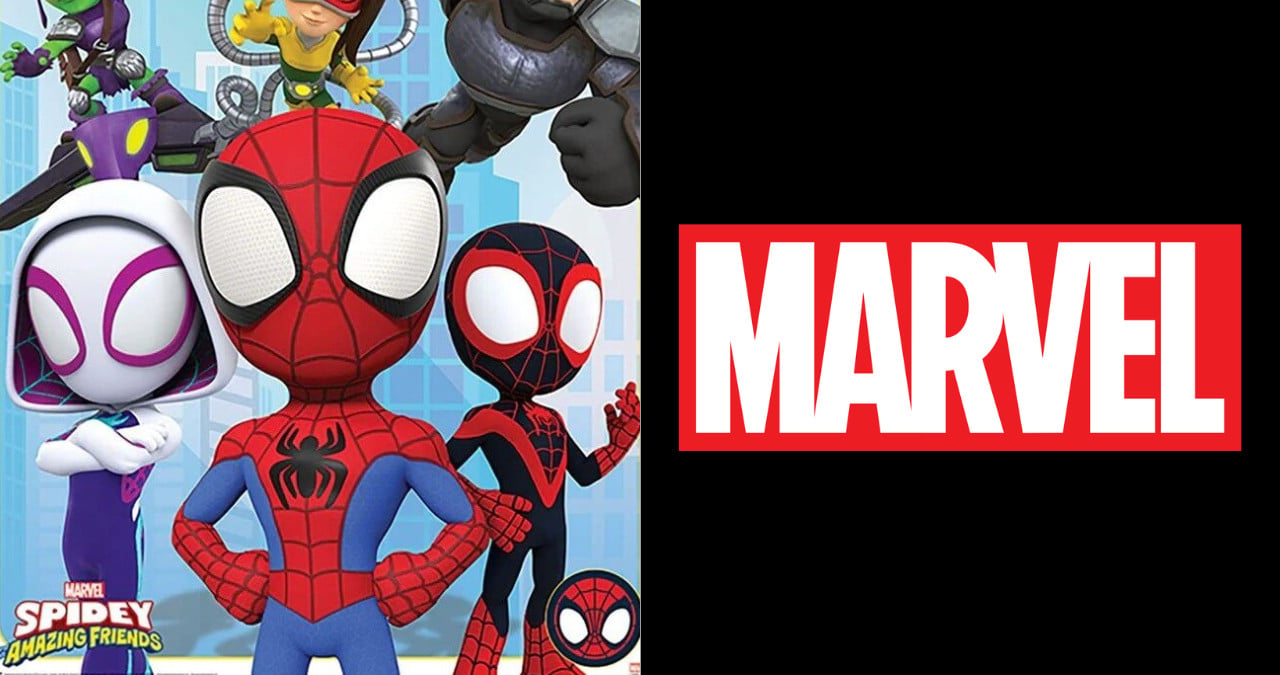
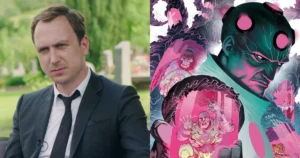
A pertinent example of this is the recent introduction of "Symbie" in the animated series. Symbie, a symbiote character, is a central figure in recent comic book arcs involving Xenozoologist Xanto Starblood. The inclusion of this character in a preschool show serves as a clear signal that the MCU has no immediate plans to utilize this specific entity in upcoming films. This logic also applies to the show’s depictions of antagonists. By featuring characters like Doc Ock (specifically a female variant) and Ultron, the series has essentially claimed those characters for its own narrative sandbox, indicating that their roles in the primary MCU timeline are either concluded or currently sidelined.
This creates a definitive, if unspoken, "dividing line" between the MCU and its animated counterparts. Fans who analyze every frame of Spidey and His Amazing Friends for "MCU Easter eggs" may be looking in the wrong direction; the show is not a treasure trove of future film teasers, but rather a restricted zone where the characters are kept in a state of stasis to avoid conflicting with the complex, high-stakes development of the theatrical films.
The Economics of Brand Consistency
Why would a multi-billion dollar studio dedicate resources to policing a children’s cartoon? The answer lies in the longevity of the IP. Marvel’s strategy is designed to cultivate brand loyalty from the earliest possible age. By ensuring that the "Spidey" seen in a playroom or on a tablet is consistent with the "Spidey" seen on the big screen, the studio builds a subconscious sense of reliability.
Furthermore, this practice mitigates the risk of character dilution. In the licensing and merchandising world, character consistency is essential. If a toy line or a tie-in product based on Spidey and His Amazing Friends accidentally introduces a plot point that contradicts a major reveal in a film like the upcoming Spider-Man: Brand New Day, it could result in consumer confusion and a fractured brand identity. The "check-in" process is therefore as much a logistical necessity for marketing and merchandising as it is a creative choice for storytelling.
Analyzing the "Brand New Day" Era
As fans look toward the release of Spider-Man: Brand New Day on July 31, 2026, the influence of this oversight becomes even more relevant. The live-action films operate under immense pressure to innovate while maintaining the integrity of the character’s history. By keeping the animated series in a state of controlled autonomy, Marvel Studios ensures that the live-action creative teams have the "room to breathe" they need to develop their own unique takes on Peter Parker’s journey.
The existence of this communication loop serves as a testament to the sheer scale of the MCU. In the early days of the franchise, individual films were largely self-contained. Today, the interconnectedness is absolute. From the high-budget, interconnected streaming series to the preschool-targeted animated segments, every piece of content is a cog in a machine that is managed with surgical precision.
Conclusion: The Future of Marvel’s Integrated Universe
The disclosure that Spidey and His Amazing Friends is subject to the MCU’s master plan is more than just a piece of trivia—it is a window into the future of media production. As franchises continue to grow in complexity, the need for centralized oversight across disparate genres and age demographics will only increase.
For the audience, this means that while they may not see a direct crossover between the animated Spidey and the live-action Peter Parker, they are participating in a highly curated experience. Marvel’s ability to manage its IP across such a vast spectrum, while maintaining a clear sense of narrative discipline, remains one of the defining features of its sustained dominance in the entertainment industry. Whether the goal is to introduce the next generation of fans to the Marvel mythos or to preserve the integrity of a cinematic icon, the strategy remains the same: total control, consistent messaging, and a careful eye on every web-slinger in the multiverse.
Related posts: