Love Kills Transforms Danilo Beyruth Graphic Novel into a Neon-Lit Vampire Thriller Debuting on VOD and Film Movement Plus

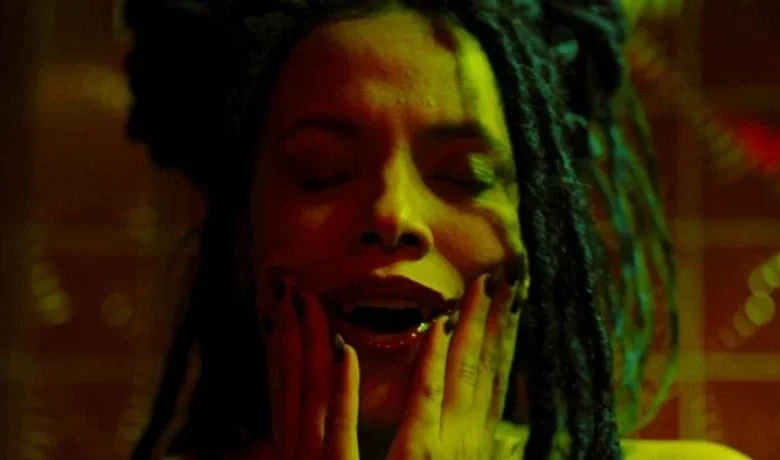
The intersection of international graphic novels and contemporary horror cinema achieves a striking new milestone with the release of Love Kills, the solo feature-length directorial debut of filmmaker Luiza Shelling Tubaldini. Adapted directly from the acclaimed Brazilian graphic novel by renowned creator Danilo Beyruth, the film reinterprets the urban gothic tradition by casting the sprawling, neon-drenched metropolis of downtown São Paulo as a character in its own right. Scheduled for a digital debut just in time for the Halloween season on October 30, Love Kills arrives simultaneously across all leading video-on-demand platforms and the specialized subscription streaming service Film Movement Plus. This dual-release strategy ensures widespread accessibility for genre enthusiasts eager to explore a fresh international perspective on vampire mythology.
At its core, the narrative functions as a genre-bending exploration of urban isolation, marginalization, and resilience. Tubaldini utilizes the tropes of vampirism not merely for traditional scares, but as a deliberate narrative lens to examine the lived experiences of outcast women, personal trauma, and the fundamental struggle for survival in harsh metropolitan environments. Bathed in saturated neon hues and punctuated by stylized, high-energy action sequences, the film presents a seductive portrait of desire, redemption, and primal bloodlust. As genre cinema continues to embrace diverse global perspectives, Love Kills stands out as a sophisticated addition to the modern horror canon, merging the visual grammar of sequential art with the visceral intensity of live-action filmmaking.
Synopsis and Narrative Framework
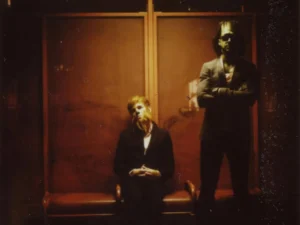
The narrative machinery of Love Kills sets its stage in the gritty, crack-ravaged downtown core of São Paulo. Every night, a mysterious woman dressed in immaculate attire occupies the exact same corner seat in a desolate café. She orders a cup of coffee that she never consumes, preferring instead to silently observe the nocturnal ecosystem of the city. This enigmatic figure immediately captures the attention of Marcos, played by Gabriel Stauffer. Marcos is a downtrodden, perpetually tardy waiter whose chronic lateness routinely lands him in volatile conflicts with his sadistic boss, portrayed by Marat Descartes. Unable to avert his gaze from the striking stranger, Marcos finds his mundane, oppressive routine upended by her silent presence.
The inciting incident occurs when Helena, the mysterious patron—played by Thais Lago—appears to find herself in imminent physical danger. Driven by an impulsive urge to protect her, Marcos rushes to her rescue, only to discover a shocking reality: Helena never needed saving. She is, in fact, a centuries-old vampire, currently on the run from a ruthless rival clan of immortals determined to orchestrate her demise. This revelation plunges Marcos headfirst into a glamorous yet profoundly dangerous, blood-soaked underworld that has existed in plain sight alongside human society. As he becomes increasingly entangled in Helena’s desperate flight, Marcos finds himself caught in the crossfire of an ancient vampire war while navigating a romance that threatens to cost him his mortal life.
Background Context and Source Material
The journey of Love Kills from the printed page to the cinematic screen underscores the growing cultural capital of Brazilian comic books within the global entertainment landscape. Danilo Beyruth, the creator of the original graphic novel, is widely recognized as one of the most significant and influential voices in contemporary Brazilian comics. Known for his versatility across genres ranging from historical fiction to gritty crime and horror, Beyruth’s work often explores themes of alienation, existential grit, and the dark underbelly of urban life. Translating his distinct visual style into a live-action medium required a delicate balance of fidelity to the source material and cinematic reinvention.
Director Luiza Shelling Tubaldini seized this challenge for her solo feature directorial debut, deliberately choosing to lean into the atmospheric potential of São Paulo’s urban architecture. Rather than relying on traditional gothic tropes associated with European castles or isolated rural estates, Tubaldini anchors her supernatural narrative within the concrete canyons, decaying historical buildings, and neon-lit alleyways of downtown São Paulo. This urban decay serves as a thematic mirror for the internal decay and resilience of the characters. By utilizing the city’s complex socio-economic realities as a backdrop, the film elevates the vampire narrative from standard creature feature territory into a commentary on modern urban alienation and the hidden lives of those cast to the margins of society.
Production Timeline and Release Strategy
The development and rollout of Love Kills reflect modern distribution paradigms for independent and international genre cinema. Following principal photography and post-production in Brazil, the film garnered attention for its striking visual aesthetic, characterized by high-contrast neon cinematography and dynamic choreography. Industry analysts note that securing a North American and digital release timed specifically for the Halloween season is a strategic maneuver designed to capture the peak period of consumer demand for horror content.
The distribution framework relies on a hybrid model. By launching simultaneously on all major VOD digital storefronts alongside the curated streaming platform Film Movement Plus on October 30, the film ensures immediate availability to both casual horror fans and dedicated cinephiles. This release window capitalizes on digital-first consumption habits, bypassing traditional, lengthy theatrical rollouts in favor of instantaneous global accessibility. Promotional efforts have been amplified by the release of exclusive preview clips and trailers, offering audiences a direct glimpse into the film’s atmospheric blend of romantic tension and supernatural violence.
Cast and Creative Personnel
The success of Love Kills heavily hinges upon the chemistry and performances of its principal cast, who navigate the tonal shifts between grounded urban drama and high-stakes supernatural action. Gabriel Stauffer delivers a grounded performance as Marcos, anchoring the fantastical elements of the plot through his portrayal of an exhausted, everyday worker pushed to his psychological and physical limits. Opposite him, Thais Lago embodies the dual nature of Helena, blending centuries-old aristocratic lethality with vulnerable, hunted desperation. Marat Descartes rounds out the prominent cast dynamics with a menacing turn as Marcos’s abusive employer, establishing the baseline of systemic cruelty that makes the protagonist’s subsequent escape into the supernatural underworld paradoxically liberating.
Behind the camera, Luiza Shelling Tubaldini’s transition to solo feature direction has been met with critical curiosity within the Latin American film community. Her background in the industry has informed a directorial approach that prioritizes visual storytelling, utilizing color theory—particularly stark contrasts between sickly street lighting and deep, shadow-drenched blacks—to externalize the internal psychological states of her characters. The collaboration between Tubaldini’s vision and Beyruth’s established narrative foundation demonstrates a successful synthesis of literary adaptation and cinematic authorship.
Industry Implications and Cultural Analysis
The release of Love Kills contributes to a broader, ongoing evolution within the horror genre, wherein international filmmakers reclaim and subvert classic monsters to address localized cultural anxieties. Vampirism has historically served as a malleable allegory for contagion, class parasitism, addiction, and repressed desire. By framing the vampire mythos through the specific socio-spatial dynamics of downtown São Paulo, Love Kills aligns itself with recent international horror successes that utilize genre conventions to examine marginalization.
Furthermore, the film’s distribution via digital platforms highlights the diminishing barriers for non-English-language genre cinema in Western markets. As streaming services and VOD aggregators increasingly curate international content for global audiences, regional filmmakers are finding viable pathways to bypass traditional geographical gatekeeping. Love Kills exemplifies this shift, offering audiences outside of Brazil direct access to a distinct regional interpretation of the gothic tradition. As the October 30 release date approaches, industry observers will be monitoring how this neon-soaked vampire fable resonates with international viewers, potentially paving the way for further adaptations of contemporary Latin American graphic novels in the global horror marketplace.