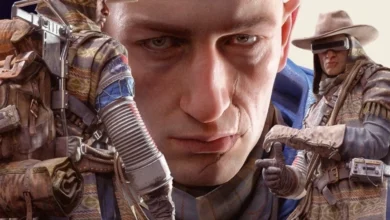
Crimson Desert Charting the Unknown expansion arrives with significant world-building additions and expanded gameplay systems

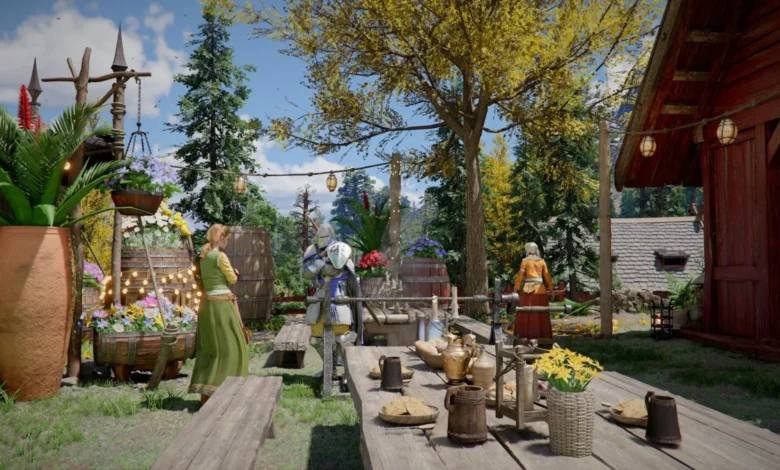
The highly anticipated expansion for Pearl Abyss’s upcoming title, Crimson Desert, titled Charting the Unknown, has officially launched, marking a pivotal moment in the development roadmap for the studio’s ambitious open-world action RPG. Unlike traditional narrative-heavy DLC packs that seek to extend a linear plot, Charting the Unknown functions as a comprehensive systems-level update. By integrating endgame challenges, a nuanced romance system, advanced naval exploration, and expanded housing mechanics, Pearl Abyss is clearly signaling a shift toward providing long-term retention tools for players navigating the treacherous continent of Pywel.
A Strategic Pivot in Content Delivery
Pearl Abyss has long positioned Crimson Desert as an evolution of the "Black Desert" engine technology, aiming to bridge the gap between traditional single-player narratives and the systemic depth of a massive sandbox. The release of Charting the Unknown underscores this philosophy. By layering these features onto the existing foundation, the developers are providing players with horizontal progression options—allowing users to engage with maritime exploration or social simulation elements rather than forcing a singular path through the main story.
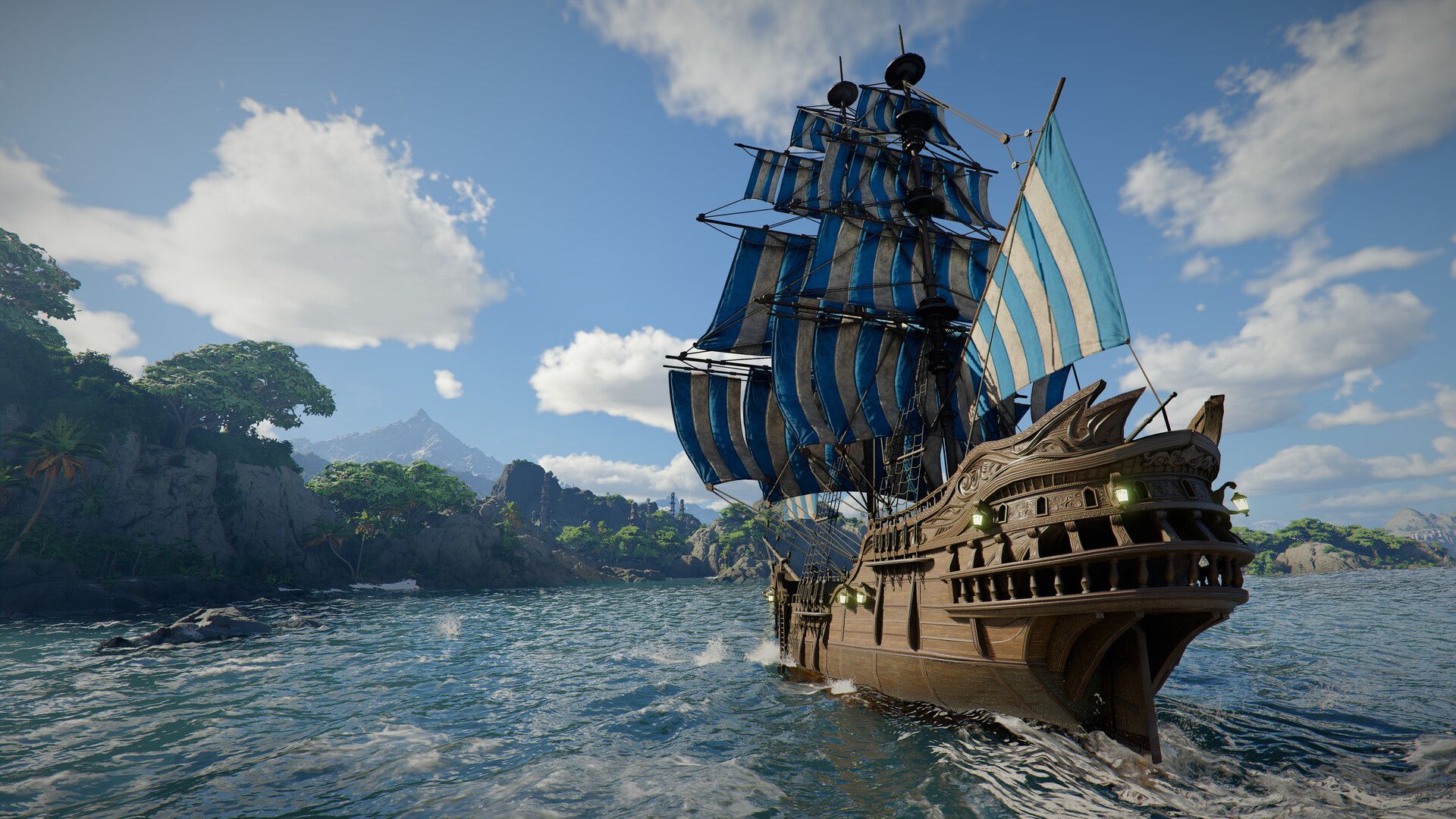
From a development standpoint, this update represents the culmination of months of testing and internal feedback loops. The inclusion of ocean-based gameplay is particularly notable, as it requires complex physics and navigational AI that the studio has been refining since the project’s initial reveal. This expansion acts as a litmus test for how the game’s core mechanics—fluid combat and traversal—hold up when applied to non-combat-focused environments like sailing and domestic management.
Chronology of Development and Release
The path to this update began with the initial teaser trailers that showcased the sheer scale of the Pywel world. Since the game’s announcement, Pearl Abyss has followed a deliberate, albeit lengthy, development cycle. The timeline is as follows:
- Initial Concept Reveal: The project was unveiled as a successor to the spirit of Black Desert, emphasizing a more grounded, story-driven approach.
- Engine Optimization Phase: The team spent significant time refining the "BlackSpace Engine," which allows for the high-fidelity rendering of the expansive maritime environments seen in the new DLC.
- Beta and Stress Testing: Throughout the last fiscal year, Pearl Abyss conducted limited technical tests that hinted at the "Garden of Trials" combat arenas, focusing on frame rate stability and combat responsiveness.
- Charting the Unknown Launch: The current expansion represents the first major post-launch content milestone, designed to keep the player base engaged while the studio prepares for further platform expansions.
Detailed Breakdown of New Systems
The update introduces four primary pillars of content, each requiring specific player milestones to unlock. This gating system ensures that players are sufficiently leveled and familiar with the game’s core combat before attempting the more complex endgame features.
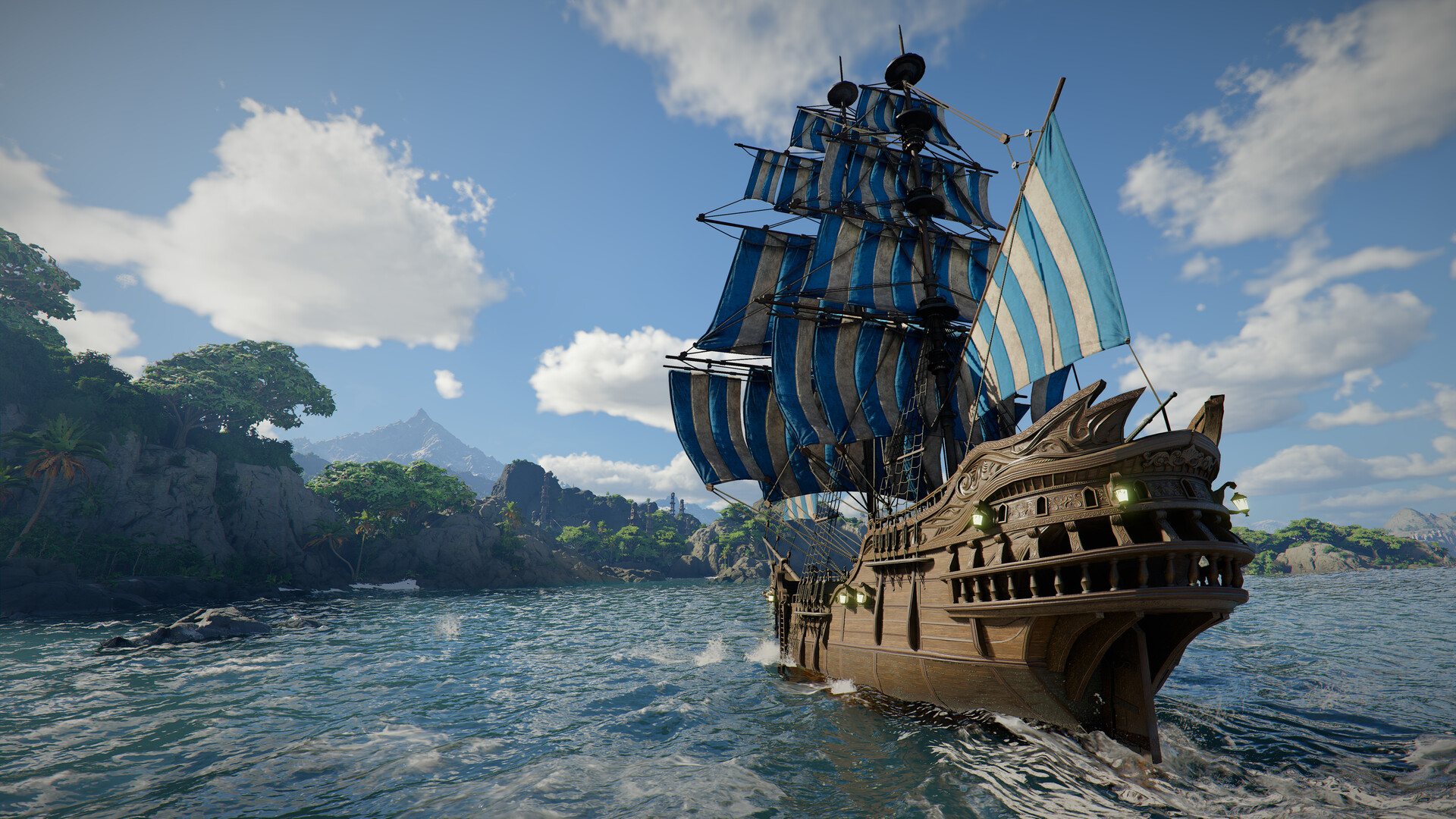
Maritime Exploration and Shipbuilding
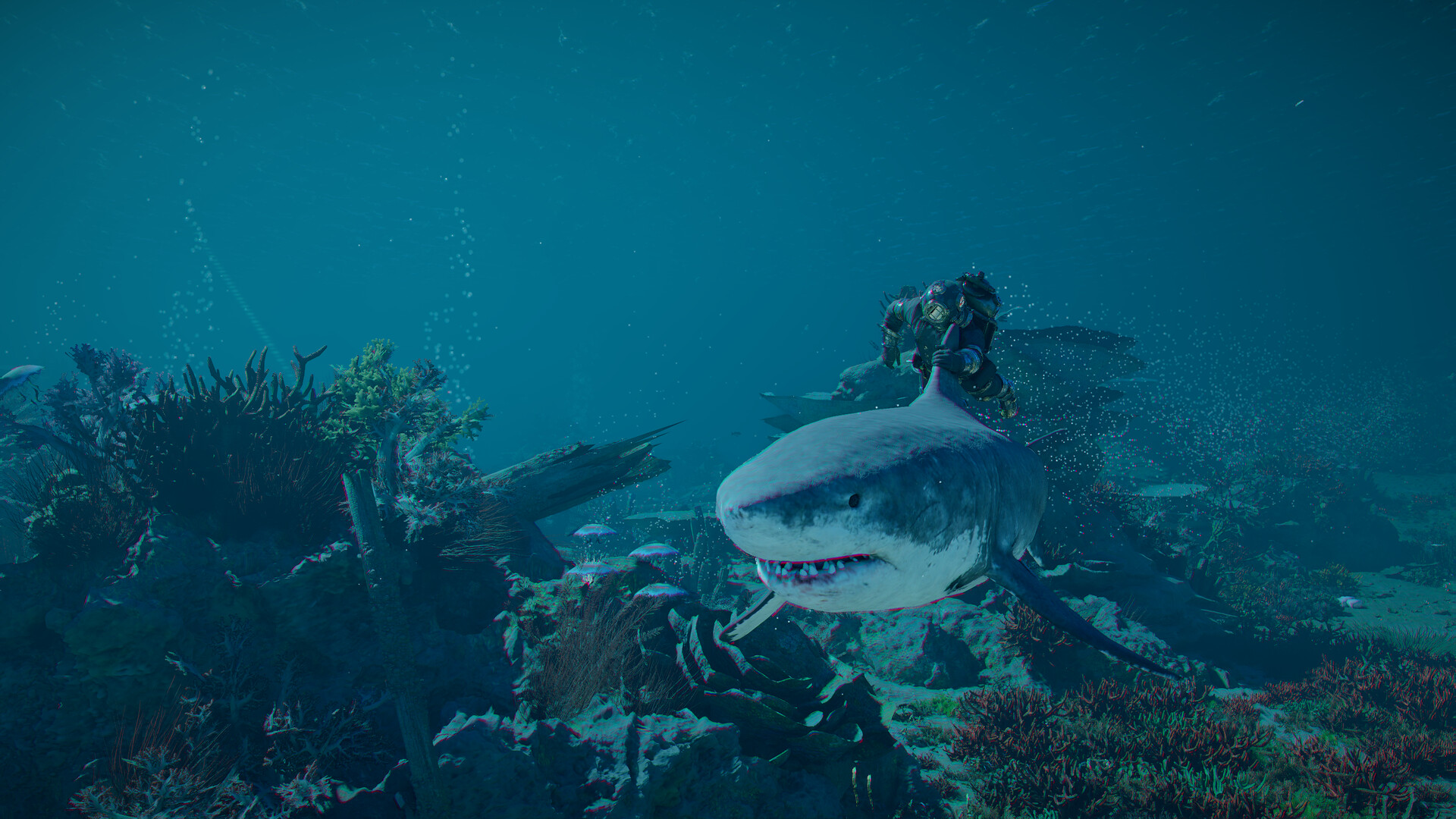
The ocean of Pywel is no longer a static backdrop. Players can now construct bespoke sailing vessels, provided they gather the necessary resources and blueprints scattered across the treacherous coastlines. This questline is designed to encourage exploration, forcing players to navigate unpredictable weather patterns and hostile marine life. The mechanics are intended to be a long-term goal, requiring significant investment in materials and time to build a ship capable of crossing the deep ocean, where the most lucrative rewards reside.
The Garden of Trials
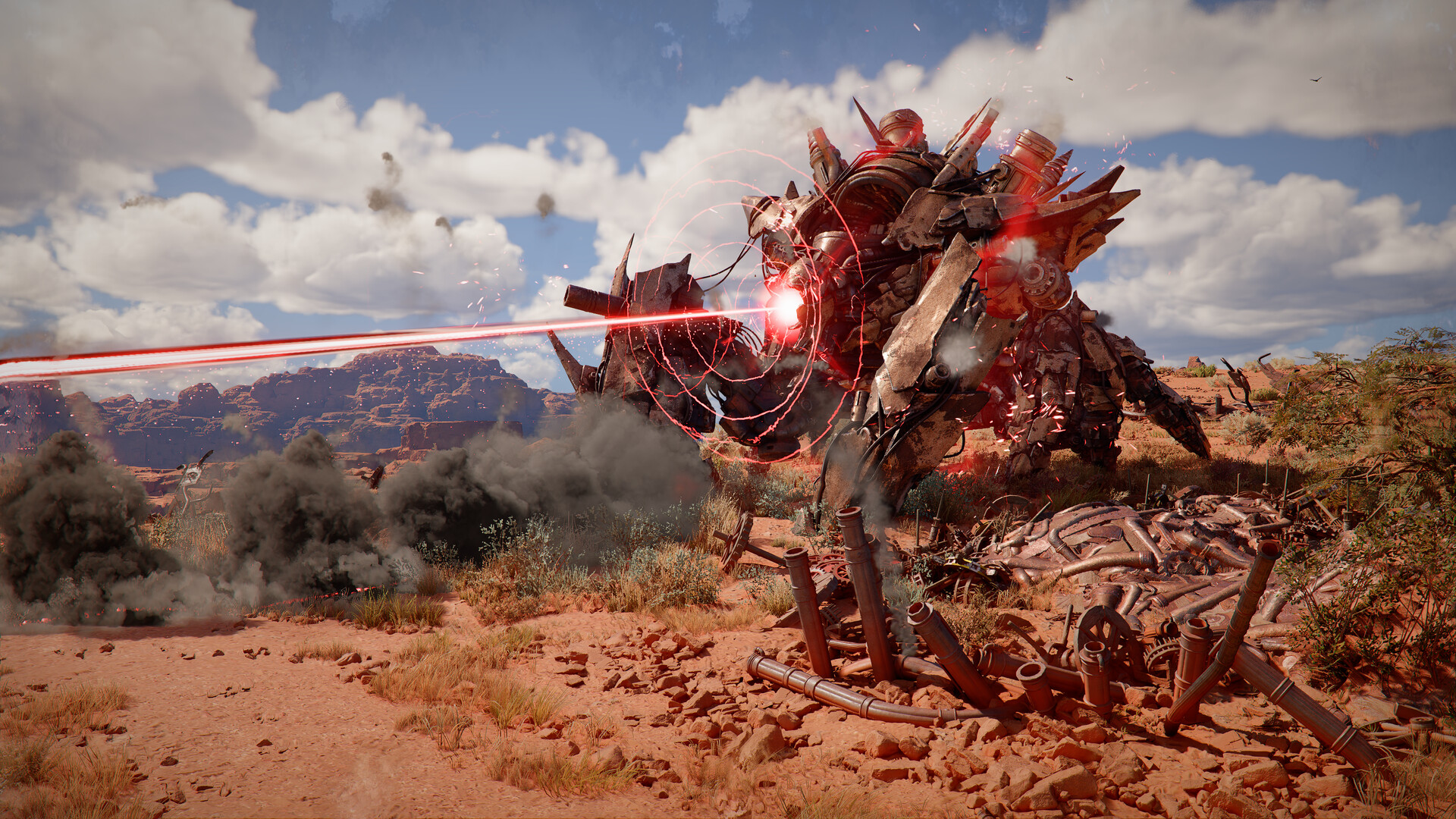
Combat enthusiasts will find the most significant challenge in the Garden of Trials. Accessible only after the completion of the main story, this series of combat encounters serves as an endgame crucible. It is designed to test the player’s mastery of the game’s parry and dodge systems. Each trial features unique enemy archetypes, including the previously teased "Crab Robots" and other mechanical horrors that demand precise timing. This feature serves as the primary "hard mode" for the game, providing a metric for the most skilled players to prove their efficiency.
Expanded Narrative and Social Systems
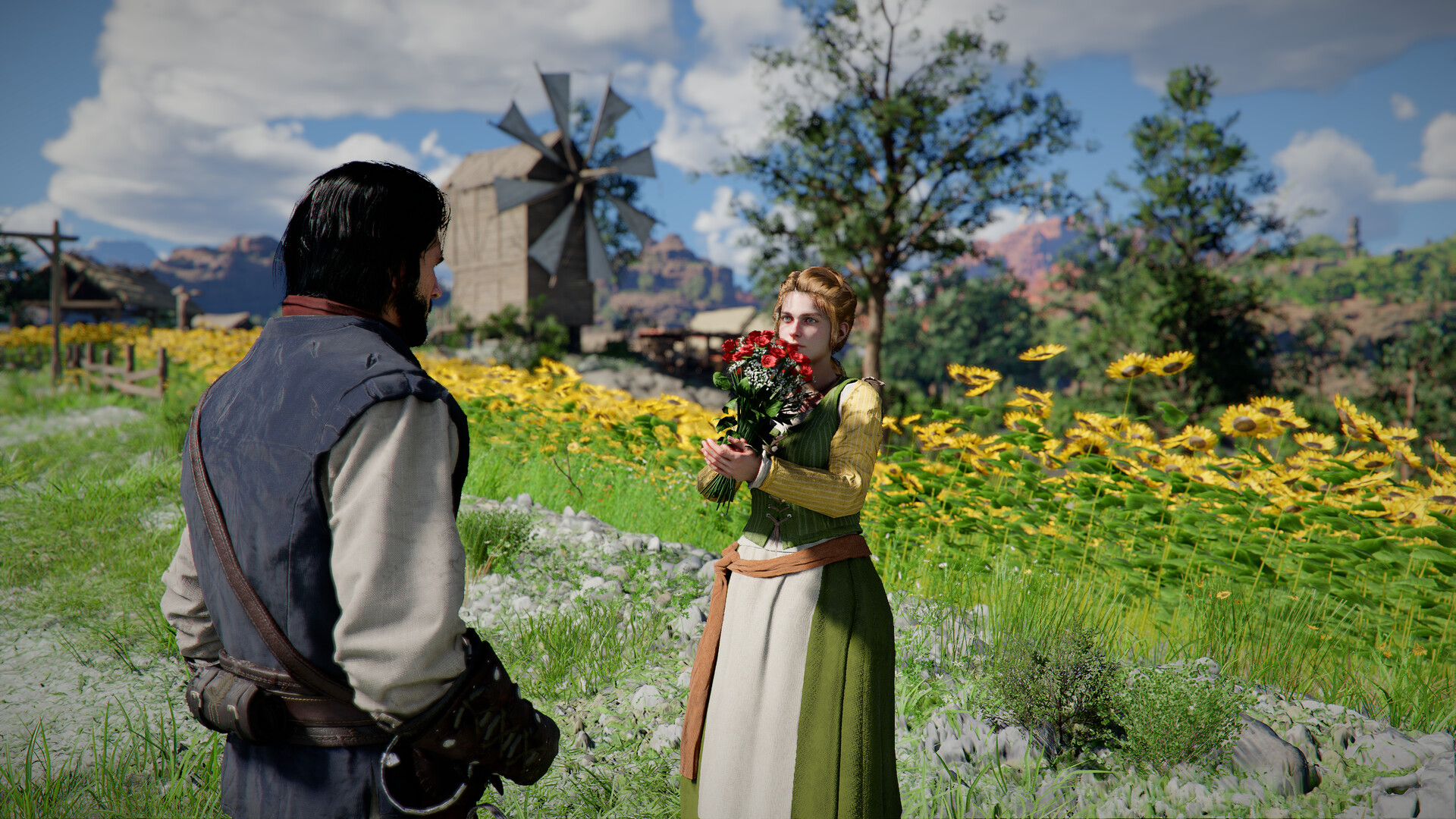
The inclusion of a romance system marks a departure from the gritty, war-torn aesthetic often associated with the game’s marketing. By allowing protagonists Kliff, Oongka, and Damiane to develop relationships with specific NPCs, the studio is adding a layer of emotional stakes to the world. These interactions are not merely cosmetic; they are tied to new story quests in the regions of Pailune and Demeniss. Completing these arcs provides tangible benefits, including unique buffs and access to otherwise locked areas of the world map.
Housing and Facility Management
The housing update introduces a level of customization and utility that was largely absent in earlier builds. Players can now acquire and upgrade residential properties, turning them into hubs for management. These facilities allow for the storage of rare resources, the crafting of high-end equipment, and the hiring of NPCs to manage daily production cycles. This system is designed to create a "home base" feel, grounding the player in the world of Pywel and providing a passive gameplay loop that complements the more active, high-intensity combat encounters.
Analytical Implications: Scaling the Sandbox
The decision to focus on these specific additions offers an interesting insight into the current state of modern RPG development. By implementing a multifaceted "management and exploration" layer, Pearl Abyss is attempting to hedge its bets against the "mile wide, inch deep" criticism that often plagues open-world titles.
If the housing and maritime systems are robust, they provide the necessary "down-time" activities that allow players to pace themselves. The Garden of Trials, conversely, addresses the need for high-intensity, repeatable content that keeps the community active between major narrative updates. From a data-driven perspective, this balance is crucial. Recent industry trends suggest that players are increasingly looking for games that offer multiple "ways to play" within a single client, rather than one singular, finite experience.
Official Stance and Community Reaction
While Pearl Abyss has remained relatively reserved regarding specific player metrics, the initial reception from the community has been largely positive. The move to include distinct, non-linear content indicates that the studio is listening to feedback regarding the need for more depth in the world-building.
Representatives from Pearl Abyss have noted that these systems are "living," meaning they will be subject to balance patches based on how the player base engages with them over the coming months. The focus, according to internal communications, is to ensure that the ocean exploration feels dangerous and rewarding, and that the Garden of Trials remains the pinnacle of combat proficiency.
Broader Impact on the RPG Landscape
Crimson Desert enters a competitive market where titles are expected to deliver thousands of hours of gameplay. By releasing Charting the Unknown, Pearl Abyss is ensuring that their game remains relevant in a landscape dominated by long-running service titles.
The integration of these systems is a technical feat, particularly regarding how the game manages player-owned ships and housing instances within a shared or persistent world. If this expansion succeeds in maintaining player retention, it will likely serve as the blueprint for all future Crimson Desert content. The industry will be watching closely to see if the "systemic depth" approach pays off, or if the complexity of managing ships, romance, and endgame combat leads to an overly fragmented experience.
Ultimately, Charting the Unknown is not just a collection of features; it is a statement of intent. It confirms that the developers view Pywel not as a static setting, but as an evolving ecosystem that requires constant maintenance and expansion to keep players invested. For those who have already completed the primary narrative arc, the update provides a compelling reason to return to the world, offering a mix of high-stakes combat and rewarding, long-term progression systems that extend the life of the game significantly. As the studio continues to iterate on these systems, the depth of the game will likely continue to grow, setting a high bar for what players can expect from future updates in the Crimson Desert roadmap.
Related posts: