The weekly arrival of new comic book inventory represents a significant milestone for the publishing industry, serving as both a primary revenue stream for independent retailers and a critical touchpoint for fan engagement. For the week ending March 18, 2026, the comic book market saw a notable consolidation of releases, as many retailers balanced the current week’s offerings with shipments that were delayed or missed during the previous cycle of March 11. This dual-release environment has provided a robust look at the current editorial direction of DC Comics, highlighting a strategic emphasis on character-driven narratives, archival preservation through facsimile editions, and the resolution of long-running crossover events.

Editorial Focus: Character Development Over Plot Mechanics
The current publishing slate, particularly regarding the Superman-centric titles, reflects a broader industry trend toward "character-first" storytelling. In Action Comics #1096, writers Mark Waid and Skylar Patridge continue their exploration of Clark Kent’s formative years in Smallville. By shifting the narrative focus away from high-stakes, explosive set pieces toward the nuanced realities of navigating a secret identity and building social connections, the creative team is addressing a common critique within the medium: that contemporary superhero comics often prioritize plot speed over the emotional scaffolding required for long-term character investment.
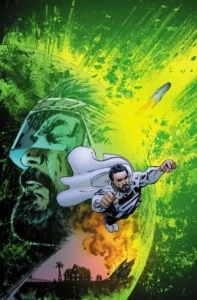
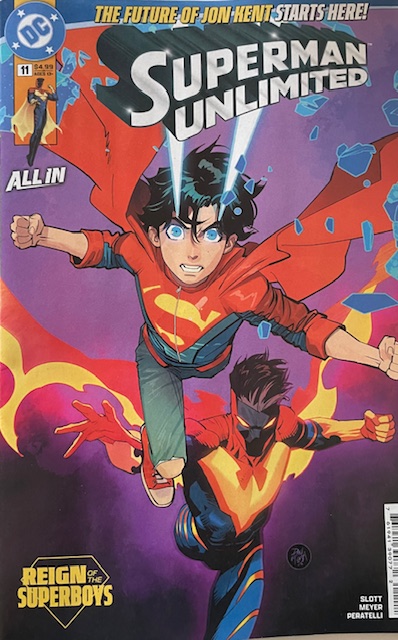
This trend is echoed in Superman Unlimited #11. The introduction of a new story arc by Dan Slott and Lucas Meyer offers a case study in effective character utilization. By pitting Jon Kent against a formidable antagonist from his future, the series leverages established lore while providing accessible entry points for new readers. This narrative approach serves to stabilize the character’s position in the DC hierarchy, reinforcing his legacy status through interpersonal conflict rather than mere physical combat.

The Resolution of Narrative Events
A significant point of discussion in the March 18 release window is the conclusion of the "KO" event, which had previously dominated the narrative trajectory of Emperor Aquaman. For months, readers and critics have expressed concern regarding the pacing and necessity of this crossover, which frequently forced characters into rigid, event-driven roles.
With the release of Emperor Aquaman #15, authored by Jeremy Adams with art by John Timms, the title is finally transitioning back to a localized, character-focused status quo. Industry analysts suggest that this shift is essential for the long-term health of the title. While editorial mandates often necessitate "event" storytelling to boost short-term sales, the return to Earth-based aquatic adventures—long requested by the readership—is viewed as a necessary correction to reconnect with the core audience. The ability for creative teams to successfully navigate these shifts is a primary indicator of their tenure and influence within the publisher’s editorial offices.

Archival Preservation and the Facsimile Market
The success of the facsimile edition program, which reproduces classic issues with original advertisements and editorial content, underscores a shift in how legacy intellectual property is monetized. The release of Action Comics #242, which features the inaugural appearance of Brainiac, represents more than a simple reprint; it is an exercise in historical preservation.
Unlike modern collected editions or digital archives, the facsimile format preserves the tactile experience of the "floppy" comic, including the original house ads and back-up features such as Tommy Tomorrow and Congo Bill. This format has created a distinct niche in the market. Collectors and historians alike emphasize that these editions serve a pedagogical purpose, allowing modern audiences to engage with the structural evolution of comic books as a medium.
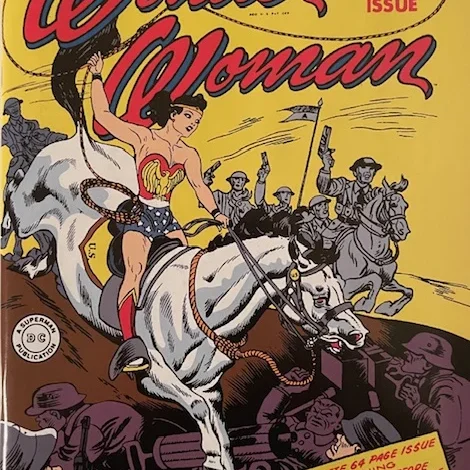
Furthermore, the recent release of the Wonder Woman #1 facsimile, formatted to the original 1942 Golden Age dimensions, highlights a commitment to authenticity. Measuring wider and taller than modern standard comics and spanning 64 pages, this edition provides a historically accurate reading experience. This strategy, previously employed for landmark titles such as Detective Comics #27 and Superman #1, demonstrates that there is a significant, high-value market for physical artifacts that honor the medium’s historical roots.
Market Context and Industry Implications
The retail landscape for the week of March 18 is reflective of the broader challenges facing local comic shops (LCS). Inventory management, as evidenced by the backlog from the previous week, remains a sensitive operational point. When distribution is interrupted, the immediate impact is felt at the point of sale, where retailers must balance floor space, customer subscription boxes, and the demand for new releases.

The data suggests that titles like World’s Finest #49, which serves as a lead-in to a milestone 50th issue, are crucial for maintaining foot traffic. By providing a narrative bridge between major story arcs, publishers can incentivize return visits, which is vital for the survival of the brick-and-mortar retail model. The inclusion of characters from Earth-3, such as the Crime Syndicate, provides the necessary complexity to sustain reader interest during these transitional issues.
Broader Impact and Future Outlook
The current trajectory of DC Comics suggests a dual-track strategy: a focus on deep character studies in ongoing monthly titles, and an aggressive push into the archival market through high-quality facsimiles.

- Character-Driven Growth: By prioritizing the internal lives of characters like Clark Kent and Jon Kent, DC is attempting to build a foundation of emotional loyalty, which is more resilient to market fluctuations than high-octane crossover events.
- Retail Stabilization: The return of titles like Emperor Aquaman to their foundational premises indicates that the publisher is listening to feedback regarding the fatigue associated with large-scale, disruptive crossover events.
- The Archival Economy: The expansion of the facsimile line to include wider, Golden Age-style dimensions proves that physical comic books are increasingly being marketed as luxury goods or collectible artifacts, rather than just disposable newsprint entertainment.
As the industry moves toward major milestones—such as the 50th issue of World’s Finest—the focus remains on balancing legacy and innovation. For the consumer, this week’s release cycle offers a clear snapshot of a publisher attempting to satisfy two distinct demographics: the legacy reader looking for historical accuracy and the contemporary fan seeking grounded, character-focused storytelling. Whether this trend toward introspection and preservation will define the remainder of the 2026 fiscal year remains to be seen, but the early data points from mid-March indicate a stabilization of the publishing rhythm following the volatility of the preceding weeks.
The ongoing commitment to these formats—particularly the "Golden Age" facsimile dimensions—suggests that DC is not merely selling stories, but is actively curating a library of cultural history. As retailers continue to navigate the logistical hurdles of weekly distribution, the quality and consistency of these titles will remain the primary drivers of growth in the specialty retail sector. Future releases will likely continue this trend, with a projected increase in facsimile offerings as the publisher seeks to maximize the value of its extensive back catalog while simultaneously fostering the next generation of creative voices in its primary monthly titles.