A Life Defined by the Stage and Screen
Born on July 13, 1938, in Mirfield, West Yorkshire, Patrick Stewart’s journey to international stardom was rooted in the rigorous discipline of the British theater. He joined the Royal Shakespeare Company in 1966, a tenure that would define his early career and influence his acting style for the rest of his life. His classical training allowed him to imbue his later science-fiction roles with a gravitas rarely seen in the genre.
Stewart’s professional chronology is a testament to his versatility:

- 1966: Joins the Royal Shakespeare Company, solidifying his reputation as a formidable stage actor.
- 1967: Makes his first television appearance on the long-running British soap opera Coronation Street.
- 1971: Debuts on Broadway, marking the beginning of his successful transition into the American entertainment landscape.
- 1981: Delivers a memorable performance as King Leondegrance in John Boorman’s fantasy epic Excalibur.
- 1984: Portrays Gurney Halleck in David Lynch’s adaptation of Dune.
- 1987: Assumes the role of Captain Jean-Luc Picard in Star Trek: The Next Generation, a role that would transform him into a global cultural phenomenon.
- 2000: Launches the X-Men film franchise as Professor Charles Xavier, introducing his work to a new generation of blockbuster audiences.
- 2010: Receives a knighthood from Queen Elizabeth II for his services to drama.
The Picard Legacy: Redefining the Hero Archetype
When Patrick Stewart was cast as Captain Jean-Luc Picard in 1987, the science-fiction community was skeptical. The success of the original Star Trek series was heavily tied to William Shatner’s Captain James T. Kirk—a character defined by bravado, physical action, and a swashbuckling nature. Stewart, however, approached Picard through the lens of a diplomat and an intellectual.
Picard was a man who preferred negotiation over phaser fire, and who viewed the exploration of space as an academic and moral endeavor rather than a military conquest. This pivot redefined the "Star Trek" brand, allowing the show to explore complex ethical dilemmas, political intrigue, and philosophical questions. Stewart’s ability to deliver long, expository monologues with the rhythmic intensity of a Shakespearean soliloquy became the show’s hallmark. Over seven seasons and four feature films, Picard became the quintessential leader—firm, fair, and deeply compassionate.
Beyond the Bridge: Professor X and Voice Acting
While Picard cemented his fame, Stewart’s role as Professor Charles Xavier in the X-Men film series (2000–2024) demonstrated his ability to play paternal figures of immense power. As the founder of a school for mutants, Stewart’s Xavier balanced the burden of global security with the gentle, protective nature of a mentor.

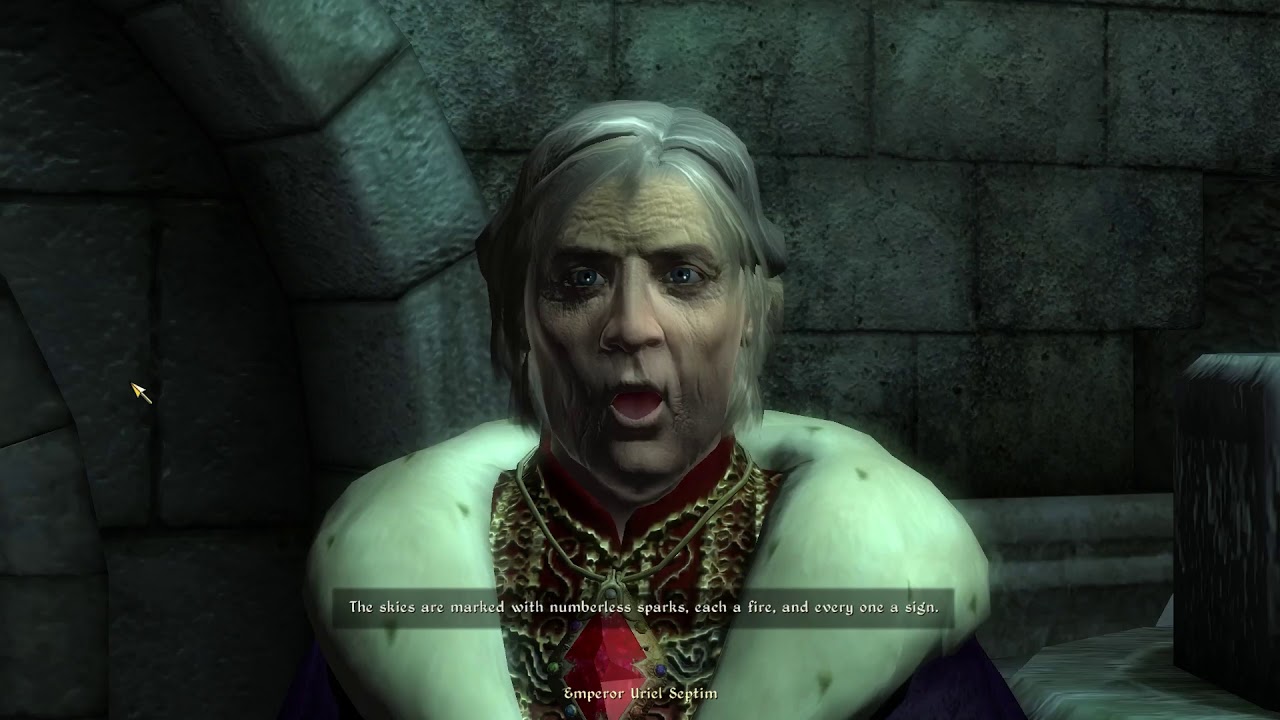
His influence also extended into the world of interactive media. Unlike many actors of his generation who viewed video games as a secondary medium, Stewart embraced them. His work as Uriel Septim VII in The Elder Scrolls IV: Oblivion remains one of the most iconic vocal performances in gaming history, lending a sense of regal authority to the game’s opening sequences. His contributions to the Lands of Lore series and various Star Trek titles further highlighted a career that refused to be confined to traditional mediums.
Public Response and Professional Tributes
The outpouring of grief from colleagues and fans reflects the impact of a man who was widely regarded as a gentleman of the industry. William Shatner, who famously shared the screen with Stewart in later franchise iterations, took to social media to pay his respects. "What a heartbreaking week it has been," Shatner wrote. "Sir Patrick Stewart was a friend, a colleague, and a magnificent actor. From the stage to the bridge of the Enterprise, he brought intelligence, grace, and a deep sense of humanity to everything he did."
The official announcement from his family highlighted the dignity with which he approached his final days: "He has been held in the warm embrace of family and friends, surrounded by live music, prayer, tears, laughter, and the kind of profound emotion that only he could inspire after a lifetime of devotion to us all."

Clinical Context: Alzheimer’s and Lewy Body Dementia
The mention of Alzheimer’s Disease and Lewy Body Dementia in the family statement provides a somber context to his later years. Lewy Body Dementia (LBD) is a complex neurodegenerative disorder characterized by a decline in thinking, reasoning, and independent function. It is often misdiagnosed due to its overlap with both Alzheimer’s and Parkinson’s diseases.
Medical experts note that while there is currently no cure for these conditions, early diagnosis and management can significantly impact the quality of life for patients. By disclosing these specific conditions, the Stewart family has inadvertently brought critical awareness to the challenges faced by families dealing with neurodegenerative health crises, prompting an immediate surge in interest and potential donations to organizations such as the Johns Hopkins Alzheimer’s Disease Research Center.
A Lasting Impact on Modern Culture
The passing of Sir Patrick Stewart marks the end of a transformative era in speculative fiction. His work provided a blueprint for how to portray authority with kindness, a theme that resonates across all the projects he touched. Whether as a Starfleet Captain exploring the frontiers of the galaxy or a telepathic mutant leading a civil rights movement for his people, Stewart was consistently the moral compass of his narratives.
His career also serves as a case study in the evolution of the modern actor. He successfully navigated the transition from the rigid, prestige-heavy world of the British stage to the high-stakes, CGI-driven environments of Hollywood blockbusters, and finally to the burgeoning world of digital storytelling. He did so without ever compromising his artistic integrity or his commitment to the craft.
As the industry reflects on his passing, the focus remains on the "invincible grace" mentioned in his family’s statement. Sir Patrick Stewart did not just play leaders; he embodied the virtues of patience, curiosity, and empathy, traits that defined both the characters he played and the man behind the persona. His death represents a profound loss for the arts, but his recorded performances, spanning decades of human inquiry and imagination, ensure that his influence will remain an enduring fixture of global culture.
Memorial contributions in his honor are currently being directed to the Johns Hopkins Alzheimer’s Disease Research Center Fund and the Alzheimer’s Foundation of America, institutions working to address the very conditions that marked his final journey. Through these contributions, and through the millions of lives he touched via his screen presence, the legacy of Sir Patrick Stewart remains secure.