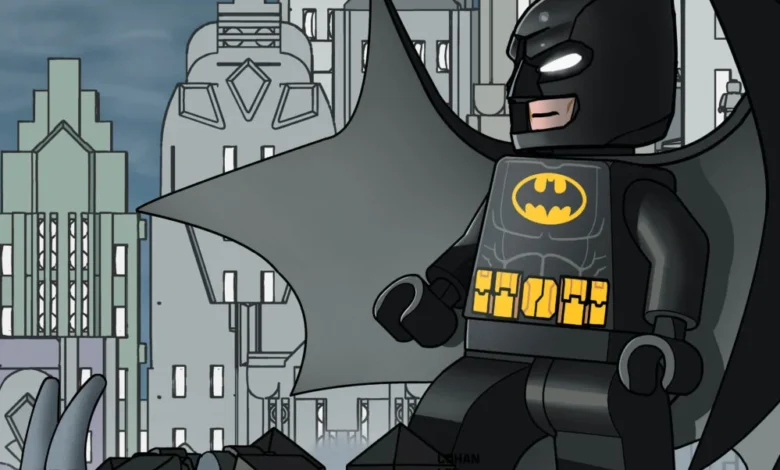
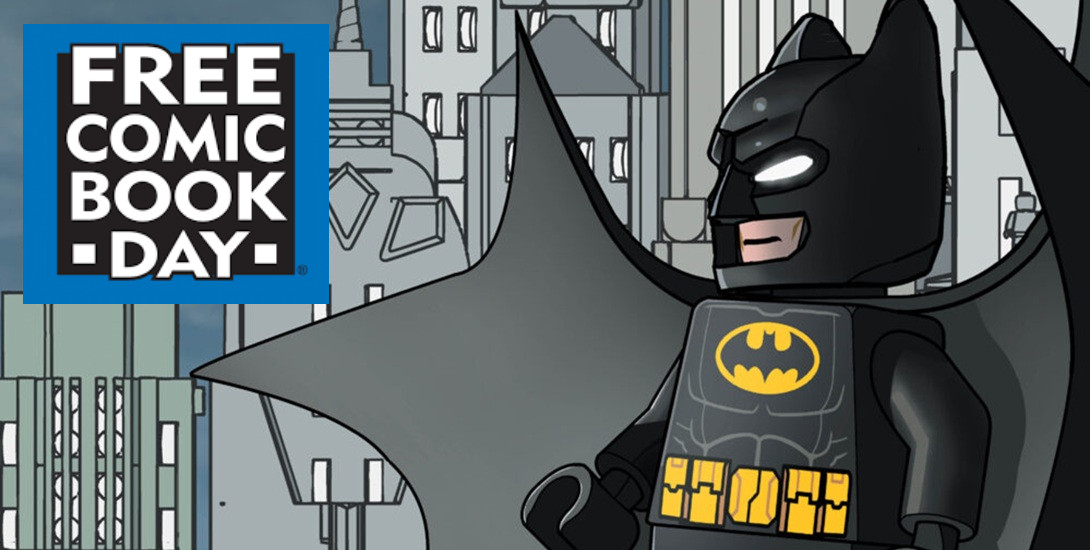
DC is set to make a significant splash during the 2026 Free Comic Book Day (FCBD) festivities with the release of an exclusive promotional one-shot titled The LEGO Batman Returns. This strategic publication serves as an official narrative precursor to the highly anticipated video game, LEGO Batman: Legacy of the Dark Knight. Available to the public on May 2, 2026, the comic will be distributed through participating local comic book shops nationwide and will simultaneously be made available for digital consumption via the DC Universe Infinite platform. This initiative marks a deepening integration between DC’s publishing division and Warner Bros. Interactive Entertainment, signaling a shift toward a more unified, multimedia storytelling ecosystem.
The Creative Team and Narrative Scope
The comic is penned by Ivan Cohen, a veteran scribe whose previous work on the animated series Beware the Batman demonstrated a keen ability to balance the dark, noir-inspired tones of Gotham City with the accessibility required for younger audiences. Joining him on art duties is Paul Lee, a seasoned professional recognized for his contributions to the acclaimed Batman: Under the Hood storyline. Together, Cohen and Lee have crafted a narrative that functions as a bridge between the classic, gritty roots of the Batman mythos and the whimsical, brick-based aesthetics of the LEGO franchise.
The story centers on a weary yet determined Batman as he returns to a Gotham City that has evolved during his brief absence. By blending humor with a deep sense of reverence for the character’s history, the one-shot promises to deliver a meta-commentary on the Dark Knight’s legacy. The script is designed to appeal to both long-time collectors—who will appreciate the intricate references to decades of television and film history—and a new generation of players engaging with the LEGO brand for the first time.
Historical Context and Artistic Homage
The timing of this release is not coincidental; the announcement was intentionally synchronized with the anniversary of Batman’s inaugural appearance in Detective Comics #27, which hit newsstands on March 30, 1939. This historical milestone provides the framework for the comic’s visual identity. The creative team has confirmed that the opening panel of the one-shot is a direct recreation of the legendary cover by Bob Kane, which famously depicted the Caped Crusader swinging across the Gotham skyline.
This homage serves as an anchor for the publication, explicitly acknowledging the foundational contributions of creators such as Bob Kane and Bill Finger. By grounding the LEGO iteration of the character in these traditional artistic touchstones, DC is reinforcing the idea that the LEGO Batman franchise is not merely a parody, but a legitimate extension of the broader Batman canon. Throughout the pages, readers can expect a dense collection of "Easter eggs," including subtle nods to the various iterations of the Batcave, the evolution of the Batmobile, and the iconic rogue’s gallery that has defined the character for nearly nine decades.
Multimedia Integration: The Bridge to Gameplay
The comic functions as more than a standalone souvenir; it is a narrative primer for the upcoming LEGO Batman: Legacy of the Dark Knight video game. Warner Bros. Games and TT Games have worked in close tandem with the editorial team at DC to ensure that the tone, character motivations, and world-building established in the comic are consistent with the interactive experience.
The game itself represents a significant evolution for the LEGO series, promising a comprehensive "origin story" that draws inspiration from the most defining moments in cinematic history. Notably, the game’s production designers have looked to the 1989 Tim Burton film for visual cues, and developers have confirmed that the soundtrack will feature audio homages to the iconic score, including the unmistakable influence of Prince’s contributions to the franchise. This synthesis of source material suggests a high-budget, high-fidelity approach intended to elevate the LEGO Batman brand beyond its traditional demographic.
Release Schedule and Platform Accessibility
As the industry moves toward a hybrid model of physical and digital engagement, the release of this comic mirrors the rollout strategy for the game. LEGO Batman: Legacy of the Dark Knight is scheduled for a multi-platform release on May 22, 2026. The title will be available on current-generation hardware, including the PlayStation 5, Xbox Series X/S, and PC, with a secondary launch window planned for the Nintendo Switch 2.
In an effort to incentivize early adoption, Warner Bros. Games has structured a tiered pre-order system. Customers who secure the Deluxe Edition of the game will gain access to the experience as early as May 19, three days before the general public. This edition includes exclusive digital content, most notably the "Dark Knight Returns" Batsuit, which pays tribute to Frank Miller’s seminal graphic novel.
Incentives and Ecosystem Connectivity
The strategy surrounding the game’s release relies heavily on the "LEGO ecosystem," creating a circular economy of digital and physical goods. Fans who register for a official WB Games account receive an immediate unlockable skin featuring the original 1939 design by Kane and Finger, effectively rewarding users for engaging with the brand’s digital infrastructure.
Furthermore, the game features a unique integration with physical LEGO sets. By purchasing specific licensed products, players can unlock bonus content, such as a gold-plated Batsuit and various iterations of the Batmobile. These vehicles are meticulously modeled after those seen in modern cinematic entries, including Matt Reeves’ The Batman, Zack Snyder’s Batman v Superman: Dawn of Justice, and the polarizing yet stylistically bold Batman & Robin. By linking physical product ownership to digital content, the developers are creating a compelling reason for consumers to remain invested in the physical LEGO line while they explore the digital world of Gotham.
Industry Implications and Market Analysis
The move to pair a free, collectible comic book with a major AAA video game release is a sophisticated marketing play. Historically, Free Comic Book Day has served as an annual celebration to drive foot traffic into local comic shops, a segment of the market that has faced fluctuating retail dynamics in the post-pandemic era. By placing a high-profile, game-linked property at the heart of this event, DC is successfully funneling a younger, gaming-focused demographic into brick-and-mortar stores.
Industry analysts observe that this strategy effectively serves three primary functions:
- Brand Synergy: It reinforces the connection between the video game and the comic book origins, validating the game’s lore within the wider DC Universe.
- Retail Support: It provides independent comic shops with a high-demand item that guarantees a surge in foot traffic on a key industry day.
- Consumer Retention: By offering a physical incentive for digital pre-orders and game registration, the developers are creating long-term brand loyalty.
The collaboration between TT Games and DC represents a maturation of the LEGO gaming brand. As competition in the family-friendly and open-world action-adventure genres continues to intensify, the ability to weave a cohesive, multi-platform narrative will likely become a prerequisite for success. The "Legacy of the Dark Knight" project stands as a case study in how to maintain the prestige of a legacy character while adapting to the demands of modern interactive entertainment.
Conclusion
The release of "The LEGO Batman Returns" on May 2, 2026, is a pivotal moment for both the publisher and the studio. By bridging the gap between the 1939 roots of the character and the 2026 digital landscape, DC is demonstrating that its intellectual properties are fluid, capable of being adapted across mediums without losing the core essence that has made Batman a cultural icon for generations. Whether it is the inclusion of the original 1939 cover art or the promise of modern, cinematic-inspired gameplay, the initiative is clearly designed to capture the imagination of a diverse audience. As the release date for both the comic and the game approaches, all signs point to a successful expansion of the Batman franchise, ensuring that the Caped Crusader remains as relevant in the era of high-definition gaming as he was on the newsstands of the late 1930s.