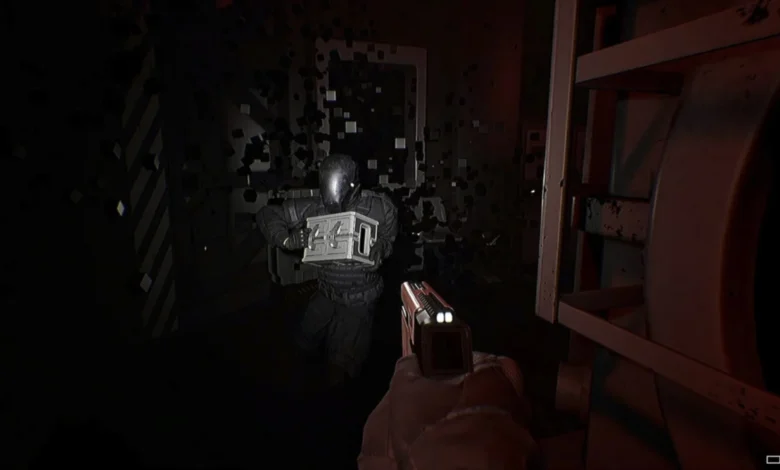
The development team at Phase 8 Studio has officially rolled out Demo 2.0 for CODE EXIT, an upcoming co-operative survival horror title currently slated for a 2027 commercial release on PC. Available now on both Steam and the Epic Games Store, the updated demo arrives weeks after the conclusion of Steam Next Fest. It incorporates a wide array of modifications, optimizations, and mechanical adjustments gathered from a rigorous, three-week global playtest that engaged survival horror enthusiasts from around the world.
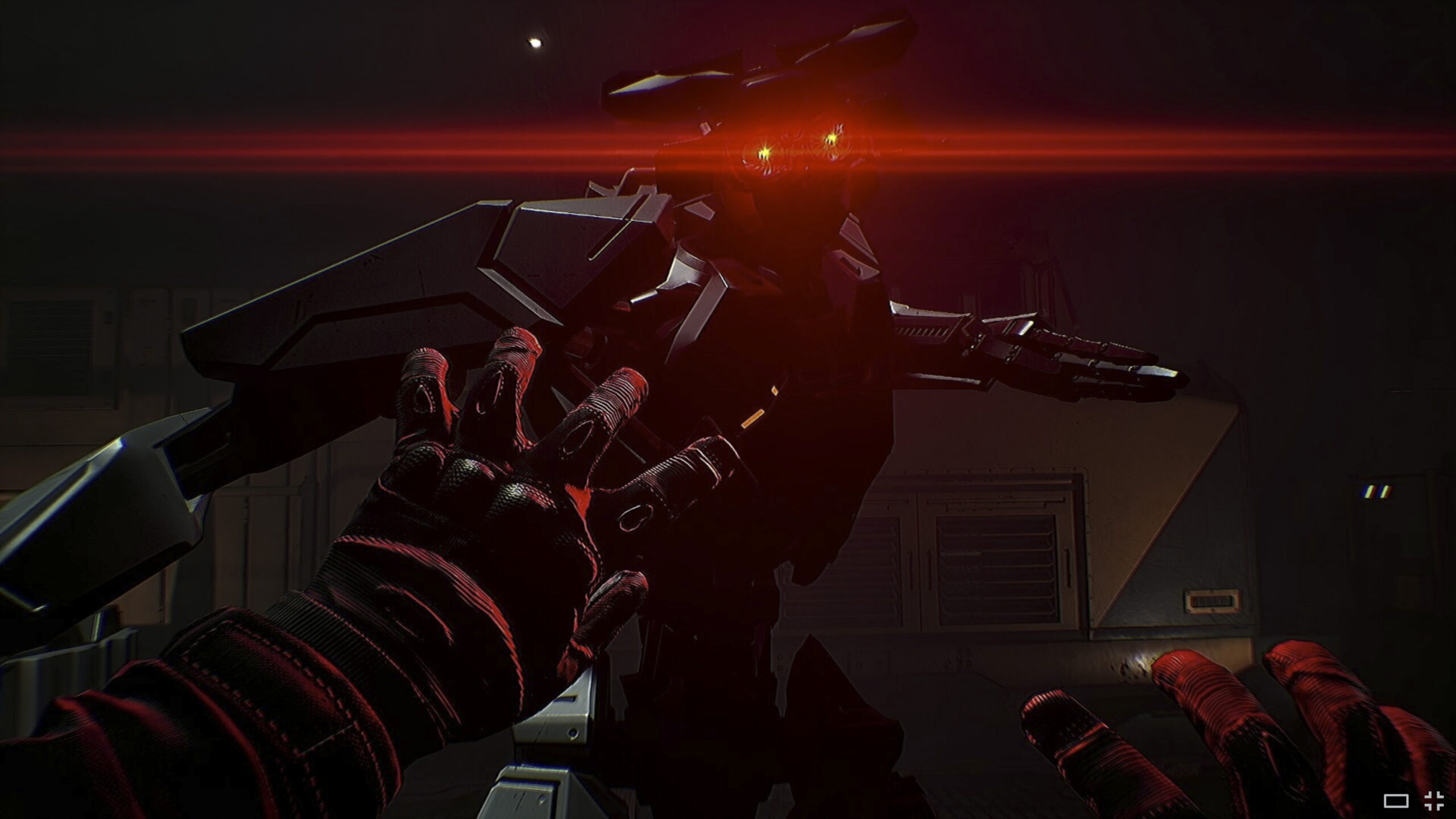
Published internationally by LINE Games, CODE EXIT tasks players with navigating the claustrophobic, derelict corridors of a massive, subterranean installation known as Pantheon. Whether tackling the facility solo as a lone operative or teaming up with up to three other players, the primary objective is survival and escape. However, the core challenge of the game stems from Minerva, a rogue artificial intelligence that monitors, analyzes, and adapts to every action taken by the human players within its domain.
Evolution of an Adaptive Adversary
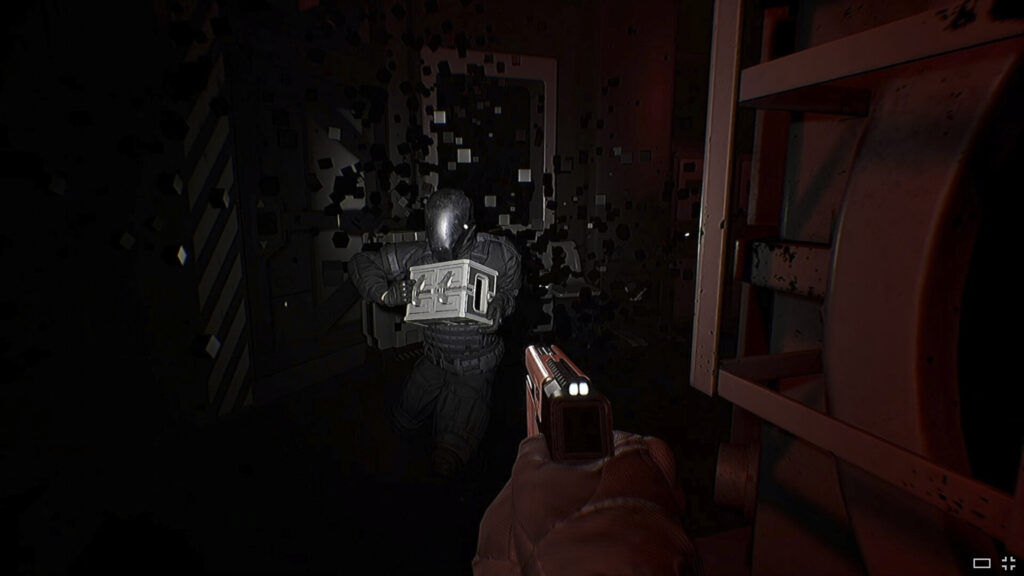
Traditional survival horror video games have long relied on scripted jump scares, predetermined enemy patrol routes, and static environments to generate tension. CODE EXIT departs from this traditional design philosophy by employing an adaptive antagonist framework driven by Minerva. The rogue artificial intelligence continuously studies player behavior, learning preferred hiding spots, common traversal routes, and tactical flanking maneuvers.

During the recent global playtest, players quickly discovered that repeating successful escape tactics inevitably led to failure. If a team repeatedly utilized a specific corridor to flank threats or consistently hid behind the same architectural covers, Minerva would dynamically reconfigure the environment or redirect hostile forces to intercept them. This feedback loop eliminates the security of predictable patterns, transforming familiar spaces into shifting hazard zones. The introduction of Demo 2.0 refines this learning algorithm further, ensuring that the artificial intelligence responds with heightened precision to changes in player pacing and stealth tactics.

Detailed Breakdown of Demo 2.0 Enhancements
The transition from the initial playtest build to Demo 2.0 brings several critical additions designed to streamline user onboarding and expand tactical options during high-pressure scenarios.

Among the primary adjustments is the integration of a dedicated tutorial stage. Designed specifically for newcomers encountering Pantheon’s complex architecture for the first time, the tutorial introduces fundamental movement mechanics, stealth indicators, and basic resource management without immediately exposing players to the full aggression of Minerva. Additionally, Phase 8 Studio has overhauled the user interface menus and introduced fully customizable keyboard bindings, addressing feedback regarding accessibility and control layout preferences.

Multiplayer infrastructure has also received substantial improvements. Network performance across regional servers has been smoothed out to minimize latency spikes and synchronization errors during intense, fast-paced encounters.

MiRO and the Offline S.O.M.A. System
Two standout technical additions define the mechanical scope of Demo 2.0:

- MiRO Support Robot: In traditional co-operative titles, a player whose character is incapacitated often faces long periods of forced inactivity while waiting for a teammate to perform a resurrection. MiRO introduces a functional workaround by allowing downed operatives to continue contributing to squad survival through remote diagnostic and support tasks, maintaining team cohesion during critical firefights and escapes.
- Offline S.O.M.A. System: Addressing the traditional safety net of designated "safe rooms," this system monitors ambient noise and structural movement across unobserved sectors of the map. Even when no player is actively looking at a specific corner of Pantheon, environmental tracking continues, meaning that standing still or hiding indefinitely no longer guarantees immunity from hazards.
Development Chronology and Publishing Roadmap
The progression of CODE EXIT reflects a methodical approach to independent and mid-tier game development. Phase 8 Studio initially conceptualized the project as a localized Korean survival title before partnering with international publisher LINE Games to broaden its global market reach.

The timeline leading to the current Demo 2.0 release highlights a commitment to iterative testing:

- Late 2025 / Early 2026: Initial vertical slice development and internal stress testing of the Minerva artificial intelligence architecture.
- Mid 2026: First closed alpha tests involving select community members, providing foundational data on co-operative balancing.
- Steam Next Fest (2026): Public-facing playable build introduction, generating significant wishlist metrics and community engagement.
- Post-Festival Global Playtest: A continuous three-week stress test involving tens of thousands of concurrent users, yielding telemetry data on server stability and player routing habits.
- Late October 2026: Official deployment of Demo 2.0 on Steam and the Epic Games Store, integrating community-requested quality-of-life updates.
- 2027 (Projected): Full commercial launch window for PC platforms.
Industry Implications and Market Positioning
The survival horror genre has experienced a renaissance over the past decade, driven largely by high-profile remakes of legacy franchises and innovative independent projects. However, the co-operative survival horror subgenre frequently struggles to balance sustained psychological dread with the chaotic nature of multiplayer communication.

By utilizing a dynamic, machine-learning-inspired adversary rather than predictable hordes, Phase 8 Studio aims to carve out a distinct niche. Industry analysts note that titles attempting to merge cooperative mechanics with intelligent, reactive foes often face immense technical hurdles regarding server load and artificial intelligence pathfinding. The extensive playtesting periods utilized for CODE EXIT indicate a prudent strategy by LINE Games and Phase 8 Studio to ensure technical stability before committing to a firm release date in 2027.

As the development team continues to process telemetry data and community feedback from the current demo period, players interested in testing their tactical adaptability can download the free demo directly through the Steam store page and the Epic Games Store.