Warhound: Genetically Enhanced War Dogs Startup Claims It Could Have Major Applications for Pet Owners

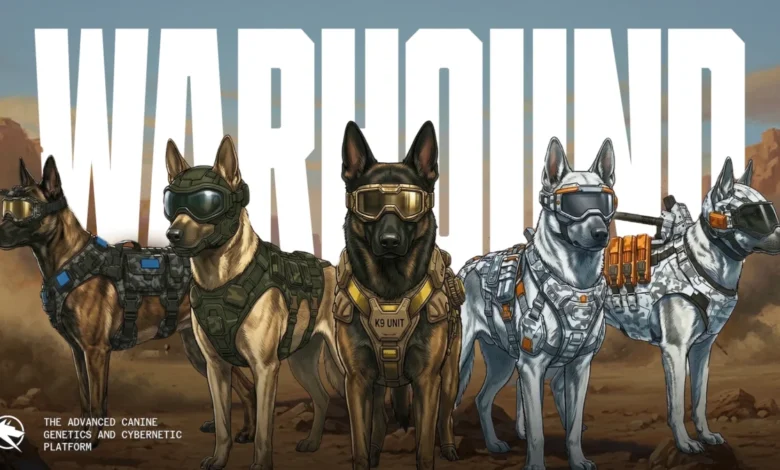
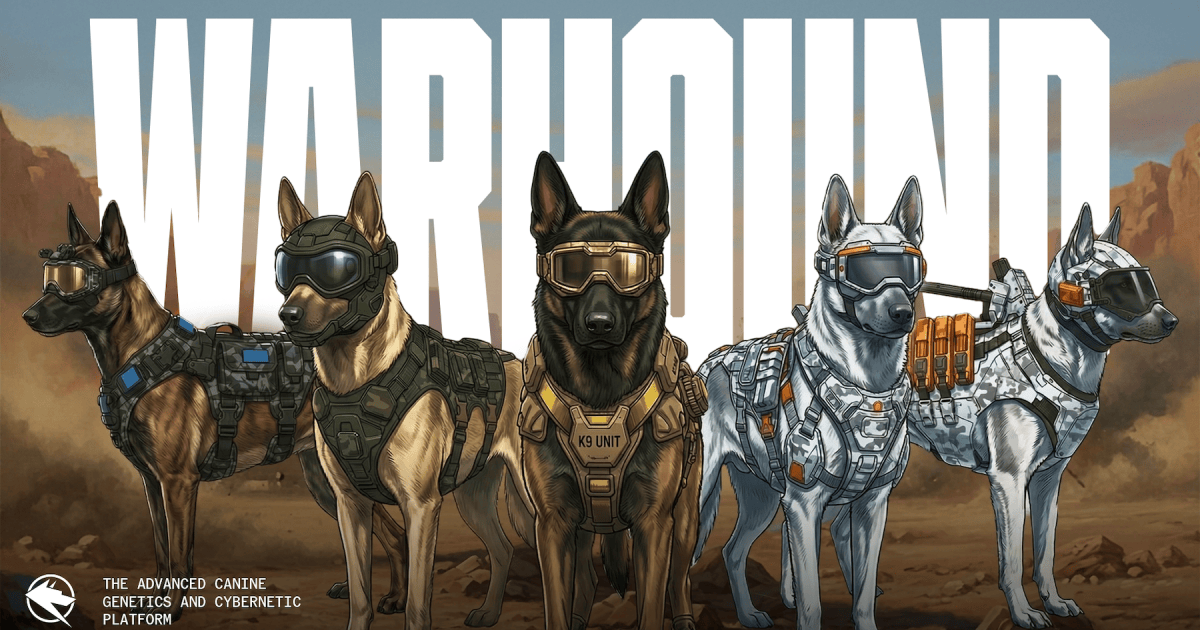
The boundaries separating science fiction from contemporary defense and biotechnology are continuing to blur following a major market revelation regarding the intersection of military logistics and genetic engineering. Tech-sector billionaires Ben Lamm and Palmer Luckey have officially stepped out of stealth mode with a newly formed enterprise named Warhound, securing an impressive $200 million in seed funding to pioneer the breeding and genetic enhancement of working canines for the United States military. While the premise of bioengineered military assets immediately evokes dystopian cinematic tropes, the company’s leadership and affiliated stakeholders maintain that the startup addresses a critical operational deficit within national defense supply chains while promising transformative downstream medical benefits for domestic household pets.
The Genesis of Warhound and the Military Supply Crisis
To understand the operational rationale driving Warhound’s inception, one must examine the current procurement pipeline utilized by the United States Armed Forces. Presently, the federal government acquires more than 80 percent of its specialized working dogs from international, primarily European, breeding firms. These animals perform indispensable tactical functions across various branches of the military, ranging from explosive ordnance and narcotics detection to perimeter security, tracking, and tactical assault support.
However, the current acquisition model suffers from an exceptionally high attrition rate. Industry metrics indicate that only about half of the dogs imported from European suppliers ultimately meet the rigorous physical and psychological standards required for active field deployment. Consequently, for every 100 puppies recruited in a given year, merely 50 are deployed operationally three years later. This inefficiency creates a severe capability gap for military units that rely heavily on canine assets for asymmetric warfare, counter-terrorism, and force protection.
Warhound seeks to bypass these systemic vulnerabilities through advanced biotechnology. By leveraging cloning methodologies and genetic modification techniques pioneered by Colossal Biosciences—the de-extinction and genetic rescue company co-founded by Ben Lamm—Warhound aims to produce standardized, highly resilient military working dogs engineered specifically for optimal performance, stress tolerance, and physiological longevity.
Leadership Structure and Strategic Partnerships
The formation of Warhound brings together a formidable coalition of technological innovation, defense sector expertise, and venture capital. Ben Lamm, whose work with Colossal Biosciences captured global attention following the company’s announcement regarding the functional restoration of the dire wolf, will serve on Warhound’s board of directors. Alongside Lamm is Palmer Luckey, founder of defense tech unicorn Anduril Industries, whose deep familiarity with Pentagon procurement channels and autonomous defense systems provides Warhound with immediate institutional integration potential.
To steer day-to-day operations, the startup has appointed former U.S. Marine David Spirk as its Chief Executive Officer. Spirk brings high-level government and intelligence experience to the enterprise, ensuring that Warhound’s technological developments align closely with the tactical requirements of the Department of Defense.
Despite the heavy defense-centric orientation of its founders, Warhound has proactively sought to address ethical concerns surrounding animal welfare. The startup announced a formal partnership with the American Humane Society, a venerated animal welfare organization. Under this agreement, the American Humane Society has committed to certifying Warhound’s training protocols, ensuring ethical treatment standards during development, and overseeing the eventual retirement and adoption processes that reunite military working dogs with their former handlers.
The Science of Enhancement: From Tactical Canines to Civilian Pets
While Warhound’s primary institutional client remains the U.S. military, the underlying genetic technology carries profound implications for veterinary science and civilian pet ownership. The intersection of defense technology and commercial pet care represents a unique economic and scientific frontier, raising questions about how military-grade biological optimization could eventually trickle down to the public.
In detailed communications addressing the broader implications of the startup’s research, Ben Lamm emphasized that the core mission centers on expanding the health span of canines.
"Our first goal is to extend health span, helping dogs stay healthier and active for longer by reducing harmful genetic variants linked to inherited diseases and muscle degeneration," Lamm stated.
While stopping short of claiming that the technology can arbitrarily add years to an animal’s lifespan—noting that it remains premature to make such definitive projections—Lamm acknowledged that addressing foundational genetic pathologies naturally contributes to longevity. Single-gene disorders, such as specific hereditary forms of muscle atrophy, are direct targets for genetic correction. Conversely, complex polygenic traits like olfactory acuity, environmental heat tolerance, agility, and overall temperament involve numerous genetic interactions compounded by training and environmental variables.
By studying proven, elite working dogs, Warhound researchers aim to isolate actionable genetic markers. The knowledge gained from these studies, Lamm suggests, will not remain sequestered within defense applications but will eventually yield therapeutics and interventions accessible to civilian pet owners.
Ethical Scrutiny and Public Reception
The public reaction to the unveiling of Warhound has been characterized by a mixture of fascination and profound ethical skepticism. The utilization of cloning and genetic modification technologies—particularly those associated with companies known for de-extinction initiatives—inevitably triggers debates regarding the ethical boundaries of bioengineering living creatures, even for national security purposes.
Critics and animal rights advocates have raised concerns over the commodification and laboratory manipulation of sentient animals. The history of military animal testing and the specialized breeding of working dogs have long been subjects of intense ethical oversight. Introducing genetic alteration into this equation elevates the debate, forcing ethicists, legislators, and scientists to confront the regulatory frameworks governing animal biotechnology.
In an effort to mitigate these concerns, Warhound has emphasized transparency regarding certain aspects of its medical interventions. While Colossal Biosciences has historically open-sourced much of its conservation technology to global partners, Warhound has not yet committed to a fully open-source model for its defense-related proprietary systems. However, Lamm has confirmed that commercialized therapeutics resulting from the venture—specifically those designed to correct debilitating canine conditions like hip dysplasia and muscle atrophy—will be made available to the broader veterinary market.
Broader Implications for Biotechnology and Defense
The emergence of Warhound signals a broader paradigm shift in how private-sector venture capital intersects with national security and biotechnology. Over the past decade, venture-backed defense tech startups have disrupted traditional defense contracting models, bringing Silicon Valley agility to hardware, software, and autonomous systems. Warhound represents the logical extension of this trend into the biological domain.
If successful, Warhound could permanently alter how the U.S. military secures its canine workforce, replacing an unreliable international supply chain with a domesticated, genetically optimized domestic supply. Furthermore, the commercialization of canine gene-therapy products could revolutionize veterinary medicine, offering millions of pet owners preventative and therapeutic tools to combat hereditary diseases that traditionally shorten the lives of beloved domestic animals.
As the regulatory, ethical, and scientific dimensions of Warhound’s operations continue to unfold, the enterprise stands at the vanguard of a controversial yet undeniably transformative era in biotechnology. Whether the public will ultimately embrace the normalization of genetically enhanced animals remains to be seen, but the bridge between military necessity and domestic veterinary care has officially been constructed.