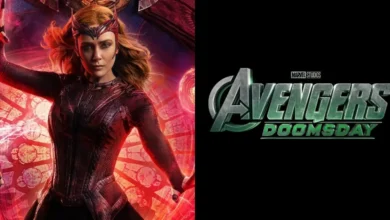
Avengers Doomsday Enters Production Reshoots Featuring Key Marvel Cinematic Universe Talent

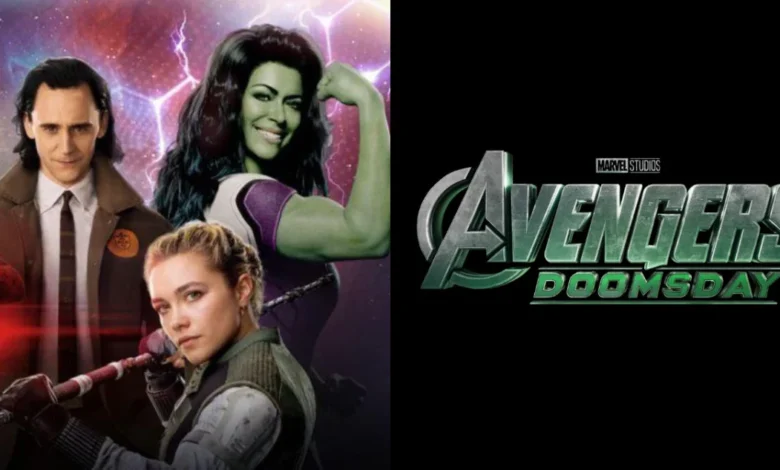
The Marvel Cinematic Universe (MCU) is currently moving forward with significant production adjustments for its upcoming tentpole feature, Avengers: Doomsday. While industry-standard reshoots are a routine phase in the development of high-budget blockbuster films, the specific involvement of high-profile cast members has generated considerable interest regarding the film’s narrative direction. Reliable industry reports indicate that production teams have recalled four primary actors to the set to refine sequences and capture additional footage intended to solidify the emotional and structural framework of the project.
The inclusion of Florence Pugh, David Harbour, Ryan Reynolds, and Hugh Jackman in these current production efforts marks a notable milestone in the film’s post-production phase. As Marvel Studios prepares for the 2026 theatrical release, these supplementary filming sessions serve as a critical component in ensuring that the ambitious crossover event meets the narrative standards established by the studio’s previous multi-film arcs.
The Context of Production Reshoots in Modern Filmmaking
In contemporary Hollywood, particularly within the genre of large-scale superhero cinema, reshoots—often officially classified as "additional photography"—are an integral part of the creative process. These sessions are rarely indicative of production failure; rather, they are a strategic tool used by directors and producers to clarify plot points, enhance visual effects integration, or adjust pacing based on internal test screenings and editorial refinements.
For a project as expansive as Avengers: Doomsday, which serves as a pivotal bridge between the conclusion of the Multiverse Saga and the subsequent installment, Avengers: Secret Wars, the stakes remain exceptionally high. Marvel Studios has historically utilized these sessions to interweave characters from disparate franchises into a cohesive narrative. By bringing back established talent, the production team can ensure that the transition between standalone stories and the unified Avengers threat is seamless.
Analyzing the Cast Involvement
The roster of actors currently participating in these sessions highlights the studio’s focus on both established MCU figures and recently integrated characters from the former 20th Century Fox portfolio.
Florence Pugh, reprising her role as Yelena Belova, and David Harbour, as the Red Guardian, represent the grounded, character-driven side of the Marvel narrative. Their presence suggests that the film intends to maintain a focus on the personal stakes of the "New Avengers" roster. Their performances in the 2021 film Black Widow and the subsequent Thunderbolts* project have established them as audience favorites, and their inclusion in Avengers: Doomsday implies that their story arcs will carry significant weight in the broader conflict against the antagonist, Doctor Doom.
Conversely, the reported involvement of Ryan Reynolds (Deadpool) and Hugh Jackman (Wolverine) introduces a multiversal dynamic that has been central to the MCU’s storytelling since the introduction of the multiverse in projects like Spider-Man: No Way Home and Doctor Strange in the Multiverse of Madness. Following the financial and critical success of Deadpool & Wolverine, the integration of these characters into the Avengers framework represents a major logistical and creative undertaking for Marvel Studios.
Chronology and Development Timeline
The path to Avengers: Doomsday has been defined by a series of strategic pivots. Following the initial announcement of the film’s title and the casting of Robert Downey Jr. as Victor Von Doom, the project replaced the previously slated Avengers: The Kang Dynasty. This shift necessitated a rapid realignment of the script and character trajectories.

- July 2024: Marvel Studios officially announces Avengers: Doomsday at San Diego Comic-Con, confirming the return of the Russo Brothers to the director’s chair and the casting of Robert Downey Jr.
- Late 2024 – Early 2025: Principal photography commences, involving a global production footprint to capture the scale required for an Avengers-level threat.
- March 2025: Reports emerge regarding the initiation of additional photography, signaling the transition into the mid-to-late production phase.
- December 2026: Scheduled worldwide theatrical release.
This timeline reflects an accelerated development cycle, typical of Disney’s recent efforts to streamline the production pipeline of the MCU. By addressing specific character beats now, the studio aims to avoid the complications of last-minute narrative revisions during the final stages of digital effects rendering.
Narrative Implications and Industry Speculation
While official plot details remain under strict confidentiality, the nature of these reshoots invites speculation regarding the structural hierarchy of the film. Industry insiders have noted that the appearance of high-profile "legacy" characters like Wolverine and Deadpool suggests a narrative structure that utilizes the multiverse as a catalyst for the central conflict.
The rumor that these characters may have a limited presence at the beginning of the film, only to return in a more significant capacity for the sequel, aligns with the cyclical nature of the Secret Wars storyline in Marvel Comics. In the source material, the destruction and subsequent rebirth of the universe provide the backdrop for the characters’ motivations. Should these rumors hold true, the current reshoots are likely designed to tighten the emotional impact of the initial conflict, ensuring that the stakes are clearly communicated to the audience before the inevitable multiversal collapse.
The Strategic Importance of the New Avengers
The focus on Florence Pugh and David Harbour suggests that Marvel is placing significant emphasis on the next generation of heroes. As the original Avengers cast moves into legacy roles or exits the franchise, the studio must establish new emotional anchors. The "New Avengers" team-up is not merely a plot device; it is a long-term business strategy to ensure the longevity of the MCU intellectual property. By utilizing additional photography to deepen the bond between the Yelena Belova and Red Guardian characters, Marvel is investing in the audience’s long-term attachment to these figures.
Broader Impact on the Marvel Cinematic Universe
The success of Avengers: Doomsday will serve as a bellwether for the health of the superhero genre. As market saturation becomes a growing concern for major studios, the ability of Marvel to deliver a cohesive, high-quality narrative is paramount. The logistical feat of coordinating the schedules of four major stars for reshoots is a testament to the budget and organizational capacity of the studio, but it also underscores the complexity of managing an interconnected cinematic universe.
Furthermore, the integration of characters from outside the traditional MCU timeline—specifically those originating from the X-Men and Deadpool franchises—requires careful management to maintain the internal logic of the universe. If these reshoots succeed in balancing the grounded stakes of the Russian-based characters with the high-concept multiversal stakes of the X-Men characters, it will validate the studio’s decision to move toward more experimental crossover events.
Conclusion
As the film moves toward its December 2026 release date, the importance of these current production efforts cannot be overstated. The return of Pugh, Harbour, Reynolds, and Jackman to the set is a clear signal that Marvel Studios is committed to refining the narrative to its highest potential. By prioritizing emotional depth and character cohesion, the production team is working to ensure that Avengers: Doomsday resonates with both long-time comic book readers and general audiences alike.
While the industry continues to speculate on the specific outcomes of these reshoots, the objective remains clear: to deliver a cinematic experience that honors the legacy of the Avengers while pushing the boundaries of what the Marvel Cinematic Universe can achieve. As production continues, the focus will likely shift from the mechanics of the shoot to the broader promotional campaign, as fans await further insights into how these disparate heroes will ultimately unite against the impending threat of Doctor Doom.
Related posts: