The Multi-Million Dollar Deadlock: Why Netflix and Xbox’s Massive Video Game Licensing Deal Collapsed

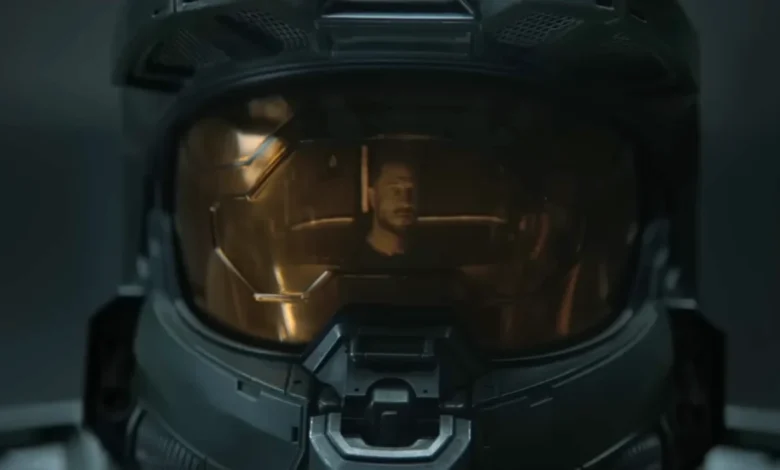
The high-stakes intersection of Hollywood and the video game industry recently hit a major roadblock when a sprawling, multi-million-dollar exclusive content partnership between streaming titan Netflix and gaming giant Xbox completely dissolved. According to industry reports, the negotiations fell apart over a substantial valuation gap, with Netflix proposing a $500 million investment and Xbox countering with an $800 million price tag for a seven-year blanket licensing agreement.
The breakdown of these talks highlights the escalating financial value of top-tier intellectual property in an era where traditional media companies are desperately seeking reliable, built-in audiences. As video game adaptations continue to dominate box offices and streaming charts, the economic tug-of-war between publishers and distributors has never been more intense.
The Anatomy of a Failed Megadeal
The confidential negotiations were initially spearheaded on the streaming side by former Netflix Chief Content Officer Bela Bajaria. The proposal on the table envisioned a sweeping, exclusive seven-year partnership. Under this arrangement, Netflix would secure the rights to adapt a wide swathe of Xbox’s stable of video game franchises into streamable feature films and episodic television series.
To secure this extensive catalog, Netflix initially tabled a $500 million offer. While half a billion dollars represents a staggering sum in traditional entertainment development, leadership at Xbox viewed the valuation as insufficient for the sheer volume and cultural footprint of their intellectual property library. Led by Xbox CEO Asha Sharma and the division’s business affairs team, the gaming company responded with a counter-offer of $800 million.
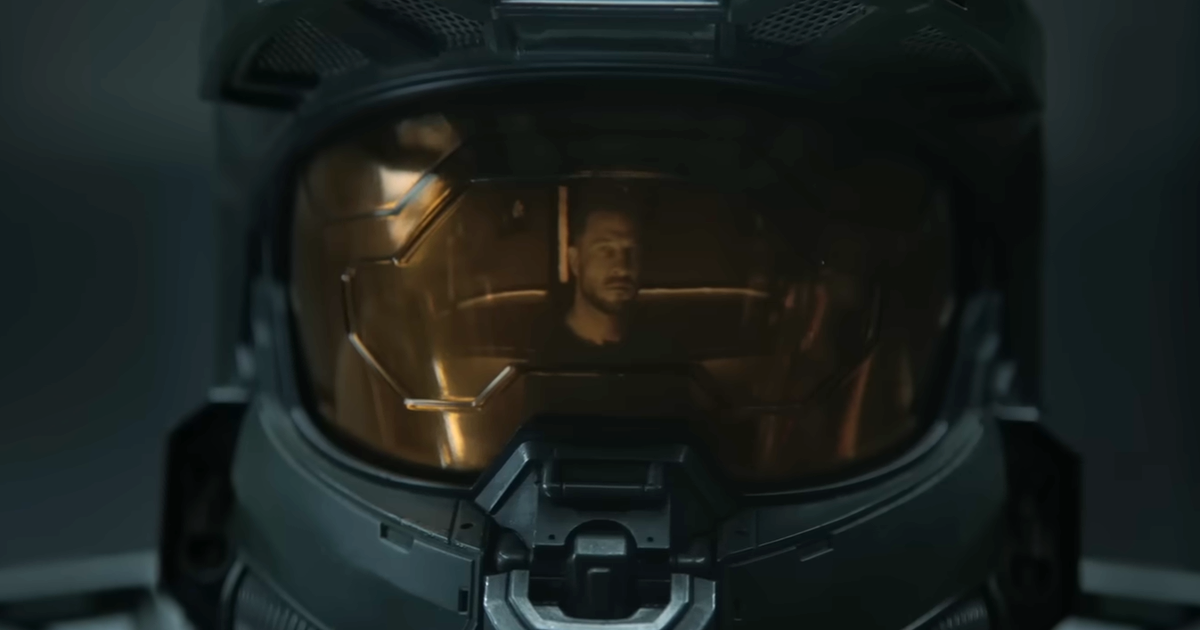
That $300 million discrepancy proved insurmountable. The counter-proposal triggered internal pushback within Netflix’s financial department, most notably from Chief Financial Officer Spence Neumann, who ultimately deemed the $800 million price tag an unviable investment. Compounding the friction, the departure of Bela Bajaria from Netflix removed a key internal champion for the ambitious acquisition. With differing internal priorities and a widening valuation gap, the negotiations quietly fizzled out, leaving both corporate giants to pursue alternative strategies.
A Complex Web of Existing Adaptations
The collapse of this blanket agreement does not mean Xbox properties are entirely absent from screens. The gaming landscape is remarkably fragmented regarding media rights, with various studios and streaming platforms already holding licenses for specific high-profile franchises.
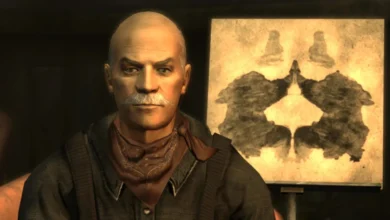
Long before the Netflix talks commenced, Xbox properties had already found homes across competing studios and networks. Amazon MGM Studios, for instance, has aggressively staked a claim in the gaming adaptation space. Alongside its critically acclaimed and heavily viewed Fallout television series—which recently progressed toward its third season—Amazon is actively developing a live-action series based on the iconic Wolfenstein franchise.
Concurrently, Paramount Pictures has leaned into the military shooter space, steering a blockbuster film adaptation of the massively popular Call of Duty modern warfare universe. These existing arrangements underscore the reality that major gaming publishers rarely keep all their eggs in one basket, preferring a piecemeal licensing strategy that maximizes competitive bidding among Hollywood studios.
Ongoing Collaborations and Future Pipelines
Despite the failure of the $800 million omnibus deal, the relationship between Netflix and Xbox remains cooperative on specific, project-by-project endeavors. The two entertainment behemoths are actively collaborating on several high-profile animated and live-action ventures.

Among the most anticipated joint projects currently in production are animated series based on the global sandbox phenomenon Minecraft and Blizzard Entertainment’s dark fantasy franchise Diablo. Additionally, a long-gestating live-action film adaptation of Gears of War remains in the pipeline at Netflix, despite enduring years of development hell before gaining sustainable momentum.
The synergy between gaming and streaming was further emphasized at BlizzCon 2026, where Blizzard Entertainment President Johanna Faries teased attendees with the prospect of expansive cinematic universes for other powerhouse properties, including Overwatch and Warcraft. These developments signal that while a massive, overarching exclusivity window is off the table, targeted partnerships between the two companies will continue to yield fruit.
The Broader Economics of Video Game Adaptations
The breakdown of the Netflix-Xbox negotiations occurs against a backdrop of unprecedented demand for video game intellectual property in Hollywood. The modern gold rush for game adaptations was catalyzed by a string of massive, verifiable hits that proved interactive media could successfully cross over into passive cinematic and episodic formats.
The commercial and critical triumphs of recent years have rewritten the Hollywood playbook. Projects such as HBO’s prestige adaptation of The Last of Us, Illumination’s record-shattering Super Mario Bros. animated duology, Amazon’s Fallout, and Paramount’s multi-film Sonic the Hedgehog franchise have demonstrated immense staying power and broad demographic appeal. Even the horror genre saw a revitalization with this year’s acclaimed Resident Evil reboot, which proved that faithful yet modernized storytelling can win over both purists and mainstream audiences.
However, the adaptation landscape is not without its pitfalls. Studios are learning that not every beloved franchise guarantees a cultural or financial windfall. The mixed critical and commercial receptions of this year’s Street Fighter reboot and Mortal Kombat 2 serve as cautionary tales, reminding studio executives that translating a controller-based experience into a compelling narrative is fraught with creative and financial risk.

Implications for the Industry
The failed $800 million negotiation signals a maturation—and potential hardening—of the business relationship between Silicon Valley tech giants, streaming platforms, and traditional game publishers. Game publishers like Xbox are increasingly cognizant of the true value of their intellectual property, recognizing that characters and lore nurtured over decades represent irreplaceable cultural assets.
Rather than locking themselves into long-term, exclusive wholesale agreements that risk undervaluing their portfolios, publishers appear increasingly inclined to adopt a selective licensing model. By negotiating project-by-project or studio-by-studio, companies like Xbox can retain creative oversight, drive competitive bidding wars among rival platforms, and maximize profitability for each individual property.
As Xbox continues to explore smaller, more flexible licensing agreements moving forward, the entertainment industry watches closely. The era of cheap game adaptations is officially over; publishers now command top-dollar figures, and streaming services must carefully weigh whether the exorbitant cost of nostalgia-driven IP translates into sustainable subscriber growth.