The Closure of BioWare and the Cancellation of Mass Effect 5 Mark the End of an Era for Electronic Arts and Single-Player Role-Playing Games

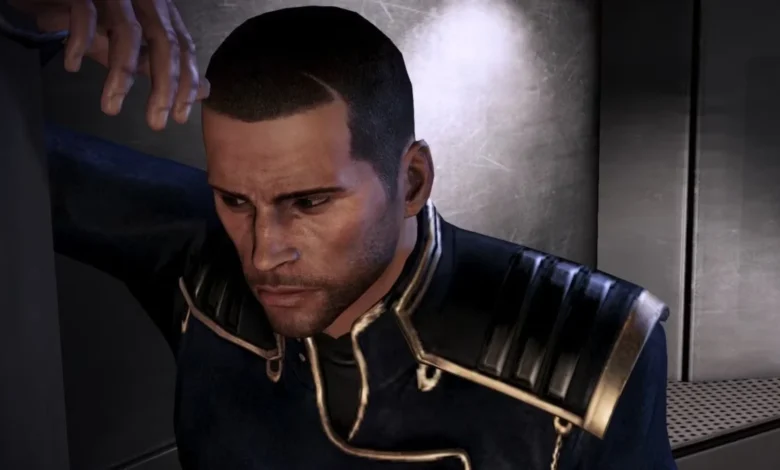
The interactive entertainment industry is mourning the loss of one of its most storied development houses following a sweeping corporate restructuring at Electronic Arts. EA has officially closed BioWare, the legendary Edmonton-based studio responsible for genre-defining franchises such as Mass Effect, Dragon Age, Star Wars: Knights of the Old Republic, and Jade Empire. This closure abruptly halts the pre-production of the highly anticipated next installment in the Mass Effect series, a project that approximately 50 remaining developers were actively shaping.
The shuttering of BioWare not only impacts a deeply dedicated workforce that endured years of industry volatility, but it also signals a profound strategic shift for Electronic Arts. As EA pivots away from complex, narrative-driven single-player role-playing games to focus heavily on live-service frameworks, sports titles, and blockbuster shooters, the gaming landscape loses a vital pioneer of choice-driven storytelling.
Behind Closed Doors: What Could Have Been in Mass Effect 5
In the wake of the studio’s closure, former BioWare employees have begun to reveal glimpses of the ambitious vision they were cultivating for the next chapter of Commander Shepard’s universe or the broader Mass Effect mythos. Tony de Waal, a veteran cinematics lead who spent years contributing to both the Mass Effect and Dragon Age series, took to professional networking platforms to share a rare retrospective on the unreleased project.
According to de Waal, the core development team was striving to achieve a standard of narrative agency and systemic reactivity that had never before been realized in interactive media. The developers had carefully analyzed contemporary critical darlings, noting the groundbreaking player freedom found in Larian Studios’ Baldur’s Gate 3 alongside the mature, intricately woven worlds crafted by CD Projekt Red in titles like The Witcher 3: Wild Hunt and Cyberpunk 2077.
Armed with these benchmarks, the BioWare team sought to elevate the traditional Mass Effect formula, pushing the boundaries of player autonomy while fiercely preserving the narrative DNA that defined the original trilogy. While specific plot points and gameplay mechanisms remain shielded by non-disclosure agreements, de Waal’s commentary paints a picture of a talented, undersized studio punching significantly above its weight class to deliver a generational masterpiece. The abrupt termination of the project ensures that players will never experience the culmination of those creative efforts, turning what was once a beacon of hope for sci-fi RPG fans into a lingering "what-if" scenario.
A Timeline of Corporate Restructuring and Financial Pressure
The demise of BioWare did not occur in a vacuum; rather, it was the culmination of a protracted corporate evolution and shifting macroeconomic conditions within Electronic Arts. To understand how one of the industry’s crown jewels was dismantled, it is necessary to examine the timeline of events leading up to the final closure notice.
In late 2023 and throughout 2024, rumors swirled regarding the stability of major multi-platform publishers as production costs soared and development cycles lengthened. Amid this climate, Electronic Arts found itself at the center of monumental corporate maneuvers. Roughly a year prior to the studio’s closure, BioWare management aggressively moved to reassure anxious fans that the next Mass Effect was safely in development, releasing concept art and teaser trailers designed to maintain consumer confidence despite ongoing internal shake-ups.
Parallel to these production efforts, corporate financiers were orchestrating a massive structural transformation behind closed doors. News broke of a colossal $55 billion private acquisition of Electronic Arts by an international consortium of investors, which reportedly included sovereign wealth entities such as Saudi Arabia’s Public Investment Fund, alongside prominent private equity backers. As regulatory hurdles were cleared and the multi-billion-dollar buyout was finalized, the newly private corporate entity initiated rigorous financial audits and aggressive cost-cutting measures.
Industry analysts had long predicted that a buyout of this magnitude would inevitably lead to structural downsizing, particularly within divisions that require extensive development timelines, high budgets, and uncertain return-on-investment timelines. BioWare, having weathered years of mixed critical reception for titles like Anthem and the lengthy, arduous development cycles of Dragon Age: The Veilguard, ultimately became a casualty of these hard-nosed corporate balance sheets.
The Strategic Retreat of Electronic Arts from Narrative RPGs
The closure of BioWare represents a watershed moment for Electronic Arts and its broader corporate portfolio. For decades, EA maintained a diversified portfolio that balanced massive multiplayer cash cows—such as Madden NFL, EA Sports FC, and Apex Legends—with prestigious, critically acclaimed single-player storytelling experiences.
With BioWare now shuttered, EA’s footprint in the traditional single-player action-adventure and RPG space has shrunk to a fragile shadow of its former self. Outside of casual titles and sports franchises, the publisher’s remaining non-multiplayer pipeline is remarkably sparse. Current projections indicate that EA’s major single-player initiatives are now restricted to an unannounced sequel in Respawn Entertainment’s Star Wars Jedi series, alongside the long-awaited, yet-to-be-revealed Marvel’s Iron Man project, also helmed by Motive and EA partners.
The systematic winding down of internal studios dedicated to narrative-heavy games reflects a broader industry trend. Major publishers are increasingly hesitant to invest the hundreds of millions of dollars required to build sprawling role-playing worlds over five-to-seven-year development cycles, especially when live-service monetization models offer more predictable and recurring revenue streams.
Industry Reactions and Human Cost
Beyond the corporate strategy and missed creative opportunities, the most devastating aspect of BioWare’s closure is the human toll. Approximately 50 developers who were actively laying the groundwork for the next Mass Effect have found themselves abruptly out of work in an exceptionally hostile job market.
Throughout the video game industry, mass layoffs and studio closures have become an alarming norm, with thousands of developers losing their livelihoods despite record-breaking global revenues for the sector as a whole. Colleagues and industry observers have rallied around the affected BioWare staff, praising their resilience, talent, and dedication to their craft under increasingly difficult working conditions.
In his farewell statement, Tony de Waal urged the broader gaming community to remember the developers who stood by BioWare through its final, turbulent chapters. These engineers, artists, writers, and designers represented a direct link to the golden age of Western role-playing games—an era when complex moral choices, deeply realized companion characters, and sweeping galactic narratives were the gold standard of AAA development.
Looking Ahead: The Void Left by BioWare
As the dust settles on EA’s Edmonton campus, the long-term implications for the Mass Effect franchise and the RPG genre at large remain uncertain. It is currently unknown whether Electronic Arts will ever outsource the intellectual property to another studio, or if the universe of the Normandy, the Reapers, and the Citadel will be permanently shelved.
What is certain, however, is that the closure of BioWare marks the extinction of a distinct development philosophy. The studio that once taught a generation of gamers that choices matter, that companions could become lifelong virtual friends, and that science fiction could be rendered with emotional depth, is no more. For millions of fans who grew up exploring the galaxy alongside Garrus, Liara, and Commander Shepard, the cancellation of Mass Effect 5 is not merely the loss of a sequel—it is the closing of a beloved chapter in interactive history that will be exceptionally difficult for the modern gaming industry to ever replicate.