Rockabye Baby! Releases New Instrumental Halloween Lullaby Collection for the Spooky Season

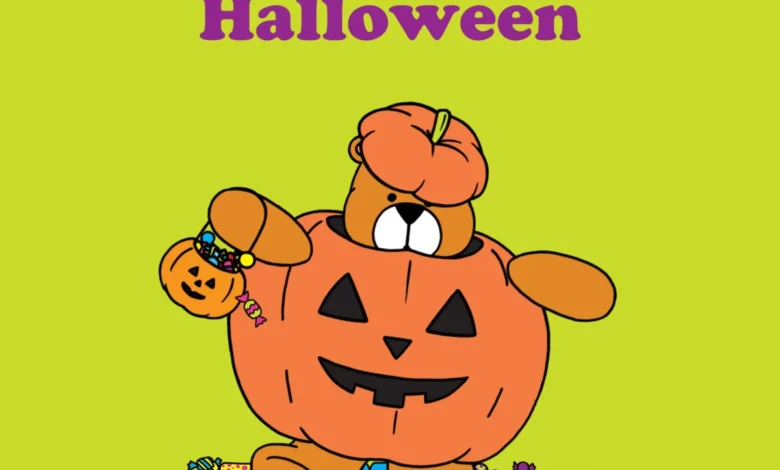
The specialized children’s music label Rockabye Baby! has officially expanded its extensive catalog of soothing, instrumental lullaby renditions with the release of a new seasonal compilation titled Rockabye Baby! Halloween. Known for transforming high-energy rock, pop, and alternative anthems into gentle, xylophone-and-glockenspiel-driven compositions designed to lull infants to sleep, the brand is leaning directly into the macabre aesthetic of the autumn months. Available for digital preorder and streaming across major platforms, the six-track record strips down iconic horror-adjacent and Halloween-themed staples into quiet, sleep-ready arrangements tailored for nurseries.
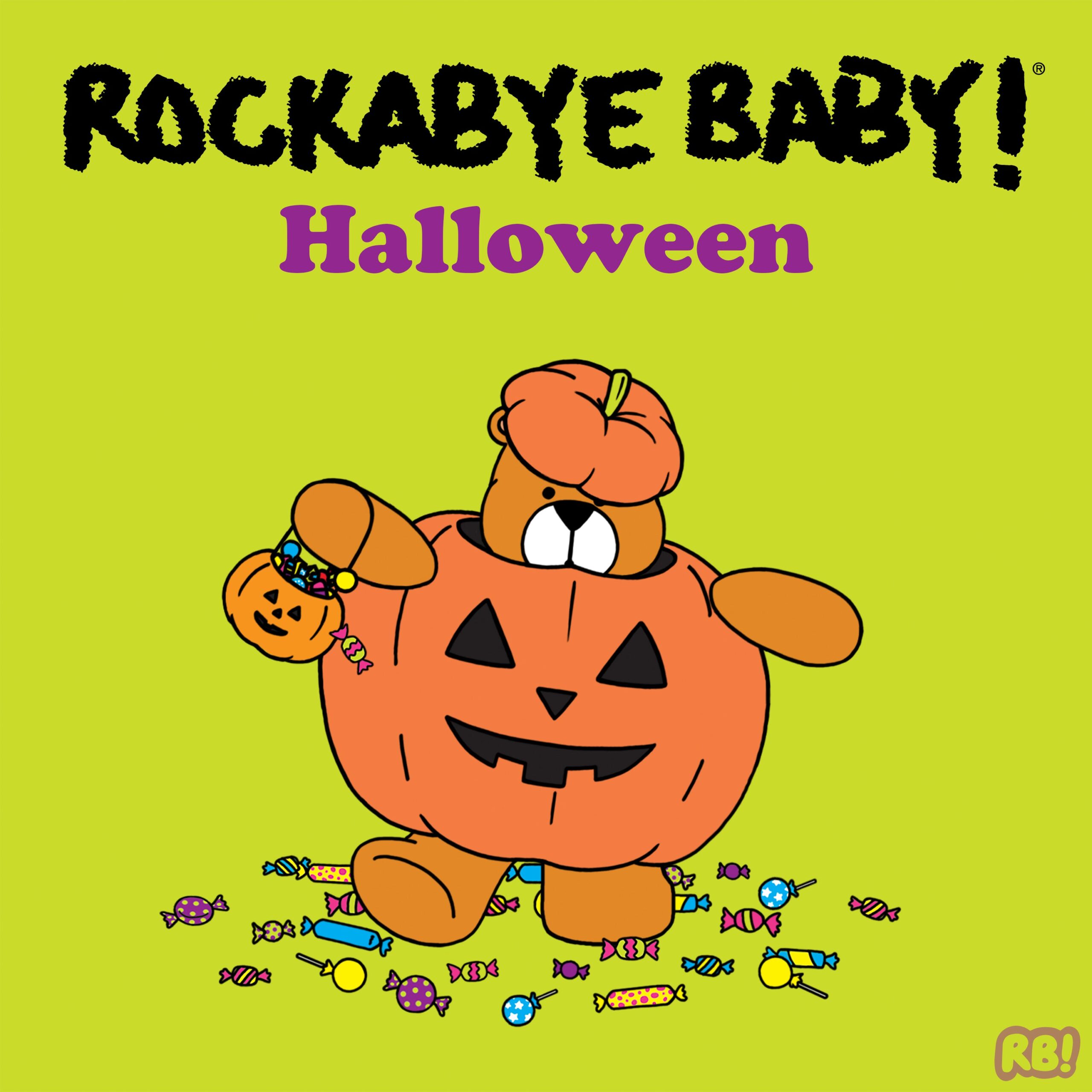
The curated tracklist pulls from various corners of cinematic horror, classic rock, and seasonal novelty hits. Among the selections are Danny Elfman’s whimsical yet eerie "This Is Halloween" from Henry Selick’s 1993 stop-motion classic The Nightmare Before Christmas, Ray Parker Jr.’s ubiquitous 1984 pop-supernatural anthem theme from Ghostbusters, and Screamin’ Jay Hawkins’ howling rhythm and blues standard "I Put a Spell on You." Rounding out the six-track sequence are the title track from Oingo Boingo’s 1985 dark-wave record Dead Man’s Party, The Ramones’ punk-rock graveyard ode "Pet Sematary" originally written for Stephen King’s 1989 film adaptation, and The Doors’ psychedelic standard "People Are Strange."

As parents and horror enthusiasts alike navigate the seasonal shift, Rockabye Baby! Halloween highlights a growing cultural trend of bridging generational pop-culture tastes with early childhood development tools. The album is currently available for digital purchase at $9.99 through the official Rockabye Baby! web store, alongside widespread streaming availability on Spotify, Apple Music, and Amazon Music. Whether the physical edition or streaming platform tracklists will feature hidden bonus tracks remains unconfirmed by the label.

Chronology and Evolution of the Lullaby Brand
The trajectory of Rockabye Baby! reflects a significant shift in how parents approach early childhood media. Founded in 2006 by母 company CM Distribution (later evolving under parent operations like Twin Music Inc.), the brand carved out a distinct niche in the music industry by asking a simple question: What if babies could rock out while falling asleep?
In its early years, the label focused primarily on foundational classic rock acts, releasing instrumental lullaby tributes to bands like The Beatles, Led Zeppelin, Metallica, and Nirvana. These releases were largely marketed as tongue-in-cheek novelty gifts for music-loving hipsters transitioning into parenthood. However, as streaming platforms democratized music consumption and the market for niche ambient music expanded, Rockabye Baby! systematically broadened its scope.
Over nearly two decades of operation, the label has published upwards of 100 albums, moving far beyond classic rock into hip-hop (covering artists like Drake, Eminem, and Snoop Dogg), pop icons (Taylor Swift, Beyoncé, and Lady Gaga), and alternative luminaries (Radiohead, The Smiths, and Foo Fighters). The introduction of thematic, holiday-specific releases—such as Christmas compilations and now a dedicated Halloween collection—represents a natural maturation of the brand’s catalog strategy. By tapping into seasonal cultural peaks, the label successfully converts holiday enthusiasm into evergreen streaming revenue and physical merchandise sales.
Supporting Data and Market Demographics in Parental Audio
The commercial viability of sleep-inducing ambient music and lullaby adaptations is supported by shifting trends in family audio consumption and child psychology. According to various market research reports within the children’s entertainment sector, audio streaming specifically targeted toward infants and toddlers has experienced double-digit year-over-year growth since 2020.
Parents today are increasingly intentional about their household sonic environment, prioritizing "brown noise," "white noise," and gentle instrumental music to regulate infant circadian rhythms and promote healthy sleep hygiene. Furthermore, millennial and Generation Z parents—demographics heavily saturated with individuals who grew up listening to alternative rock, punk, and horror-adjacent subcultures—exhibit a strong preference for media that reflects their personal identities rather than traditional, generic nursery rhymes.
Data from independent music distributors indicate that niche instrumental cover albums generate consistent, long-tail streaming revenue. Unlike traditional pop singles that experience rapid spikes followed by sharp declines, lullaby albums maintain steady playback loops throughout the year, driven by nightly bedtime routines. Seasonal releases like Rockabye Baby! Halloween experience predictable spikes in October, aligning with broader consumer spending trends around Halloween decor, family-friendly spooky media, and themed consumer goods.

Artist Legacy and Track Selection Analysis
The six tracks chosen for Rockabye Baby! Halloween represent a carefully calculated cross-section of spooky pop culture, balancing mainstream cinematic nostalgia with cult-classic musical heritage.
- "This Is Halloween" – Danny Elfman (The Nightmare Before Christmas): Serving as the quintessential modern Halloween anthem, Elfman’s composition establishes the theatricality of the holiday. In lullaby form, the frantic choral arrangements and brass sections are replaced by soft bells and music-box mechanics, stripping away the cinematic anxiety while retaining the instantly recognizable melody.
- "Ghostbusters Theme" – Ray Parker Jr.: A commercial juggernaut since its 1984 release, Parker’s track brings an upbeat, danceable energy to the horror-comedy genre. Translating this into a lullaby requires slowing the tempo significantly, turning a funk-infused pop song into a soothing, rhythmic cadence suitable for rocking a baby to sleep.
- "I Put a Spell on You" – Screamin’ Jay Hawkins: Originally recorded in 1956, Hawkins’ track is a foundational text of shock rock and theatrical rhythm and blues. Its dramatic vocal crescendos and blues progression offer a moody, atmospheric baseline that translates surprisingly well to minimalist instrumental arrangements.
- "Dead Man’s Party" – Oingo Boingo: Long before Danny Elfman became one of Hollywood’s most sought-after film composers, he fronted the quirky, theatrical new wave band Oingo Boingo. "Dead Man’s Party" acts as a bridge between Elfman’s cinematic sensibilities and infectious 1980s pop structures.
- "Pet Sematary" – The Ramones: Written specifically for the 1989 film adaptation of Stephen King’s novel, this track represents a rare instance where punk rock successfully crossed over into mainstream horror cinema. The driving guitar distortion of the original is replaced on the album by clean, plucked strings, proving that even macabre punk anthems can find a home in the nursery.
- "People Are Strange" – The Doors: Released in 1967, Jim Morrison’s moody exploration of alienation and societal dislocation fits neatly into the gothic-folk tradition. Its minor-key progression provides a melancholic yet comforting atmosphere that aligns with ambient sleep music standards.
Industry Implications and Cultural Impact
The release of Rockabye Baby! Halloween underscores a broader commercial phenomenon: the commodification of nostalgia across all life stages. As the first generations raised on MTV, alternative rock subcultures, and blockbuster horror films enter parenthood, media companies are increasingly finding ways to monetize their childhood preferences through their children.
From a music industry perspective, instrumental cover albums occupy a unique legal and economic space. Compulsory mechanical licenses allow artists and labels to record and distribute covers of copyrighted songs without explicit permission from the original songwriters, provided standard royalty payments are rendered. For independent labels like Rockabye Baby!, this legal framework enables the rapid scaling of themed catalogs without the complex, multi-million-dollar negotiations typically required for master recordings.
Furthermore, the expansion into seasonal niche marketing points to the maturation of direct-to-consumer music retail. By offering both a physical/digital direct download option priced at $9.99 and widespread presence on subscription streaming services, the label captures both high-intent collectors and casual streaming listeners.

As cultural appreciation for horror and Halloween continues to transition from a subcultural pastime into a mainstream, multi-billion-dollar seasonal event—rivaling the winter holidays in retail spending and media consumption—products like Rockabye Baby! Halloween demonstrate that no demographic is too young to participate in the festivities. Whether these gentle arrangements actually succeed in putting infants to sleep or simply serve as an amusing novelty for sleep-deprived parents indulging their own tastes, the release cements the brand’s place as a cultural fixture in modern parenting.
Related posts: