Castlevania: Belmont’s Curse Review – Evil Empire Revives the Iconic Franchise After a Twelve-Year Hiatus

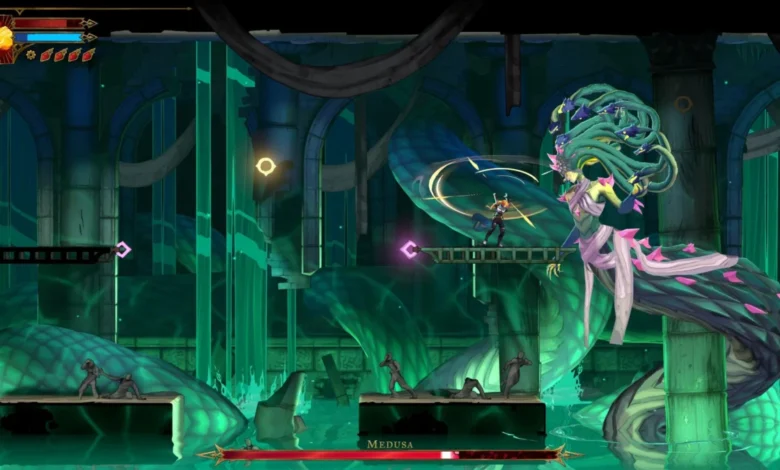
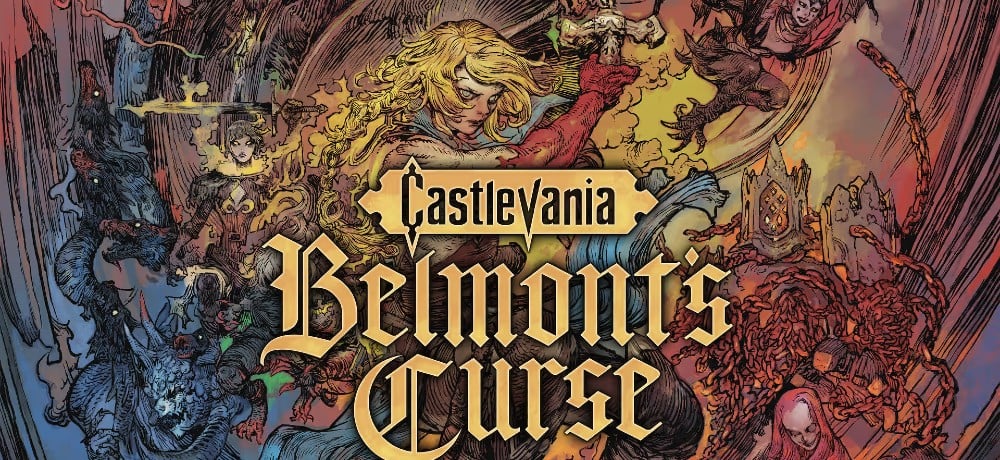
The release of Castlevania: Belmont’s Curse marks a monumental milestone for Konami’s legendary gothic horror franchise, breaking a twelve-year mainline drought that began following the launch of Castlevania: Lords of Shadow 2 in 2014. Developed by Evil Empire—the studio widely acclaimed for its extensive post-launch support and development on Dead Cells—this new entry successfully bridges the gap between classic Metroidvania exploration and modern, high-octane action platforming. Set against the historical backdrop of 1499 Europe, the title introduces players to Rose Belmont, daughter of the legendary vampire hunter Trevor Belmont, as she navigates the shadowy, demon-infested streets of Paris on a quest that ultimately leads toward the imposing shadow of Dracula’s Castle.
Main Facts and Narrative Premise
The narrative of Castlevania: Belmont’s Curse commences on a somber note as a boat carrying Trevor and Rose Belmont drifts toward a fog-shrouded Paris harbor, with the colossal, unfinished spires of the Notre Dame Cathedral looming in the distance. Serving as the primary playable protagonist, Rose finds herself thrust into a perilous scouting mission that rapidly escalates into a grand hero’s journey.
Unlike traditional protagonists of the lineage who wield the Vampire Killer whip with uncompromised authority, Rose begins her campaign burdened by a progressive curse spreading visibly across her arm. This affliction functions both as a narrative ticking clock—invoking thematic comparisons to Ninja Theory’s Hellblade: Senua’s Sacrifice—and as a vital gameplay mechanic. The curse serves as her ultimate weapon, granting her the supernatural ability to consume the souls and abilities of defeated bosses. Once a boss is vanquished and its essence absorbed, that entity becomes an internal presence, guiding Rose through subsequent regions and offering strategic commentary that influences player choice throughout the campaign.
Chronology and World Exploration
The structural framework of Castlevania: Belmont’s Curse adheres to the tenets of the Metroidvania genre while expanding its scale significantly beyond previous entries in the franchise. The game world is partitioned into four massive primary zones: the plague-ridden streets of Paris, the subterranean depths of the Catacombs, intermediate historical environments, and the sprawling expanse of Dracula’s Castle.
Navigation across this vast terrain is facilitated by the strategic return of the classic Ferryman, who acts as a localized fast-travel system between the four primary sectors. However, locating the Ferryman requires diligent exploration, as his vessel is hidden in non-obvious aquatic and subterranean routes.
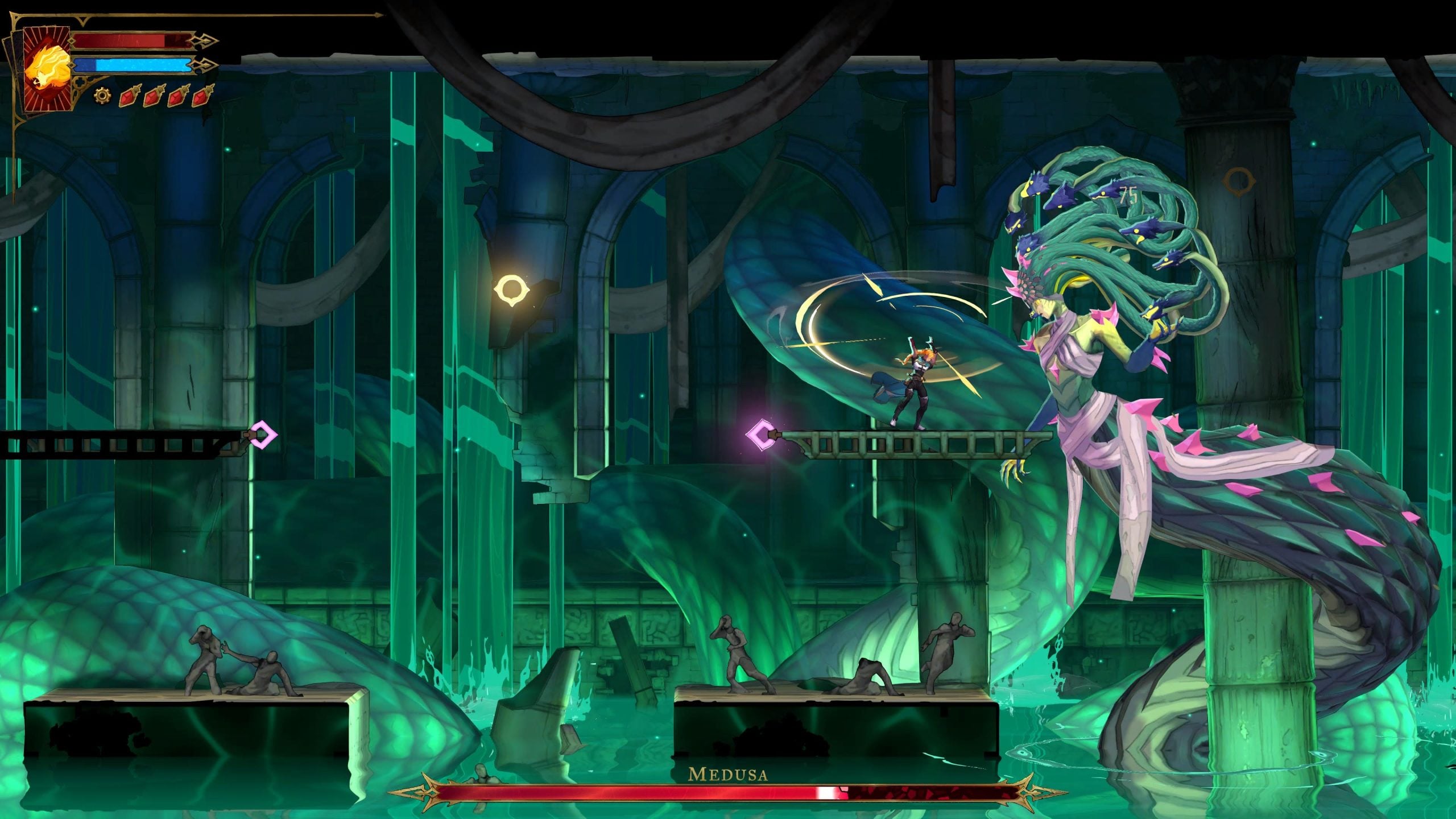
Boss encounters are intricately tied to the exploration loop through a tarot card system. Upon entering a region, bosses initially appear as blank black tarot cards within the player’s menu. By thoroughly scouring the environment for hidden clues, environmental lore, and optional encounters, these cards gradually materialize into distinct faces, revealing the identity, backstory, and location of each adversary. Engaging these optional bosses is not merely encouraged for narrative context; it is vital for acquiring rare weapons and traversal upgrades necessary to survive later platforming and combat trials.
Combat Mechanics and Arsenal Diversity
Combat in Castlevania: Belmont’s Curse represents a significant evolution for the series, emphasizing speed, precision, and player expression. Evil Empire has constructed a deep combat ecosystem divided into distinct weapon categories: traditional whips, heavy two-handed swords, lightning-fast twin blades, and bare-handed fisticuffs.
Each weapon type features a four-tier progression system scaling damage values at 25, 50, 75, and 100 points. With twenty-eight unique weapons hidden across the map—frequently secured within heavily guarded gold chests or earned via boss triumphs—players are continually incentivized to experiment outside their preferred combat archetype. Furthermore, the iconic Belmont whip has been modernized to feature a grappling hook mechanic, allowing Rose to swing across chasms and execute vertical platforming maneuvers reminiscent of modern superhero action titles.
Accessibility and Industry Implications
To address the notoriously high difficulty curve historically associated with the Castlevania property, Evil Empire has implemented a comprehensive, highly customizable settings menu. Departing from traditional, static difficulty selections, the game introduces sliding scales for player damage output, incoming enemy damage, and even a toggle to prevent player death entirely.
Industry analysts have noted that this inclusion reflects a broader trend in contemporary game development aimed at balancing punishing, skill-based gameplay with broad accessibility. By offering granular controls reminiscent of sports simulation titles like NBA 2K’s MyPlayer suite, the developers ensure that newcomers and veterans alike can tailor the experience to their preferred level of challenge without fundamentally altering the core game design.
Art Direction and Visual Identity
Visually, Castlevania: Belmont’s Curse departs from the monochrome, hyper-gothic palettes of earlier titles in favor of a vibrant, colorful aesthetic. Drawing stylistic parallels to modern atmospheric horror cinema—such as Joe Begos’s vampire thriller Bliss—the game utilizes rich, saturated hues to render its historical French settings, contrasting the dread of impending death with striking environmental beauty.
Every distinct region features meticulously crafted background art and intentional "step-out moments," encouraging players to pause their progression and absorb the detailed sprite work and lighting effects. This artistic choice bridges the gap between classic 2D side-scrolling traditions and modern indie masterpieces, establishing a unique visual identity for the franchise’s modern revival.
Progression, Endings, and Critical Reception
Progression within the game requires patience and thoroughness. The narrative features multiple possible conclusions depending on the thoroughness of the player’s exploration and boss-hunting efforts. Rushing through the main objectives without clearing optional content or acquiring essential upgrades results in an abrupt, punitive ending, emphasizing the core thematic journey of Rose proving her worthiness to bear the Belmont surname.
Following a twelve-year absence from the gaming landscape, Castlevania: Belmont’s Curse has achieved critical acclaim across major review outlets, earning universal praise for its ingenious level design, responsive combat, and respectful modernization of a beloved intellectual property. Evil Empire’s successful stewardship proves that classic franchises can adapt to contemporary standards of game design while retaining the atmospheric integrity and challenging mechanics that defined a generation of gaming.