Blizzard Entertainment announces a visual overhaul for the Skyborne race in World of Warcraft: Forever to align with original 2004 aesthetic standards

The development of World of Warcraft: Forever has been defined by a constant, delicate balancing act: how to introduce fresh, engaging content while maintaining the rigorous visual and thematic fidelity of the original 2004 MMORPG experience. As the November 4 launch date approaches, Blizzard Entertainment has officially addressed a significant point of contention within the player community regarding the Skyborne—a new playable race whose high-fidelity models were criticized for appearing incongruous with the game’s iconic, "crunchy" low-poly aesthetic.
The Conflict of Modernity and Nostalgia
Since the announcement of the Skyborne, the community has been polarized. On one side, proponents of the new race appreciate the inclusion of a high-elf-inspired faction that adds mechanical variety to the gameplay loop. On the other, purists argue that the Skyborne models violate the "Classic" visual language that defines the project.
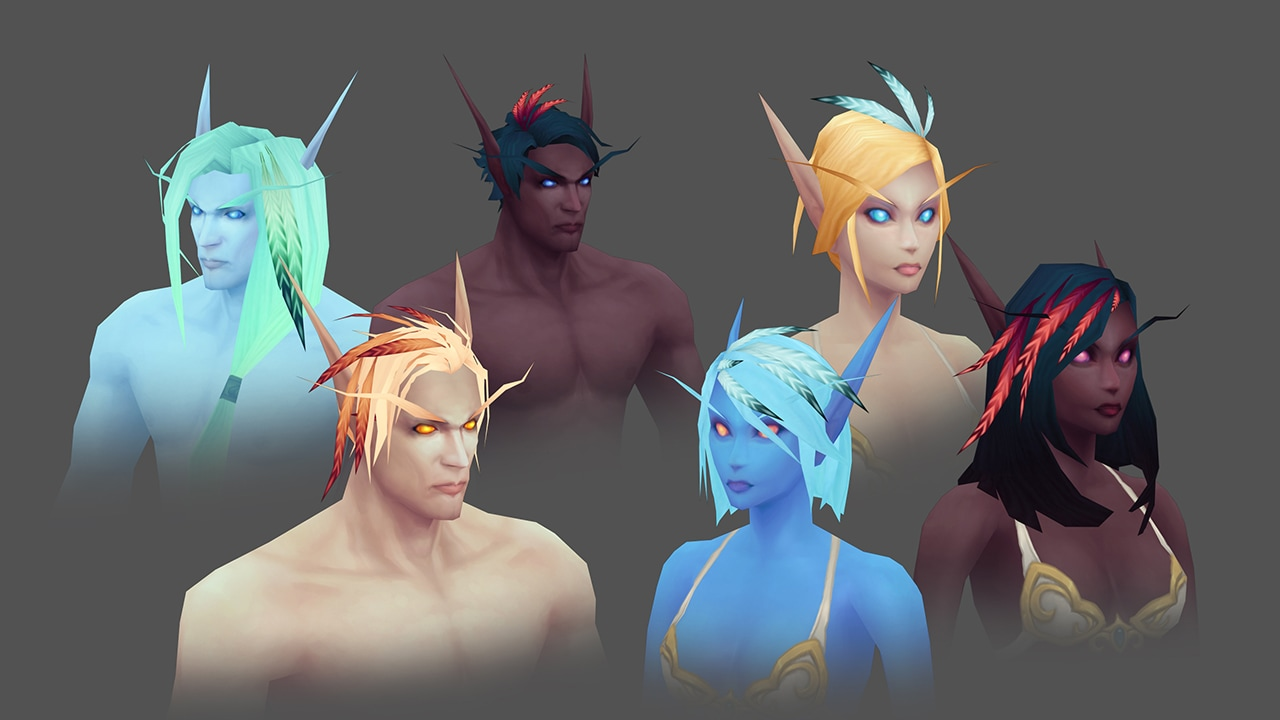
The primary point of friction originated from the graphical fidelity of the Skyborne units. When initially revealed, the models featured smooth textures, complex gradients, and sophisticated lighting effects that stood in stark contrast to the blocky, distinct, and flat-shaded models of the base game. For a project predicated on the appeal of a 20-year-old aesthetic, this discrepancy was viewed by many as a breach of trust, particularly given that the race is gated behind a $30 premium expansion-tier purchase. Critics noted that the Skyborne appeared as though they had been imported from a modern iteration of the game rather than crafted for the specific environment of World of Warcraft: Forever.
A Chronology of the Controversy
The timeline of this feedback cycle has been compressed, reflecting the urgency of the upcoming launch:
- Initial Reveal: Blizzard introduced the Skyborne as a new playable race, marketed as a fresh addition to the lore.
- Community Backlash: Within hours of the reveal, forums and social media platforms were flooded with side-by-side comparisons highlighting the "HD" nature of the Skyborne versus the "SD" nature of the original assets.
- Sustained Pressure: Over the following weeks, the debate intensified, with players arguing that the inconsistency undermined the immersion of the "Forever" experience.
- Official Response: Recognizing the validity of the design critique, Blizzard issued a formal blog post on the official World of Warcraft website, detailing a comprehensive plan to "retro-fit" the race to match the game’s legacy art style.
Technical Adjustments and Design Philosophy
In its official statement, the development team acknowledged that the initial iterations of the Skyborne "didn’t quite meet the consistency and cohesion" expected by the player base. To rectify this, the team is implementing a two-tiered visual update.
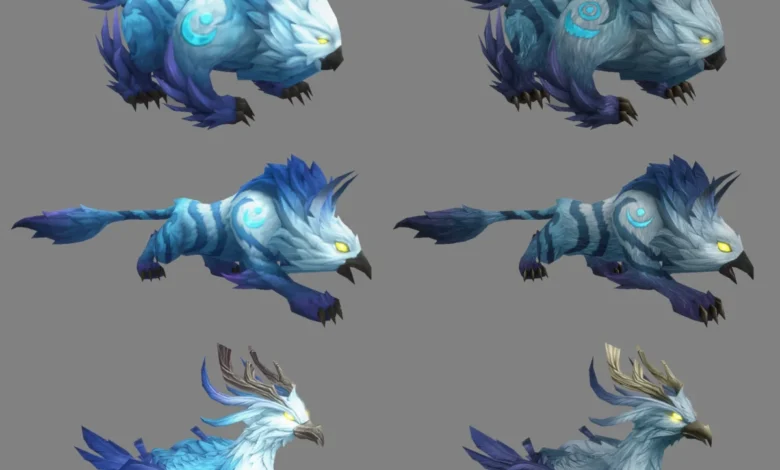
For players utilizing the "HD" settings, the upcoming patch will introduce models with harsher, more defined lines, particularly regarding the druid forms. The updated models feature textures that utilize the original color palette but replace smooth gradients with the jagged, hand-painted aesthetic characteristic of the 2004 era. Feathers, fur, and skin textures have been intentionally "downgraded" in terms of resolution to ensure they harmonize with the surrounding environment.
For the segment of the player base that opts for the "SD" or "Legacy" mode—a feature designed to replicate the exact visual experience of 2004—a second, more intensive update is scheduled for early next year. This version will feature low-poly meshes that mimic the polygon counts of original races, effectively "retro-fitting" the Skyborne into the original engine’s constraints.
The Economic and Cultural Implications
The decision to adjust these models carries significant weight for Blizzard. Charging a $30 premium for a race creates a higher expectation of quality and value; however, in the context of a "Classic" revival, "quality" is defined by adherence to the source material rather than the sheer number of polygons on a screen.
By opting to "downgrade" the models, Blizzard is making a strategic concession to the core demographic of the game. This shift signals that the developers are willing to prioritize the integrity of the game’s atmosphere over the convenience of using modern asset-generation pipelines. This approach may serve as a blueprint for future content drops. If the development team can successfully bridge the gap between modern design tools and the 2004 visual language, they may mitigate further community unrest regarding future expansions.
Industry Analysis: The Challenge of Remastering
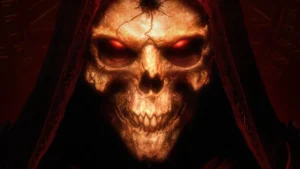
The difficulty Blizzard faces is not unique to World of Warcraft: Forever. The industry has seen similar friction in other titles, such as the Diablo II: Resurrected transition and the Old School RuneScape development model. When a developer attempts to revitalize an aging product, the "uncanny valley" between old and new assets often becomes a focal point of player frustration.
Data suggests that for "Classic" or "Legacy" server communities, the aesthetic consistency of the game is as critical as the mechanical gameplay. Studies on player retention in legacy-style MMOs indicate that immersion is heavily tied to visual familiarity. When an asset stands out as "too modern," it shatters the suspension of disbelief, leading to a decline in player sentiment. Blizzard’s responsiveness here indicates a high level of data-driven awareness of this phenomenon.
Looking Toward the November Launch
As the November 4 launch approaches, the success of the Skyborne overhaul will be a litmus test for the long-term viability of the World of Warcraft: Forever project. The studio has promised further updates on the progress of the SD models, and many players are waiting to see if these changes will fully silence the debate.
While the Skyborne will likely remain a polarizing addition due to their status as a premium-gated race, the technical effort to align them with the game’s legacy style is a significant olive branch to the community. It demonstrates that the development team is listening to the granular, often technical, feedback of their most dedicated players.
Whether these changes will satisfy those who believe the race should not have been included at all remains to be seen. However, by embracing the constraints of the 2004 engine, Blizzard is reinforcing its commitment to the "Forever" branding, suggesting that they view the project not as a modern game with a vintage skin, but as a faithful, living extension of the original experience. The outcome of these visual adjustments will ultimately serve as a bellwether for the project’s health as it moves from the beta phase into its first live iteration.
Related posts: