Bit Reactor Begins Recalling Furloughed Staff Following the Successful Launch of Star Wars Zero Company

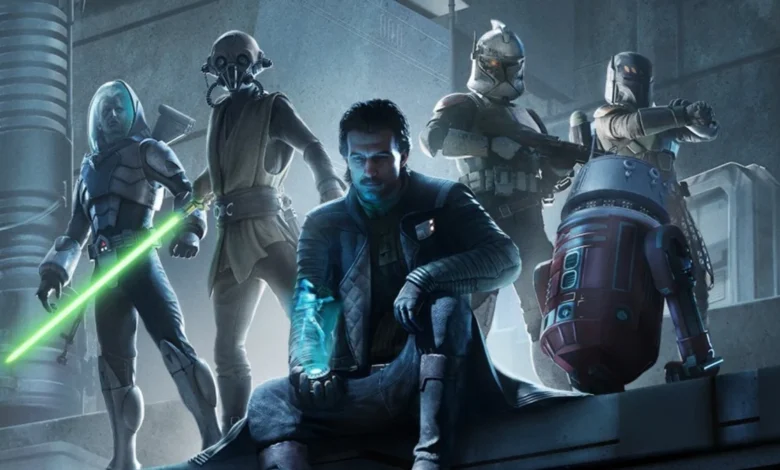
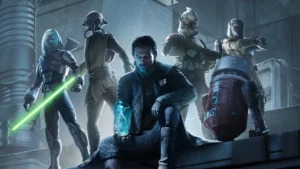
Bit Reactor, the independent development studio behind the critically acclaimed tactical strategy title Star Wars: Zero Company, has officially initiated the process of recalling employees who were placed on unpaid leave shortly before the game’s commercial release. The move marks a pivotal turning point for a studio that experienced profound internal upheaval, financial strain, and public scrutiny at what should have been the most triumphant moment in its corporate history.
The announcement was delivered via an official statement issued by Bit Reactor CEO Greg Foertsch. Describing the recalls as an "important step forward," Foertsch expressed optimism regarding the studio’s operational recovery and its ongoing commitment to supporting Star Wars: Zero Company through post-launch content, patches, and future updates.
A Painful Pre-Launch Crisis
The journey to this recall has been fraught with turbulence. Just weeks prior to the scheduled launch of Star Wars: Zero Company, industry reports surfaced revealing that Bit Reactor had been forced to furlough approximately 80 percent of its total workforce. This drastic measure stripped the vast majority of the studio’s developers of their pay and benefits at a critical juncture when final polish, quality assurance, and deployment preparations were underway.
The sudden and sweeping furloughs stunned the broader gaming community, particularly given the high-profile nature of the project. Developed in collaboration with Respawn Entertainment and Electronic Arts, Star Wars: Zero Company was anticipated as a major release. However, behind the scenes, the studio was battling a severe cash-flow crisis. Financial investigations and industry reports later revealed that the monetary shortfall was heavily exacerbated by an internal legal dispute between studio co-founders Alison Kelly and CEO Greg Foertsch. The legal friction ultimately left Foertsch with sole ownership of the company, but not before severely draining financial resources and leaving the operational infrastructure on the brink of collapse.
In his recent statement, Foertsch acknowledged the gravity of those decisions, noting the heavy personal and professional toll the situation took on the workforce. "Having to ask team members to step away after we navigated unexpected business developments outside of our control and so close to launch was an incredibly difficult decision," Foertsch stated. "But [it was] one that was necessary to help us eventually bring as many people back as possible."
Rebuilding the Workforce: Current Status
While Bit Reactor has not disclosed the exact number of personnel who have received offers to return, independent industry tracking provides a clearer picture of the studio’s current standing. According to recent reports from specialized gaming outlets like Game File, more than half of Bit Reactor’s original headcount has successfully returned to the company’s active payroll.
This partial restoration allows the core development infrastructure to stabilize, ensuring that the team can adequately service the game’s immediate post-launch lifecycle. Nevertheless, the situation remains incomplete. A substantial fraction of the original workforce remains in professional limbo, waiting to see if future revenue streams from the game will trigger subsequent waves of rehirings.
Industry analysts point out that while bringing back a majority of the staff is a positive indicator, the human cost of the pre-launch furloughs highlights systemic vulnerabilities within independent development studios, especially those reliant on milestone-based funding models and external intellectual property licensing.
Critical Acclaim and Commercial Success
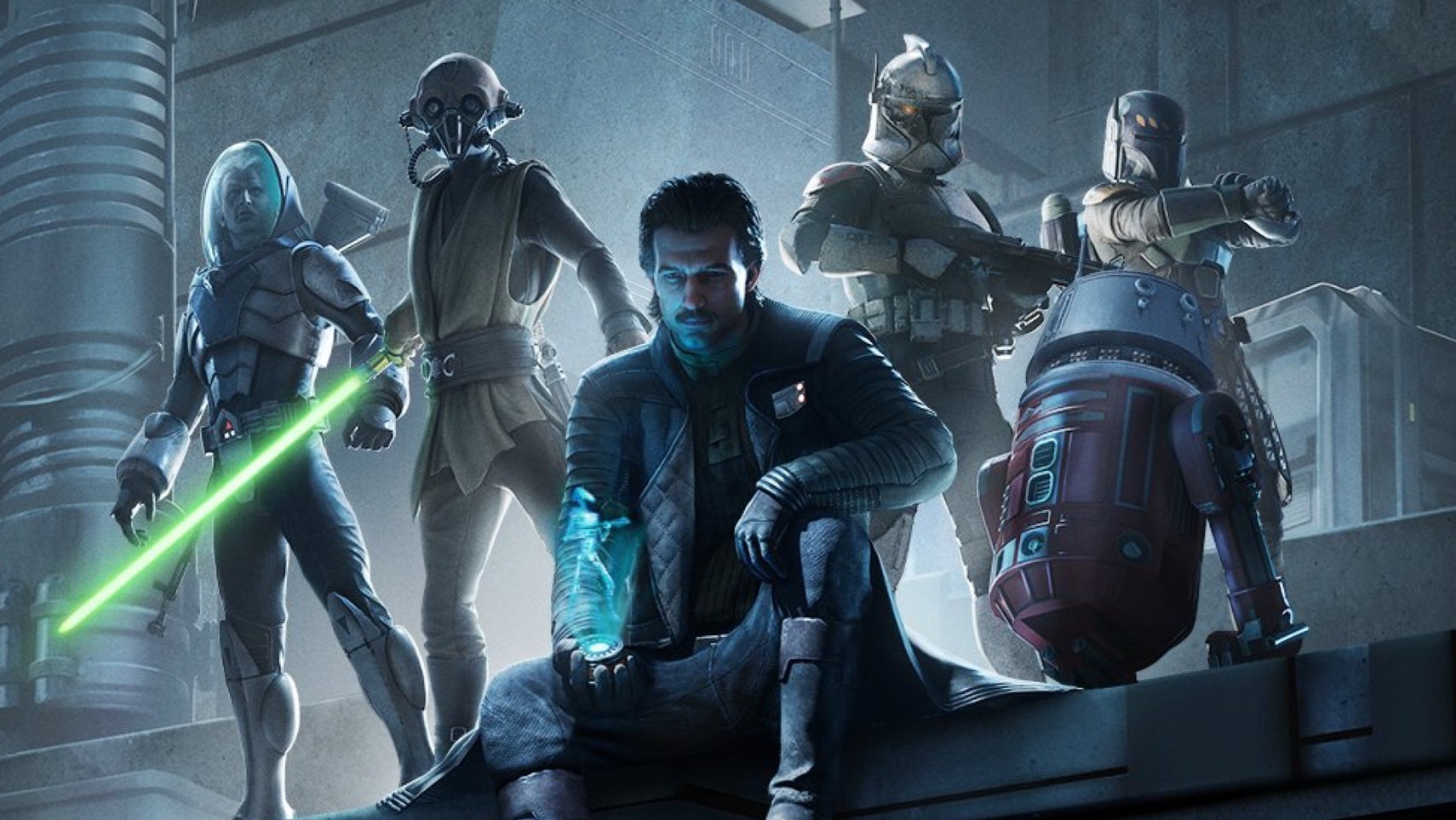
The urgency to stabilize Bit Reactor stems largely from the unexpected and overwhelming market performance of Star Wars: Zero Company. Released to widespread praise from both critics and consumers, the game successfully translated the meticulous, tactical mechanics popularized by the XCOM franchise into the expansive lore of the Star Wars universe. Players embraced the title’s deep combat systems, strategic base management, and narrative integration within a galaxy far, far away.
Commercially, the game exceeded initial publisher expectations. Within days of its release, Star Wars: Zero Company crossed the milestone of one million copies sold globally. This robust commercial performance injected much-needed capital back into the ecosystem, directly paving the way for the financial recovery that has now enabled leadership to begin recalling furloughed personnel.
For a game that was launched under a cloud of corporate uncertainty, the sales figures provided a vital lifeline. Without such immediate and decisive commercial success, the likelihood of Bit Reactor weathering its internal crisis would have been drastically diminished.
Broader Implications for the Industry
The situation at Bit Reactor serves as a cautionary tale within the modern video game industry, illuminating the fragile financial ecosystems that often underpin high-profile franchise adaptations. Independent studios partnering with major conglomerates like Electronic Arts face immense pressure to deliver polished, AAA-adjacent experiences while navigating fluctuating market conditions and internal management dynamics.
The reliance on furloughs as a tool to stave off corporate insolvency—even when a guaranteed hit like a Star Wars title is on the horizon—demonstrates the precarious nature of studio financing. When legal disputes and cash flow issues intersect just weeks before launch, the primary burden invariably falls upon the rank-and-file developers whose labor actually produces the intellectual property.
Looking forward, Bit Reactor faces the dual challenge of sustaining player engagement for Star Wars: Zero Company while repairing its internal culture and rebuilding trust with its workforce. Foertsch concluded his statement by expressing gratitude to the community for their unwavering support during the turbulent launch window.
"This team means a tremendous amount to me, and I am incredibly proud of what we have accomplished together," Foertsch said. "Thank you to our fans for the incredible response to the game and for supporting us along this journey. We look forward to sharing more updates regarding Bit Reactor and Zero Company soon."
As the studio continues the gradual process of reinstating its remaining developers, the industry will be watching closely to see whether Bit Reactor can achieve long-term stability and whether the remaining furloughed staff will ultimately find their way back to the payroll.
Related posts: