Charlie Cox teases a bold new direction for Daredevil Born Again as the series prepares for a transformative third season.

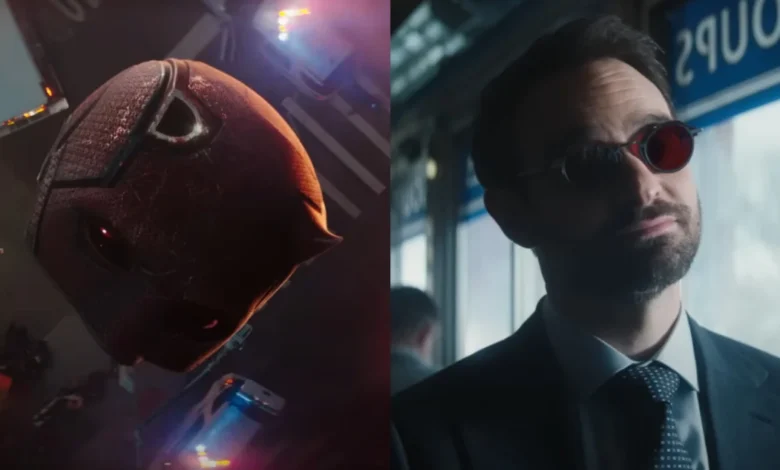
The Marvel Cinematic Universe (MCU) is witnessing a significant pivot for one of its most grounded and beloved characters. Charlie Cox, the actor who has portrayed Matt Murdock since the inception of the character’s Netflix standalone series in 2015, has provided a tantalizing glimpse into the future of Disney Plus’s Daredevil: Born Again. While the second season has only recently begun its rollout to audiences, early preparations for a third season are already signaling a departure from the established narrative arcs that have defined the series since its transition into the broader MCU.
The Shift Beyond the Mayor Fisk Era
For years, the overarching narrative tension in the Daredevil saga has been the complex, symbiotic, and destructive relationship between Matt Murdock and Wilson Fisk, the Kingpin of Crime. This dynamic reached its apex during the "Mayor Fisk" storyline, a political thriller arc that saw the antagonist ascend to the highest office in New York City, weaponizing the legal and bureaucratic systems against the vigilante.
Speaking in a recent interview with Entertainment Weekly, Charlie Cox confirmed that the production is currently in the script development phase for season three. In a statement that has sent waves of anticipation through the fanbase, Cox noted that the creative team is effectively shedding the narrative skin of the preceding seasons. According to Cox, the upcoming episodes will feel akin to a "new book" or a "new dawn" for the character. While he maintained the necessity of secrecy regarding specific plot points, his characterization of the shift as a "new thing" suggests that the series is moving away from the political maneuvering of the Mayor Fisk arc and into a fresh, distinct chapter of Murdock’s life.
Chronology of the Daredevil Revival
To understand the weight of this upcoming shift, one must consider the complex timeline of the Daredevil property. The original series, produced by Marvel Television for Netflix, ran for three critically acclaimed seasons between 2015 and 2018. Following the cancellation of the Netflix iteration, there was a period of uncertainty regarding the character’s status.
The turning point occurred in 2021 with the release of Spider-Man: No Way Home, which officially reintroduced Charlie Cox’s Matt Murdock into the MCU. This was followed by a series of cameos in She-Hulk: Attorney at Law, which showcased a more colorful, albeit still dedicated, version of the character. Finally, the long-awaited Daredevil: Born Again premiered, serving as both a continuation and a reimagining of the source material. By moving toward a "third season" of the Disney Plus iteration, Marvel Studios is effectively signaling that the "Born Again" branding is no longer just a one-off revival, but an ongoing, evolving television franchise.
Theoretical Foundations: The Devil in Cell Block D
While official plot details remain under lock and key at Marvel Studios, industry analysts and eagle-eyed fans have pointed toward a specific source material that would align with the "new direction" teased by Cox. Reports and casting rumors suggest that the production may be eyeing the adaptation of the seminal comic book arc, The Devil in Cell Block D.
In this narrative, Matt Murdock finds himself incarcerated, stripped of his ability to operate as a vigilante in the traditional sense, and forced to navigate a hostile environment filled with criminals he previously put behind bars. Simultaneously, the vacuum left by his absence in Hell’s Kitchen is filled by a new, mysterious figure operating under the mantle of Daredevil. If this adaptation holds true, it would represent a radical departure from the courtroom-and-street-fighting format of the show’s first two seasons. It would force the protagonist into a claustrophobic, survival-based setting, fundamentally changing the show’s pacing and cinematography.

Data and Production Context
The transition of Daredevil from a standalone Netflix project to an integrated MCU component has been one of the most successful, if challenging, transitions in modern media. The Netflix series was characterized by its mature rating and gritty, noir-inspired aesthetic. Daredevil: Born Again has had to strike a delicate balance between maintaining that tonal authenticity and adhering to the broader, often more expansive scope of the MCU.
Current viewership data for the second season suggests that audiences are highly receptive to this transition. By expanding the cast and integrating more elements of the wider Marvel mythology, the show has managed to retain its core audience while attracting new viewers who may not have seen the original 2015 run. From a business standpoint, the "new dawn" described by Cox serves a dual purpose: it refreshes the creative palette for veteran viewers and provides an accessible entry point for newer audiences who might feel intimidated by the dense history of the character.
Implications for the Future of the Street-Level MCU
The evolution of Daredevil: Born Again has significant implications for the "street-level" side of the MCU. Marvel Studios has been systematically building a sub-section of its universe focused on grounded, human-scale conflicts, involving characters such as Spider-Man, Moon Knight, Echo, and potentially the Punisher.
By moving past the Mayor Fisk arc, the writers are freeing themselves from the constraints of the political crime thriller genre. This suggests a potential return to the roots of the character: the lone vigilante fighting the systemic decay of Hell’s Kitchen. If season three focuses on the "Cell Block D" concept, it effectively serves as a "reset" button that allows the showrunners to introduce new supporting characters and antagonists without being bogged down by the lengthy, complex history of the Fisk-Murdock rivalry.
The Role of Character Growth
Throughout his tenure as Matt Murdock, Charlie Cox has consistently emphasized the internal conflict of the character—the struggle between his faith, his role as a legal advocate, and his necessity to act as an extrajudicial guardian of the law. A shift in the show’s structure is not merely a change in scenery; it is a catalyst for character growth.
When a character is placed in a new environment, as suggested by the potential prison arc, their morality is tested in new ways. The "new dawn" that Cox mentions could signify a version of Matt Murdock who has finally accepted the totality of his identity. If the series pivots away from the "fighting the system" narrative, it may move toward a more focused, character-driven examination of what it means to be a hero when the external threats have changed fundamentally.
Conclusion and Looking Forward
As production moves forward, the primary question for the audience is how these changes will manifest on screen. The shift away from the Mayor Fisk arc represents a bold gamble by Marvel Studios, but one that is common in the long-form storytelling of comic books, where titles are frequently "re-launched" with new creative directions.
For now, fans can look forward to the continued development of season three as a period of significant transition. While the specifics remain obscured by the customary Marvel veil of secrecy, the consensus among observers is that the series is positioning itself to be more dynamic and less tethered to the past than ever before. With Charlie Cox at the helm, and a creative team seemingly willing to take risks with established storylines, the future of Daredevil in the MCU appears as robust as it is unpredictable. As further information emerges regarding casting, directors, and specific plot beats, the industry will be watching closely to see how the "new dawn" of Daredevil: Born Again reshapes the landscape of superhero television.