Joko Anwar Explores the Terrifying Intersection of Horror, Comedy, and Prison Politics in Ghost in the Cell Ahead of US Theatrical Release

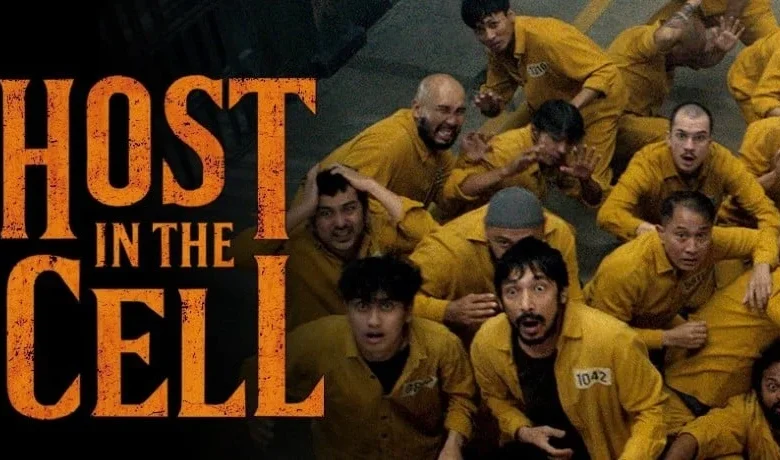
Following a critically acclaimed world premiere screening at Fantastic Fest that captivated audiences and genre critics alike, acclaimed Indonesian filmmaker Joko Anwar is bringing his latest cinematic venture, Ghost in the Cell, to North American theaters. Distributed by Well Go USA, the film is scheduled for an official theatrical release on October 2. The feature has already generated significant buzz within the international horror community, particularly following early reviews praising its distinct blend of atmospheric dread, visceral practical effects, and sharp dark comedy.
In anticipation of the film’s arrival in US cinemas, recent press engagements have shed light on the meticulous creative process behind the project. Director Joko Anwar sat down for an in-depth interview to discuss the narrative origins of the film, the logistical and technical challenges of executing practical monster effects, and the delicate tonal balancing act required to seamlessly weave horror, humor, and emotional resonance into a single narrative framework.
Synopsis and Narrative Premise
Ghost in the Cell plunges audiences into the claustrophobic and volatile environment of a maximum-security prison. Within these grim walls, order is maintained through a fragile and brutal status quo dictated by feuding inmate gangs and a deeply tyrannical warden who rules through fear and intimidation. However, this already combustible atmosphere is upended by the arrival of a new inmate, which triggers an immediate cascade of mysterious, gruesome murders.
The victims of these sudden attacks are left on morbid, highly theatrical display throughout the facility, pushing the inmate population and security staff to their psychological limits. As the body count rises, the hapless prisoners trapped inside find themselves forced to temporarily set aside their deeply entrenched rivalries. They must unite to unmask and survive an invisible, otherworldly enemy that defies conventional logic. Within this high-security penitentiary, the cells transform from holding areas into cages, trapping the humans inside with a supernatural entity that roams the cellblocks with relentless, murderous intent.
Background and Festival Reception
The trajectory of Ghost in the Cell highlights the growing global appetite for Southeast Asian horror cinema, a movement in which Joko Anwar has established himself as a leading vanguard. Known for his distinct visual style, complex socio-political subtexts, and mastery of tension—exemplified by works such as Impetigore and Satan’s Slaves—Anwar’s transition into a prison-set supernatural thriller represents a fresh evolution in his directorial career.
The film’s debut at Fantastic Fest 2026 proved to be a watershed moment for the title. Genre critics highlighted the film’s ability to transcend standard monster-movie tropes by grounding the terror in authentic institutional tension and character-driven drama. Reviewers specifically lauded the film for defying predictable genre boundaries, successfully integrating elements of pitch-black comedy without diluting the genuine stakes and horrifying imagery associated with the invisible antagonist. This critical momentum ultimately secured the film its North American theatrical distribution deal with Well Go USA, a premier distributor known for bringing high-profile international genre cinema to Western audiences.
Production Insights and Practical Effects
During recent promotional discussions, Anwar elaborated on the intricate mechanics required to bring the film’s central supernatural threat to life. Eschewing an exclusive reliance on computer-generated imagery, the production heavily prioritized practical effects to establish a tangible, visceral sense of physical dread within the frame.
The implementation of practical effects for an invisible or otherworldly entity presented unique blocking, cinematography, and special effects challenges. According to the production team, careful choreography and specialized camera techniques were deployed to simulate the presence, movement, and physical interactions of the entity with its environment and victims. This tactile approach to horror filmmaking aligns with Anwar’s broader directorial philosophy, which favors practical immersion to elicit visceral reactions from the audience.
Furthermore, Anwar addressed the thematic core of the narrative, noting that the prison setting serves as a structural metaphor for societal divisions. By forcing hardened criminals and corrupt authority figures to confront a shared existential threat, the screenplay uses genre conventions to explore themes of cooperation, systemic oppression, and humanity under extreme duress. The injection of dark humor serves not as comic relief, but as a psychological defense mechanism reflective of the characters’ desperate circumstances.
Distribution and Viewing Options
As the October 2 US theatrical release approaches, Well Go USA has ramped up promotional efforts to direct prospective audiences toward local screenings. Comprehensive ticketing information, theater locations, and showtimes are actively being updated on the official distribution portal hosted by Well Go USA.
Industry analysts project that the film will perform well within the specialized genre theatrical circuit, benefiting from the robust word-of-mouth generated during its festival run and the dedicated domestic fanbase for international horror. By bridging the gap between traditional atmospheric horror and high-concept genre mashups, Ghost in the Cell stands positioned to reinforce Joko Anwar’s international reputation as a master storyteller capable of navigating diverse cinematic landscapes while retaining his signature stylistic intensity.
Related posts: