Supergirl: Milly Alcock’s Woman of Tomorrow Faces Critical Test as New Trailer Debuts

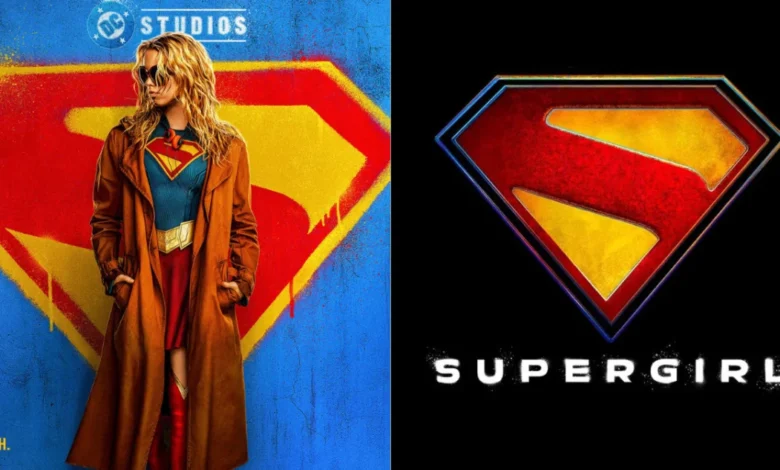
The DC Universe is currently navigating a high-stakes transition period as it prepares for the theatrical release of Supergirl, a film that stands as a critical barometer for the direction of the newly established cinematic franchise. With a scheduled premiere date of June 26, 2026, the film aims to solidify the "Woman of Tomorrow" as a central pillar of the DC mythos. Following a series of mixed reactions to initial promotional material, the studio has unveiled a new trailer and poster, signaling an attempt to recalibrate public expectations and showcase the emotional depth of lead actress Milly Alcock.
A Chronology of the Supergirl Marketing Campaign
The journey toward the release of Supergirl has been marked by a series of strategic maneuvers and audience feedback loops. The project, officially titled Supergirl: Woman of Tomorrow, is based on the critically acclaimed comic book run by Tom King and Bilquis Evely. The character’s integration into the new DC Universe (DCU) was first teased during the initial slate announcements led by DC Studios co-heads James Gunn and Peter Safran.
The marketing cycle began in earnest late last year with the release of the first teaser trailer. While the footage effectively introduced Milly Alcock—widely praised for her performance in House of the Dragon—as Kara Zor-El, the reception was characterized by a distinct polarization. Enthusiastic support for the casting choice was tempered by widespread criticism regarding the film’s visual palette. Fans noted that the aesthetic lacked the vibrant, cosmic pop-art sensibilities associated with the source material, opting instead for a muted color grade that some observers felt did not reflect the grandeur of a space-faring superhero epic.
Following this, reports surfaced regarding early test screenings. According to industry insiders, the initial cuts of the film were met with a lukewarm response, prompting the studio to initiate a period of refinement. The feedback suggested that while Alcock’s performance was viewed as the film’s strongest asset, the surrounding narrative architecture and visual style required adjustment. This prompted a renewed effort in post-production, leading to the latest trailer, which aims to address these concerns by highlighting both character development and enhanced visual sequences.
Analyzing the New Footage and Studio Strategy
The recently released trailer serves as a tactical response to the prevailing skepticism. It leans heavily into the emotional weight of Kara’s journey, portraying her not merely as an extension of the Superman legacy, but as a distinct, perhaps more cynical or "punk rock" iteration of the character. The imagery appears to bridge the gap between the character’s isolation in space and her search for meaning on Earth, elements central to Tom King’s original narrative.
By focusing on the performance of Milly Alcock, DC Studios is doubling down on its primary competitive advantage: talent. In the current landscape of franchise filmmaking, audience connection to the lead performer is often the deciding factor in a film’s long-term success. If the audience connects with Alcock’s portrayal, it provides the studio with the necessary capital to expand the character’s role in future crossovers.
Furthermore, James Gunn’s personal involvement in promoting the new poster underscores the importance of this release. As the primary architect of the new DCU, Gunn’s active engagement with fans on social media acts as a direct communication channel. By sharing promotional assets directly, the studio attempts to cultivate a sense of transparency, even as they work to overcome the "flop" narrative that has permeated online discourse.

The Broader Implications for the DC Universe
The stakes for Supergirl extend far beyond a single film’s box office performance. In the broader context of the DCU, this project serves as a test case for how the studio handles adaptations of more niche, character-driven comic runs. The success of the DCU relies on a delicate balance: maintaining high production values while ensuring that individual films feel distinct from one another.
Historically, DC has struggled with narrative consistency. The transition from the Snyderverse to the Gunn/Safran era is an attempt to create a cohesive, interconnected reality that is nonetheless flexible enough to support diverse tonal approaches. Supergirl is positioned to be a linchpin of this strategy. Should the film succeed, it validates the studio’s decision to lean into character-first storytelling. If it fails to resonate, it could necessitate a pivot in the creative development of subsequent projects, such as the upcoming Superman sequel or other ensemble pieces.
From an industry perspective, the "wait-and-see" approach currently adopted by the fanbase is symptomatic of modern superhero fatigue. Audiences are increasingly selective, requiring a compelling hook to warrant a trip to the theater. Data from recent theatrical releases suggests that mid-tier franchise films are struggling to maintain the momentum seen in the previous decade. Consequently, Supergirl must distinguish itself as a "must-watch" cinematic event rather than just another entry in a sprawling shared universe.
Production and Future Outlook
As the release date of June 26, 2026, approaches, the studio is expected to ramp up its promotional efforts. Industry trends suggest that the month preceding a release is the most critical window for capturing the general audience. While the dedicated fan base is already aware of the film, the studio must now pivot toward the casual viewer.
Expectations are that the next few months will feature "micro-trailers" and behind-the-scenes segments designed to highlight the visual improvements and the chemistry between the supporting cast and Alcock. Furthermore, the studio will likely emphasize the film’s unique identity as a "Woman of Tomorrow," contrasting it against the more traditional hero-journey narratives of the past.
The role of test screenings in this process remains a focal point for industry analysts. While such screenings are standard practice, the transparency—or lack thereof—regarding the adjustments made in response to them will determine whether the narrative surrounding the film shifts from "troubled production" to "highly anticipated release."
Conclusion
The success of Supergirl will be measured by more than just its domestic and international box office returns; it will be measured by its ability to secure the future of the DC Universe’s expansion. Milly Alcock carries the weight of a franchise on her shoulders, and the latest promotional materials suggest that the studio is keenly aware of this dynamic. By prioritizing character-driven storytelling and responding to the constructive critiques of the early screening period, DC Studios is attempting to ensure that Supergirl is not just a film, but a definitive step forward for the studio’s creative vision. Whether this effort will be enough to satisfy both the critics and the core fan base remains to be seen, but the coming months will undoubtedly be a defining period for the future of the DCU.