Hyper Light studio Heart Machine lays off ‘nearly everyone’ after publisher deal for unannounced game falls…

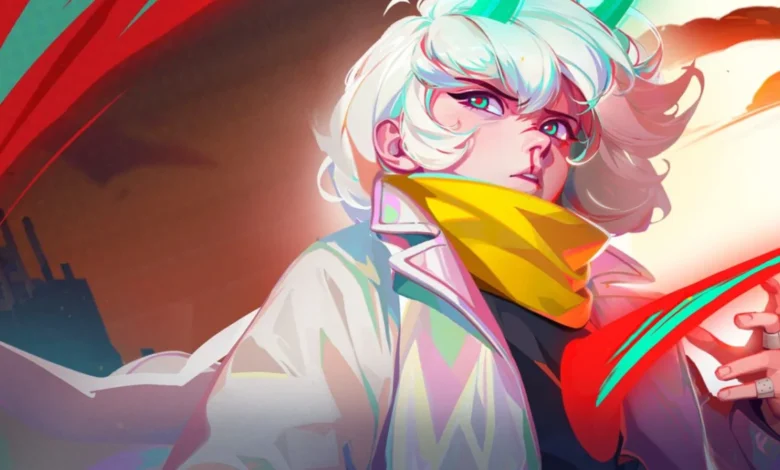
The collapse of the partnership with an unnamed publisher has left the studio in a precarious position, with founder Alx Preston confirming that the loss of essential development capital has forced the company to release almost the entirety of its workforce. This latest development marks a devastating blow for a studio that has long been regarded as a creative beacon in the indie gaming landscape, known for its distinct aesthetic and atmospheric gameplay.
A Sudden Financial Collapse
The news was broken by Preston via a post on LinkedIn, where he described the situation as "devastating." According to the announcement, the studio had been relying on a publisher to bankroll a new, as-yet-unrevealed title. When that publisher abruptly rescinded their commitment earlier this week, the studio was left without a financial runway.
"Without this key income for the studio, any other immediate prospects or other funds, nearly everyone at the studio had to be laid off," Preston wrote. The studio is now working to provide support for its displaced staff, including assistance with job placement and professional recommendations. Preston’s appeal for industry connections highlights the quality of the team left behind: "If you know of any roles for extraordinarily talented, kind people, please reach out and we will coordinate."
A Retrospective on Heart Machine’s Trajectory
Heart Machine’s rise to prominence began in 2016 with the release of Hyper Light Drifter. The game, which featured a hauntingly beautiful, neon-soaked pixel art style and challenging, fluid combat, was a massive success both critically and commercially. It solidified Alx Preston’s reputation as a visionary developer and established the studio as a staple of the independent scene.
However, the path following Hyper Light Drifter proved more turbulent. The studio’s sophomore effort, Solar Ash, released in 2021, attempted to pivot the studio’s signature style into a 3D environment. While it maintained the studio’s focus on atmospheric storytelling and mobility, it struggled to achieve the same cultural penetration and critical consensus as its predecessor.
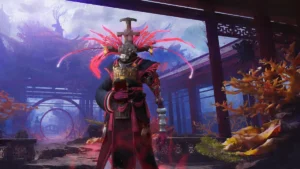
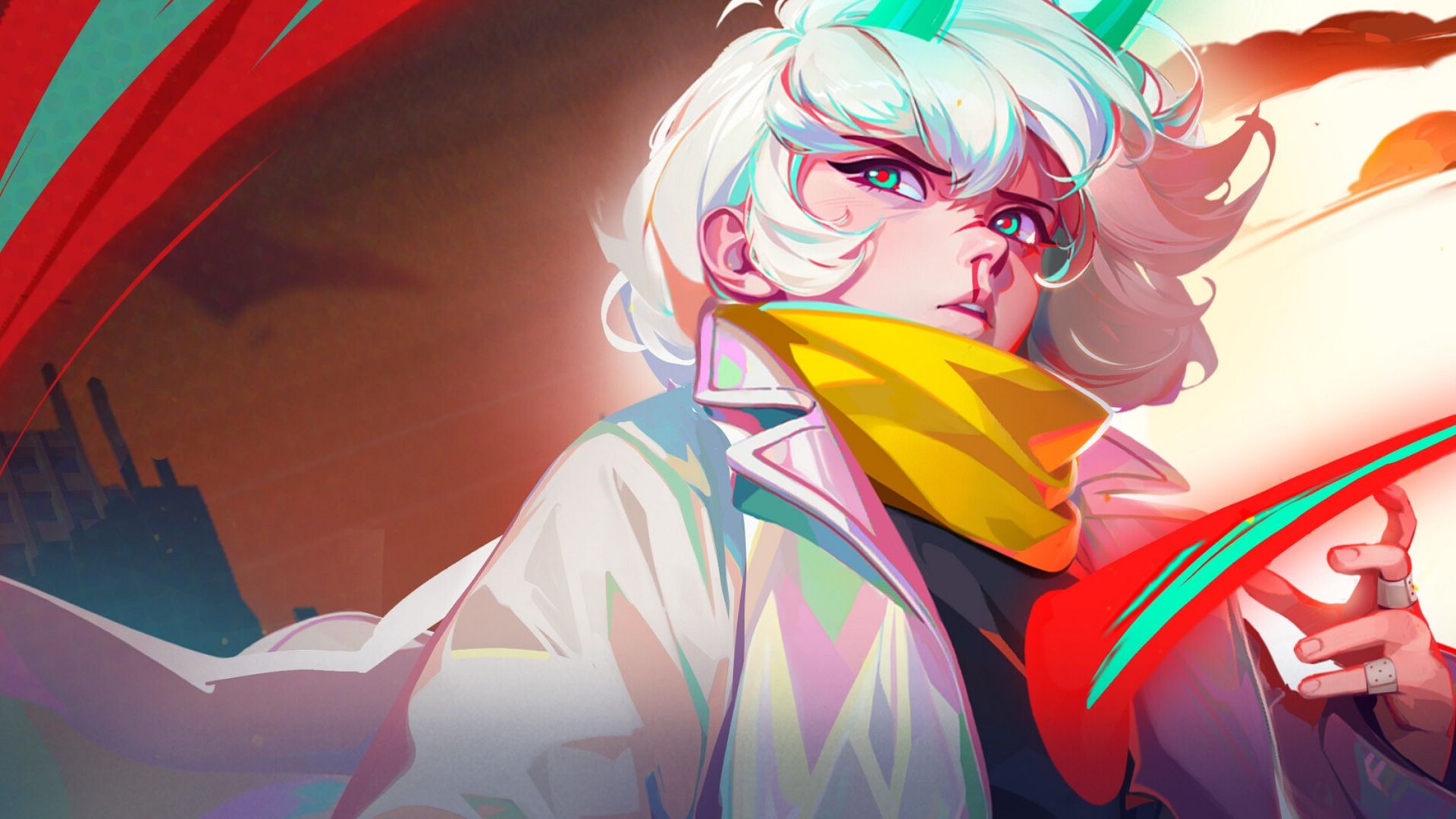
The subsequent years saw the studio struggle with a fractured development pipeline. In early 2024, Heart Machine faced significant internal challenges, culminating in the decision to cease development on Hyper Light Breaker—a 3D rogue-lite sequel—while it was still in early access. That pivot was accompanied by an earlier round of staff layoffs, which the studio described as a necessary measure to ensure long-term sustainability. Shortly thereafter, the studio released the action-platformer Possessor(s). While the title garnered "mostly positive" reviews on platforms like Steam, it struggled to find a wide commercial audience, leading to muted sales figures that likely limited the studio’s ability to self-fund future ventures.
The Precarious Reality of Independent Development
The dissolution of Heart Machine’s team is a stark reflection of the current volatility within the mid-tier and independent game development sector. Throughout 2023 and 2024, the gaming industry has seen a massive contraction, with thousands of layoffs occurring across both major AAA publishers and smaller independent studios.
Industry analysts point to a "publisher-first" dependency as a primary risk factor for studios of Heart Machine’s size. When a studio lacks a diverse portfolio of revenue-generating assets or independent wealth, they are inherently susceptible to the shifting priorities of corporate partners. As interest rates have risen and consumer spending habits have tightened, publishers have become increasingly risk-averse, often canceling projects that are mid-development if they perceive a shift in market viability or if their own internal financial strategies change.
For studios like Heart Machine, the loss of a single funding partner represents an "existential event." Unlike larger corporations with massive cash reserves, these teams often live project-to-project. When the "anchor" project falls through, the overhead costs—primarily salaries for specialized developers, artists, and engineers—become unsustainable within a matter of days.
The Path Forward: Uncertainty and Survival
As of now, the future of Heart Machine remains shrouded in doubt. Alx Preston has stated that the studio will "keep pushing to find a path," but he was candid about the gravity of the situation, noting that he is "not sure yet what’s next for Heart Machine to survive."
The studio is currently at a crossroads. Options typically available to companies in this position include:
- The "Skeleton Crew" Model: Scaling down to a handful of core founders and contractors to maintain intellectual property rights while seeking smaller grants or boutique funding.
- Asset Liquidation: Seeking a buyer for the studio’s IP catalog, such as Hyper Light Drifter or Solar Ash, to generate enough cash to settle debts and potentially reboot the studio under a different structure.
- Permanent Closure: If no new funding is secured, the studio may be forced to wind down operations entirely, with the intellectual property potentially being sold off or sitting dormant.
Industry Reactions and the Talent Drain
The gaming community and industry professionals have reacted with widespread concern. Heart Machine has long been viewed as a studio that prioritizes artistic integrity, and the loss of its development team is seen as a significant loss of institutional knowledge and creative expertise.
The "talent drain" caused by these layoffs is a critical concern for the industry at large. When developers with experience in high-level art, animation, and technical design are pushed out of the industry due to project cancellations, they often move into other sectors—such as tech or software engineering—where their skills are highly valued but their creative output in gaming is lost forever.
Implications for the Future of Indie Games
The situation at Heart Machine serves as a cautionary tale for the independent development community. As the industry moves further away from the "boom" years of the mid-2010s, the reliance on external publishers is becoming a double-edged sword. While publishers provide the necessary capital to reach a global audience, they also impose a level of risk that can destroy a studio overnight if the deal is not legally and financially robust.
Furthermore, the experience of Possessor(s) highlights a growing trend where even well-reviewed indie games struggle to gain visibility in an increasingly saturated market. When a high-quality product fails to hit specific financial targets, it makes it exponentially harder for that studio to secure funding for the next project, creating a feedback loop of financial insecurity.
As Heart Machine navigates this crisis, the broader industry will be watching closely. Whether the studio can recover or if it becomes another casualty of the current economic environment, the events of this week have once again brought the fragility of the independent gaming ecosystem into sharp focus. For now, the focus remains on the displaced employees, as the studio attempts to manage a transition that is as difficult as it is unexpected. The legacy of Heart Machine—a studio that defined a generation of indie art-house games—now hangs in the balance, a reminder that in the high-stakes world of digital entertainment, even the most acclaimed creators are not immune to the cold realities of global commerce.