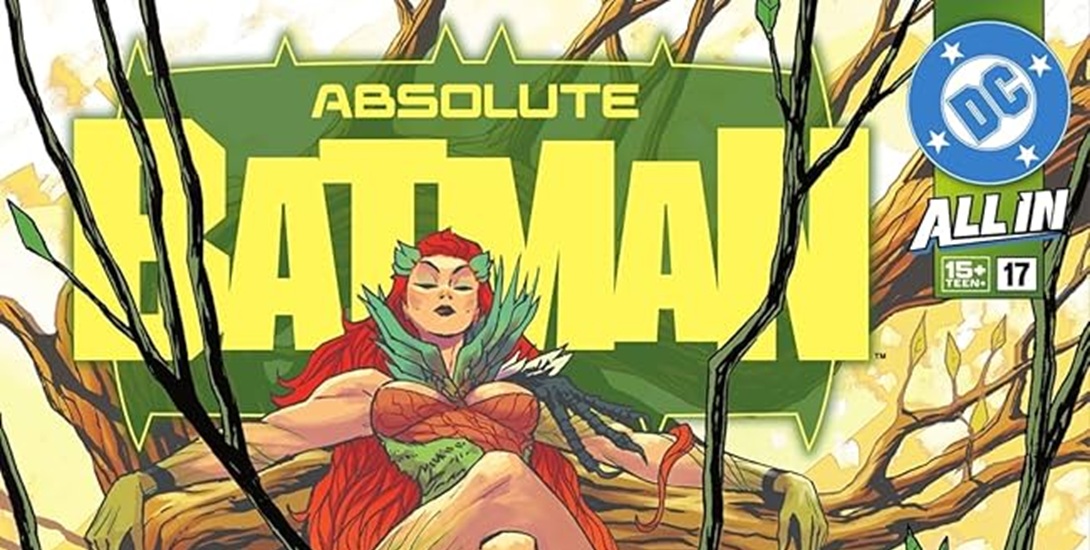
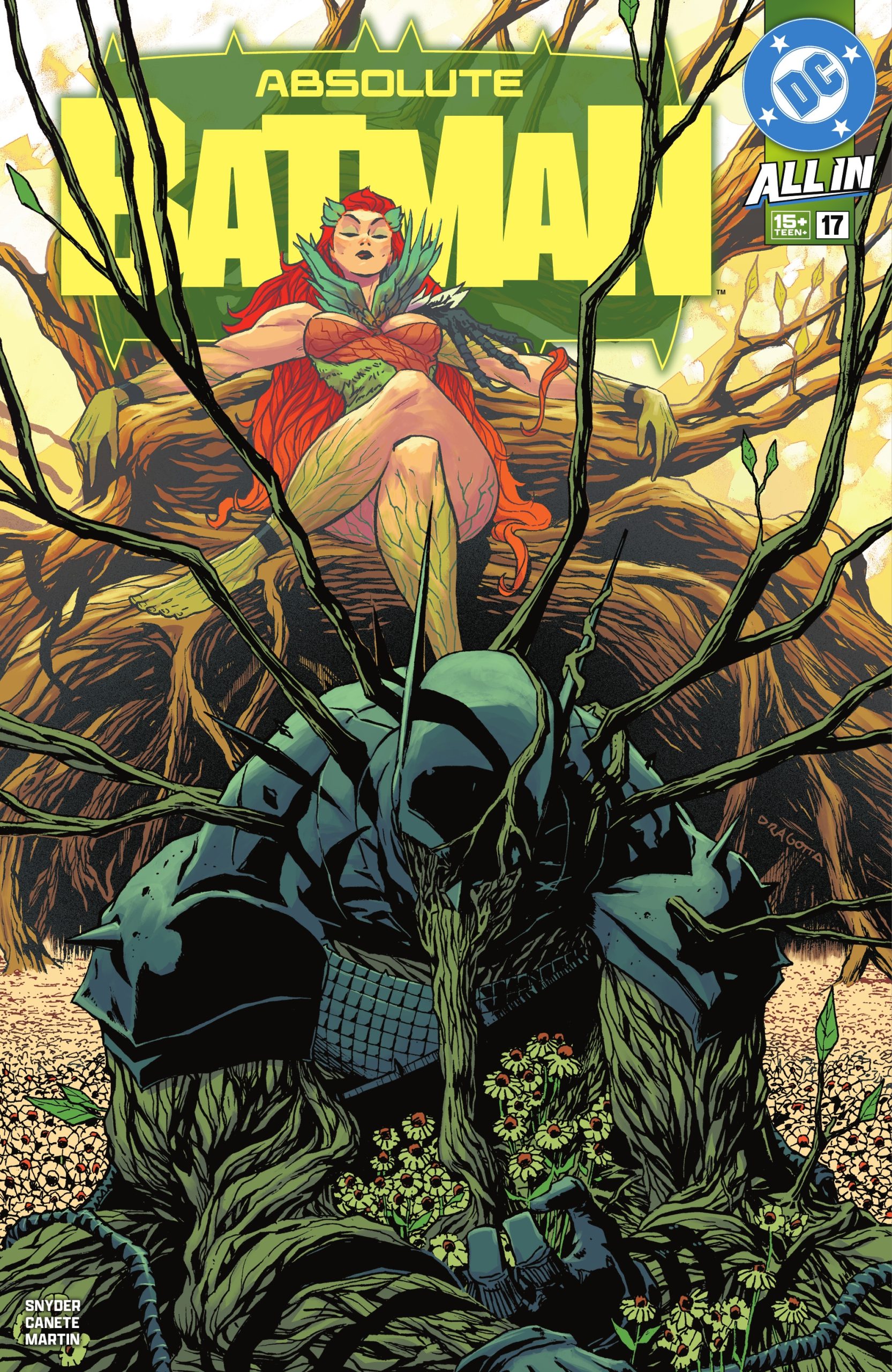
The latest installment of the Scott Snyder-penned Absolute Batman series, titled "The Seventh Kingdom: Part One," marks a pivotal shift in the ongoing narrative, bringing the character of Dr. Pamela Isley—Poison Ivy—into the volatile landscape of the Absolute Universe’s Gotham City. Published under the DC Comics imprint, this seventeenth issue serves as both a localized confrontation and a broader exploration of the trauma and systemic decay that define this reimagined iteration of the Batman mythos. The narrative trajectory focuses on the intersection of personal accountability for Bruce Wayne and the environmental hostility introduced by Isley, whose presence has transformed the city into a biological war zone.
The Emergence of the Biological Threat
The inciting incident of this issue is the rapid, unnatural expansion of a massive forest ecosystem within the heart of Gotham City. This phenomenon, orchestrated by Dr. Pamela Isley, represents a significant escalation in the series’ ongoing conflict between urban infrastructure and uncontrollable natural forces. The "Seventh Kingdom" serves as a metaphorical and literal representation of Ivy’s vengeance, manifesting as a sentient, predatory jungle.
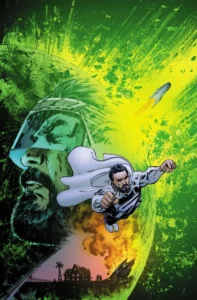
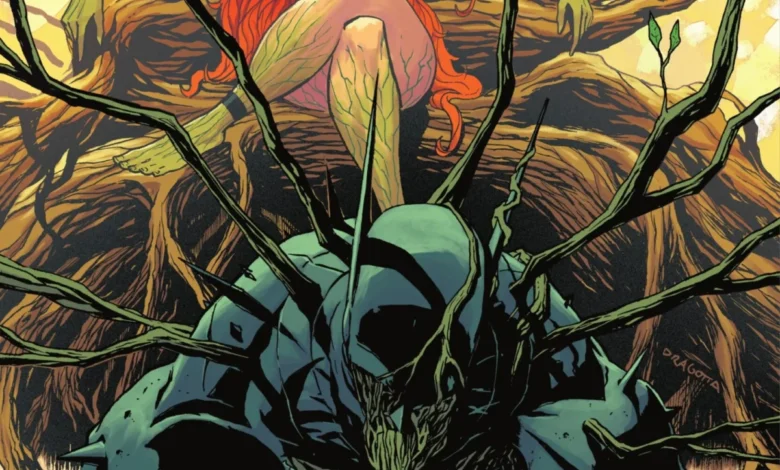
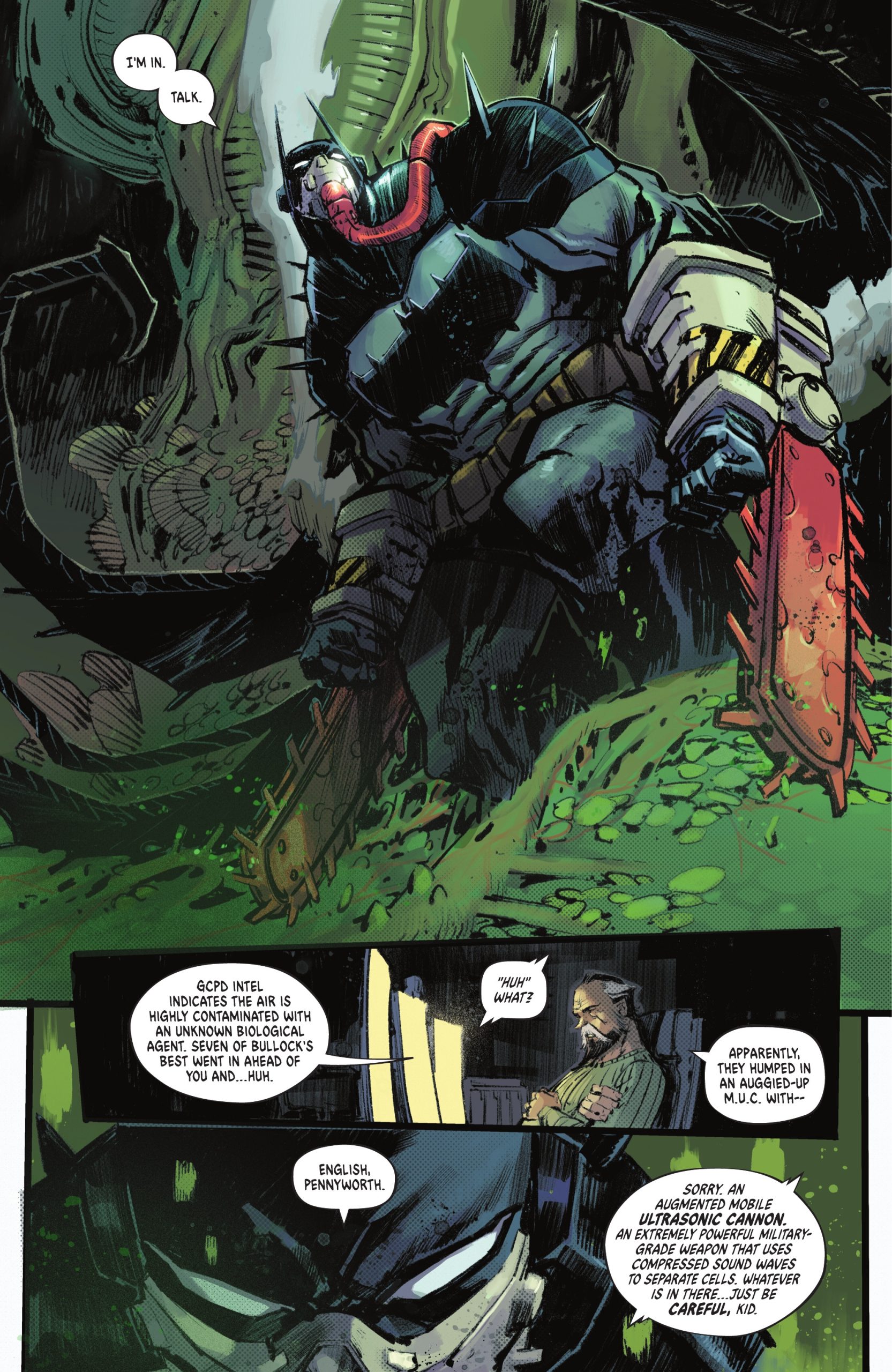
The tactical situation for the Gotham City Police Department (GCPD) has reached a critical failure point. With law enforcement personnel effectively compromised and assimilated by the encroaching foliage, the city’s defense has collapsed. Batman enters this environment not merely as a detective, but as a survivalist. Equipped with high-caliber, specialized hardware—specifically twin forearm-mounted buzzsaws—the protagonist’s methodology reflects the desperate nature of the crisis. The imagery presented by artist Eric Canete and colorist Frank Martin emphasizes the claustrophobic, lethal nature of the environment, where the boundaries between human life and botanical matter have been irrevocably blurred.
Chronology of Conflict and Character Evolution
The narrative structure of issue #17 utilizes a bifurcated approach, alternating between the immediate, visceral combat in the present and the psychological foundations of Dr. Pamela Isley’s origin. The backstory provided details a series of catastrophic events that led the former scientist to abandon her humanitarian efforts in favor of radical, ecoterroristic retaliation.
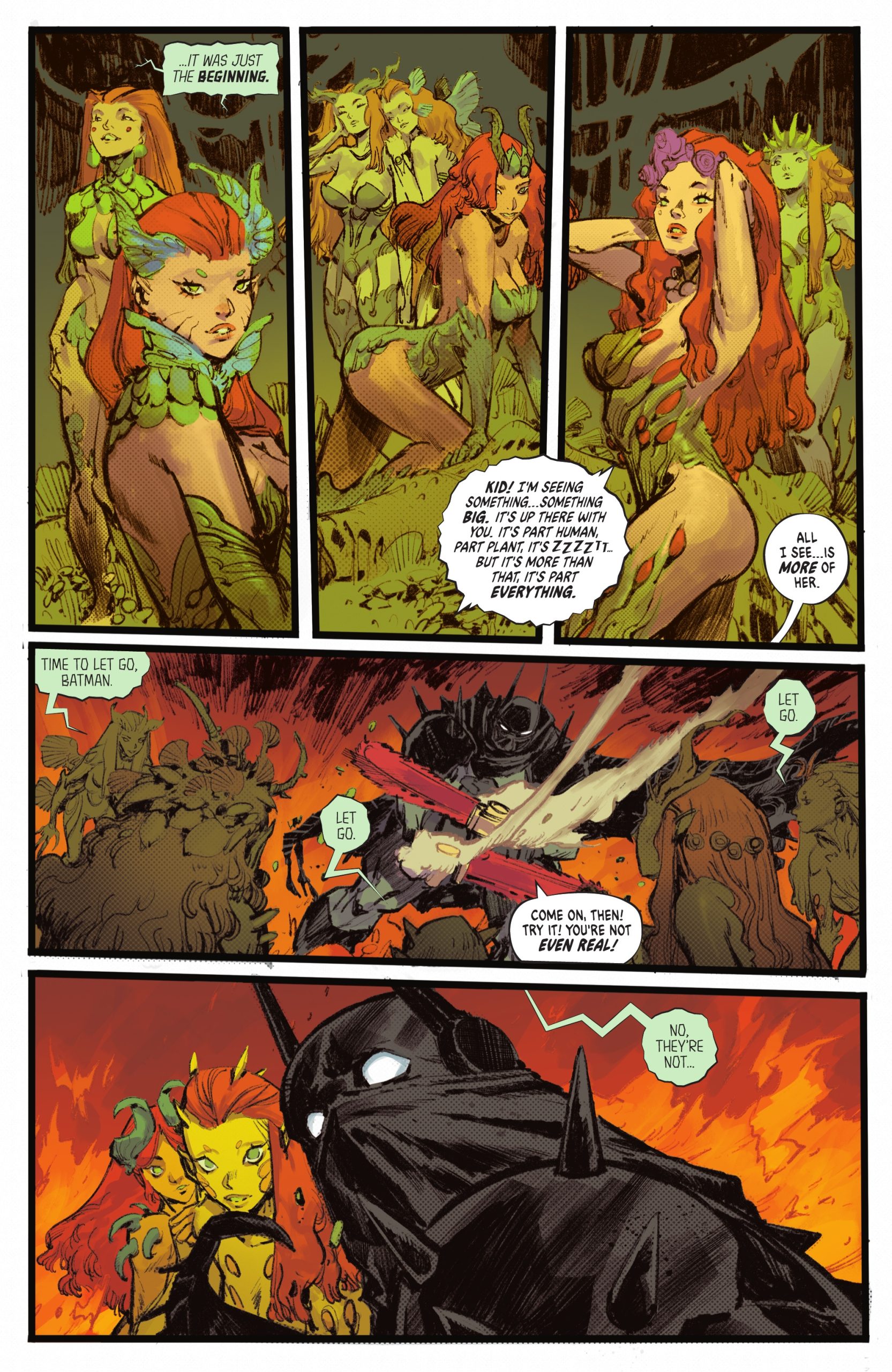
In the present-day timeline, the encounter between Batman and the "foliage-corrupted" police officers presents a significant moral dilemma. Guided by Alfred Pennyworth, who provides technical and tactical support, Batman is forced to contend with the reality that the victims of Ivy’s control are beyond rescue. This interaction serves as a grim milestone in the series, reinforcing the "Absolute" universe’s commitment to higher stakes and more permanent consequences for its characters. The issue culminates in a high-tension encounter with the primary antagonist, revealing a fundamental transformation in her physical form: a human-plant hybrid entity, suggesting that Ivy has become the very force she seeks to weaponize.
Supporting Context: The Burden of Accountability
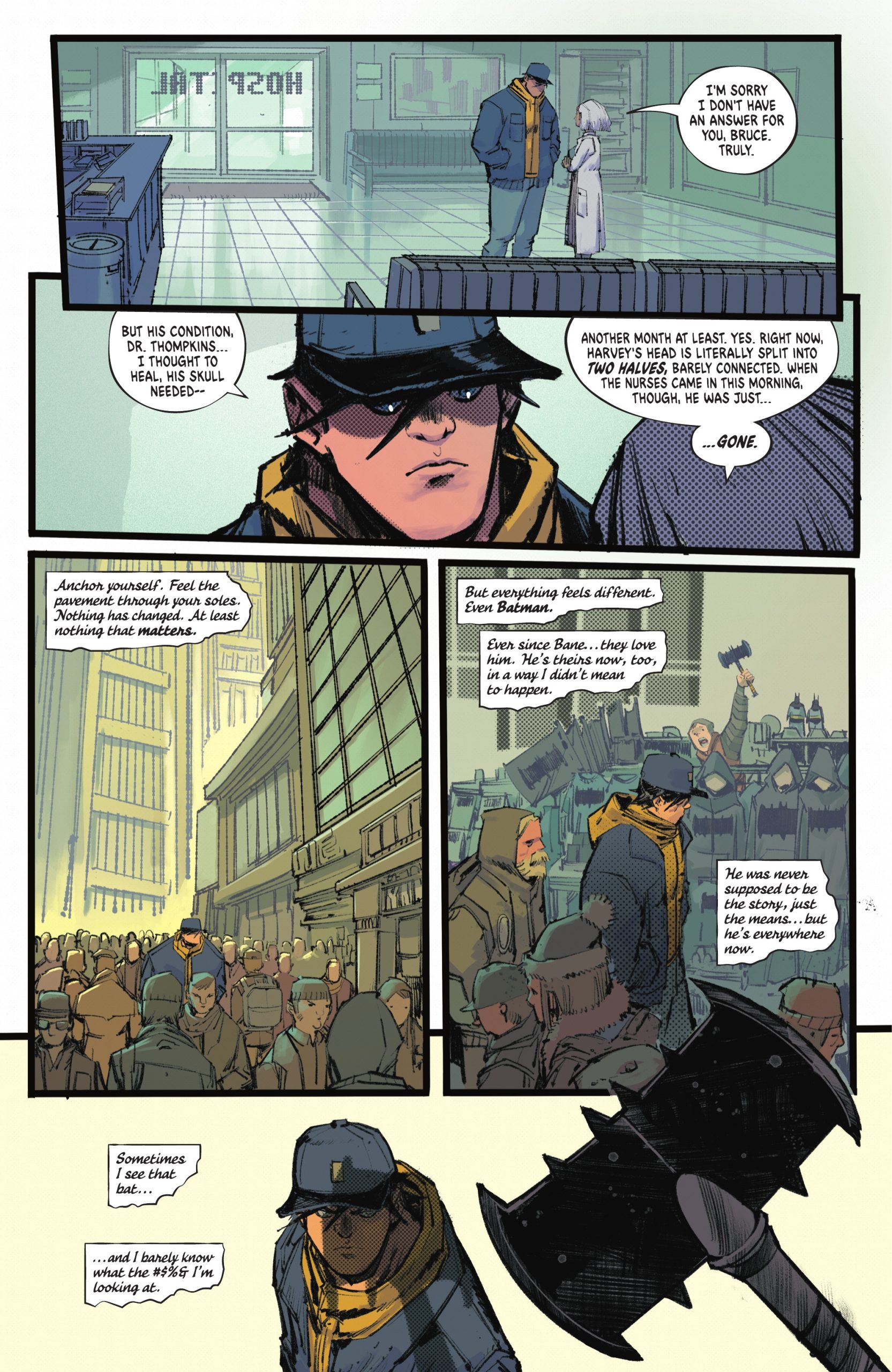
While the physical threat of Poison Ivy dominates the visual landscape, the thematic core of the issue remains the interpersonal wreckage left behind by previous arcs. Bruce Wayne continues his struggle to navigate the strained relationships with his former associates: Oswald Cobblepot, Harvey Dent, Edward Nygma, and Waylon Jones. These individuals, survivors of a previous conflict involving the antagonist Bane, maintain an unwavering stance of resentment toward Wayne.
This ongoing sub-plot highlights a departure from traditional Batman narratives, where the protagonist often operates with a degree of detached stoicism. In the Absolute Universe, Bruce Wayne is explicitly held accountable for the collateral damage caused during his early tenure as a vigilante. Despite his attempts at mediation and apology, the social fabric of his former circle remains fractured. Analysts of the series have noted that this tension creates a significant vulnerability for the protagonist, particularly as the narrative hints at the potential for external manipulation by figures such as The Joker. The persistent hatred held by these former allies is not merely a background detail; it represents a systemic risk to Batman’s operations, as these individuals possess intimate knowledge of his methods and limitations.
Analytical Implications and Future Outlook
The introduction of the "Seventh Kingdom" arc serves several narrative functions. First, it establishes that the environmental threats in this universe are not merely static villains but are capable of terraforming the urban landscape, thereby fundamentally changing the nature of Gotham City’s geography. Second, the issue deepens the characterization of Martha Wayne, whose narrative arc in the final pages introduces a mystery that appears poised to shift the series’ focus toward family legacy and hidden agendas.
From a production standpoint, the collaboration between Scott Snyder, Eric Canete, and Frank Martin demonstrates a commitment to a distinct visual language. The use of vibrant, aggressive colors to contrast with the industrial decay of Gotham underscores the primary thematic tension of the series: the struggle between rigid, man-made structures and the chaotic, organic growth of the natural world.
The lack of a "negative" reception for this issue in early reviews suggests that the pacing and character development have met reader expectations, particularly regarding the integration of classic rogue gallery members into the unique constraints of the Absolute universe. The resolution of the conflict with Poison Ivy is expected to provide further insight into the biological and social hierarchy of this new Gotham.
Broader Impact on the DC Absolute Universe
As the series approaches its next phase, several key questions remain regarding the long-term impact of these events:

- The Persistence of the Seventh Kingdom: If the forest remains in the center of Gotham, the economic and logistical impact on the city’s reconstruction efforts will be a major focal point for future writers.
- The Joker’s Strategy: Given the established animosity between Bruce Wayne and his former allies, the likelihood of a coordinated, multi-front attack remains high. The Joker’s ability to weaponize personal grievances rather than relying solely on chaotic violence suggests a more psychological approach to dismantling the Batman legacy.
- The Nature of the Hybridization: The reveal of Poison Ivy’s hybrid form indicates that the scientific, if not supernatural, rules of this universe are fluid. This sets a precedent for how other classic antagonists might be reimagined in upcoming issues.
In summary, Absolute Batman #17 succeeds as a transitional narrative that manages to balance high-stakes action with significant character-driven drama. By stripping away the comfort of established tropes, the creative team has positioned the series to tackle more complex questions regarding morality, culpability, and the cost of protection. With the subplot regarding Bruce’s former friends acting as a constant undercurrent of tension, the series is well-positioned to escalate toward a significant confrontation that will likely test the limits of its protagonist’s endurance. The conclusion of the "Seventh Kingdom" arc, combined with the revelation surrounding the Wayne family, suggests that the forthcoming issues will continue to redefine the core elements of the Batman mythos for a new generation of readers.
Related posts: