The horror landscape is bracing for a profound expansion as A24 and Peacock prepare to release the highly anticipated prequel series, Crystal Lake. Scheduled to premiere on October 15, 2026, the upcoming television project seeks to inject a fresh narrative depth into one of cinema’s most enduring slasher franchises. Spearheaded by the prestige studio known for redefining contemporary horror, the series has released an official trailer that offers a tantalizing glimpse into its plot mechanics. Beyond the atmospheric cinematography and nostalgic callbacks, the promotional footage strongly suggests that the series will finally tackle and untangle the most glaring continuity puzzle in the Friday the 13th mythos: how young Jason Voorhees survived, where he was hiding, and the true psychological dynamic between him and his grieving mother, Pamela Voorhees.
Main Facts of the Production and Narrative Scope
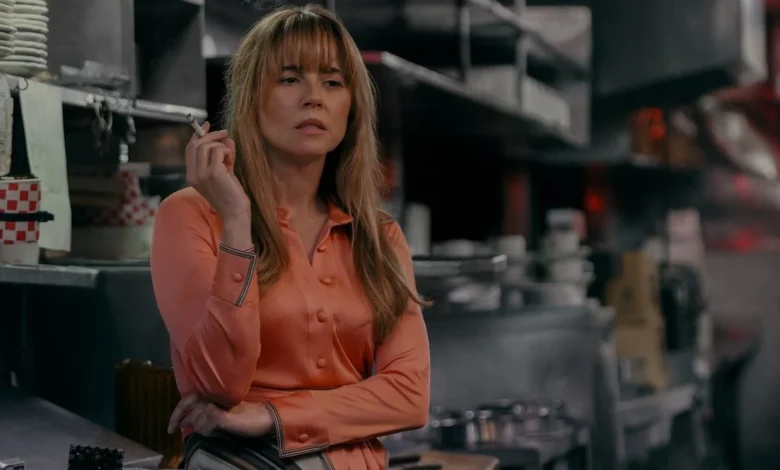
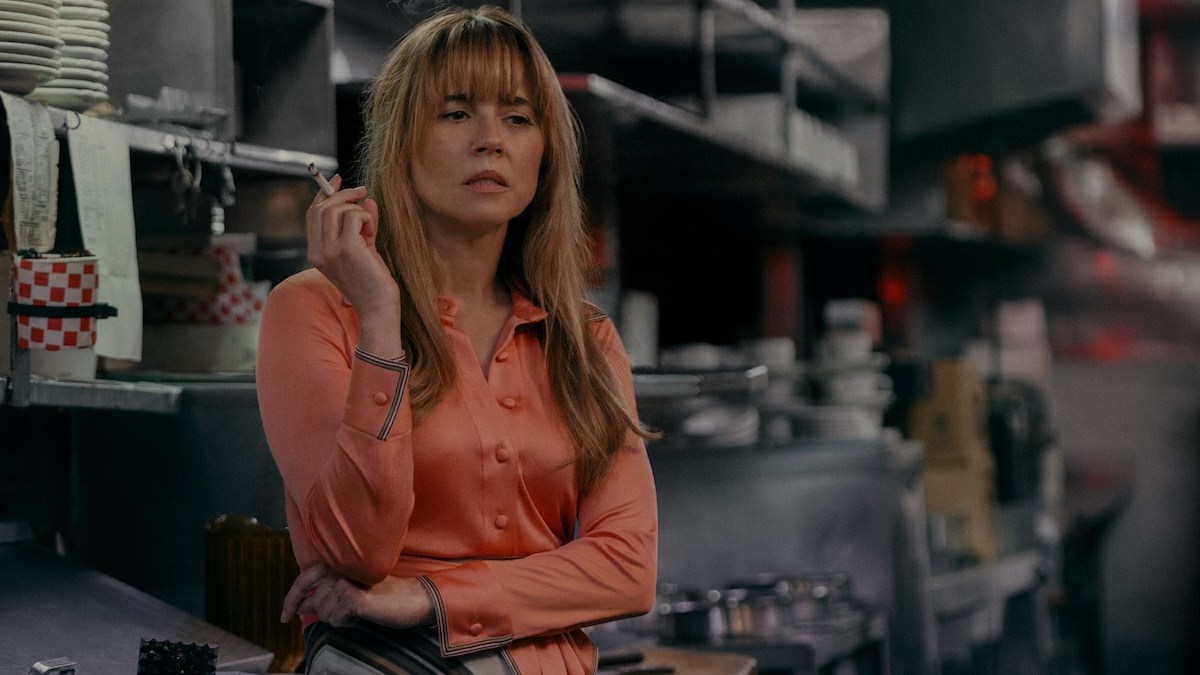
Set against the rustic, isolated backdrop of 1971 New England, Crystal Lake takes place nearly a decade before the tragic events of Sean S. Cunningham’s original 1980 theatrical release. The series positions acclaimed actress Linda Cardellini in the iconic role of Pamela Voorhees, charting her life several years after the harrowing drowning of her son, Jason, at the ill-fated summer camp.
The narrative foundation established by the newly dropped trailer expands far beyond a simple retelling of established lore. While original franchise entries were notoriously unconcerned with rigid continuity—prioritizing visceral kills and holiday-themed suspense over airtight timelines—Crystal Lake aims to establish a cohesive foundation. The trailer reveals that Pamela’s motivations were not merely rooted in sudden, localized hysteria following the attempted reopening of the camp in 1980. Instead, the series posits that Pamela spent years maintaining a resolute, agonizing conviction that her son never actually died.
Complementing Cardellini’s lead performance are key supporting actors who anchor the local community of Camp Crystal Lake and its surrounding township. Nick Cordileone steps into the shoes of the eccentric local cook Crazy Ralph, a character whose frenzied warnings to teenage counselors became a franchise staple. Meanwhile, William Catlett portrays Levon Brooks, the beleaguered town sheriff tasked with maintaining order in a jurisdiction defined by economic stagnation, deep-seated prejudice, and escalating rural tension.
Historical Context and the Franchise Chronology
To understand the weight of what Crystal Lake attempts to achieve, one must examine the chaotic chronology of the Friday the 13th franchise itself. The intellectual property was born out of commercial opportunism following the monumental success of John Carpenter’s Halloween in 1978. Director and producer Sean S. Cunningham sought to capitalize on the burgeoning seasonal slasher market, hiring writer Victor Miller to construct a narrative framework.
Miller conceived a whodunnit murder mystery wherein camp counselors were systematically eliminated by an unseen assailant. The climax famously revealed that the killer was Pamela Voorhees (portrayed masterfully by Betsy Palmer), seeking bloody vengeance for the camp staff’s negligence, which she blamed for her son’s drowning in 1957. However, influenced by the iconic, shocking final-girl hallucination of Tom Savini in Carrie, the filmmakers added a final sting: a decomposed young Jason leaping out of the lake to attack survivor Alice.
When Friday the 13th Part II premiered in 1981, it completely scrambled its own internal logic. The sequel introduced an adult, living, breathing Jason Voorhees who had survived decades in the wilderness, seeking vengeance against Alice for decapitating his mother—who had been seeking vengeance for Jason’s drowning—even though Jason was apparently alive the entire time. Over the span of twelve feature films, the franchise repeatedly contradicted its own established lore. Fans watched Jason evolve from a deformed human hermit into an unkillable supernatural zombie, and eventually into a sci-fi cybernetic entity in Jason X. His relationship with water shifted wildly from a fatal childhood phobia to an aquatic tactical advantage, and his physical appearance was retconned with almost every installment.
By grounding the narrative in 1971—fourteen years after the initial drowning incident and nine years before the 1980 massacre—Crystal Lake is uniquely positioned to bridge these narrative chasms. The trailer’s framing implies that Pamela’s actions were driven by a terrifying symbiosis: if Jason did not die in 1957, or if he returned from the wilderness and began quietly eliminating locals who tormented the Voorhees family, Pamela may have actively covered up his early transgressions, unknowingly laying the groundwork for the legacy of terror that would consume the camp for decades.
A24’s Prestige Approach to Elevated Horror
The involvement of A24 signals a dramatic tonal shift for a property historically associated with low-budget exploitation and straightforward grindhouse thrills. Known for prestige psychological horror and character-driven atmospheric storytelling, A24 brings a distinct level of cinematic craftsmanship to the small screen through this Peacock original production.
Industry analysts and critics have noted that casting an actress of Linda Cardellini’s caliber transforms the project from a nostalgic cash grab into a legitimate psychological character study. In the 1980 original film, Betsy Palmer’s screen time was severely limited, forcing the narrative to rely on exposition to explain Pamela’s descent into madness. Crystal Lake affords Cardellini an episodic multi-hour canvas to dissect Pamela’s internal psychological degradation. The series explores her isolation as an ostracized single mother in a hostile rural community, the crushing grief of losing a child, and the insidious nature of small-town cruelty.
This analytical framing suggests that the series will treat the horrific acts not as mere spectacles of gore, but as the tragic, inevitable output of systemic societal rejection. If the townspeople of Crystal Lake marginalized Pamela and turned a blind eye to the bullying young Jason endured, the narrative naturally frames the ensuing bloodshed as a horrific reckoning against a complicit community.
Implications for the Future of Legacy Horror Intellectual Properties
The release of Crystal Lake carries broader implications for how major entertainment studios manage legacy horror intellectual properties in the modern streaming era. For over a decade, horror franchises have relied heavily on direct-to-video sequels, cyclical reboots, and uninspired requels that prioritize fan service over artistic integrity.
By enlisting an arthouse-leaning studio like A24 to helm a prequel for a traditionally campy, splatter-heavy slasher franchise, Peacock is gambling on a strategy of "elevated IP expansion." This mirrors recent industry trends where classic slasher icons are given high-end television treatments designed to appeal to both die-hard enthusiasts of practical effects and prestige drama consumers who typically dismiss horror as low-brow entertainment.
Furthermore, successfully rationalizing the convoluted timeline of Friday the 13th could set a new benchmark for how long-running franchises handle narrative housekeeping. Should the series manage to deliver a coherent psychological portrait while satisfying expectations for creative, practical-effects-driven kills, it could revitalize the dormant film side of the franchise, potentially paving the way for a long-awaited theatrical return for the masked killer.
Audience Expectations and Release Details
As the October 15, 2026 streaming debut on Peacock approaches, viewer anticipation remains exceptionally high. While purists of the original slasher era often express skepticism regarding prestige reinventions of classic horror monsters, the pedigree of the creative team combined with the trailer’s narrative ambitions have successfully generated widespread industry buzz.
Ultimately, Crystal Lake walks a delicate tightrope. It must satisfy the core demographic of horror fans who expect high-octane suspense, suspenseful cat-and-mouse dynamics, and visceral practical kills, while simultaneously offering the intellectual depth and character nuance expected of modern television dramas. Whether the series succeeds in solving the franchise’s most enduring mysteries without alienating its historical fanbase remains to be seen. However, as the promotional campaign clearly demonstrates, the waters of Camp Crystal Lake still hold dark secrets, and the Voorhees family is finally ready to bring them to the surface.
Related posts: