Star Trek Strange New Worlds Season 4 Nears Dramatic Conclusion as Executive Producer Teases Final Episodes

The fourth season of the critically acclaimed Paramount+ series Star Trek: Strange New Worlds is rapidly approaching its conclusion, with only two installments remaining in the current production slate. Following the release of the eighth episode, titled "Orders of Magnitude," the series has sparked significant discussion among the science fiction community regarding its narrative direction and its adherence to the core tenets of the franchise. During the recent Star Trek Day festivities held in Los Angeles to commemorate the 60th anniversary of the legendary spacefaring saga, executive producer and co-showrunner Henry Alonso Myers provided exclusive insights into the creative process behind the season’s penultimate and final chapters.
The Creative Philosophy Behind Orders of Magnitude
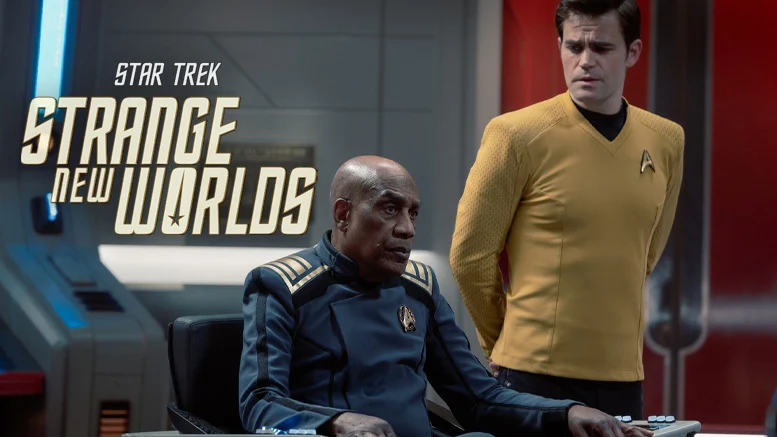
The eighth episode of the fourth season, "Orders of Magnitude," represents a pivotal moment in the series’ ongoing narrative arc. The episode centers on an intense confrontation between the iconic James T. Kirk, portrayed by Paul Wesley, and the formidable war hero Admiral Reeger, brought to life by veteran actor Joe Morton. The narrative conflict is ignited when Admiral Reeger assumes command of the U.S.S. Enterprise under emergency protocols to pursue an elusive, cloaked vessel—widely suspected to be a prototype Romulan warbird—responsible for the devastating loss of five million colonial lives.
With Captain Christopher Pike and Commander Una Chin-Riley currently occupied on a separate mission, the temporary promotion of James T. Kirk to the role of first officer places him in the crosshairs of a moral crisis. The tension escalates when Admiral Reeger issues a direct order to destroy a planet inhabited by 5,000 civilians to secure a tactical advantage. Kirk’s subsequent defiance of this order serves as the thematic anchor of the episode.

Henry Alonso Myers emphasized that the creative team intentionally avoided presenting this choice as a simplistic binary of good versus evil. "We wanted to explore what constitutes a genuine challenge for a commander," Myers stated during the event. "The aspects that are most interesting and challenging for a captain involve standing up to authority when one’s internal moral compass contradicts the stated objectives of a battle. Making the decision easy for Kirk would have been a disservice to the dramatic weight of the story. By pushing him to his absolute limits, we gain a clearer understanding of his character and his willingness to risk his career for his convictions."
Architectural Influences and Classic Trek Legacy
The production of "Orders of Magnitude" was designed to evoke the spirit of the original 1966 series while integrating modern pacing and character development. When pressed on the comparisons between this episode and the 1995 submarine thriller Crimson Tide, Myers acknowledged the shared DNA of high-stakes military drama but firmly rooted the episode’s inspiration in the foundational history of the franchise.
"I would categorize this episode as part ‘Doomsday Machine’," Myers noted, referencing the celebrated second-season episode of the original series. By blending classic elements with a contemporary narrative structure, the production team sought to balance the macro-level conflict of the ship’s mission with the micro-level character growth of James T. Kirk. This approach aligns with the established strategy for Strange New Worlds, which consistently aims to bridge the gap between retro-aesthetic sensibilities and modern television’s demand for serialized character arcs.
Chronology and the Path to the Season Finale
The release schedule for the remainder of the season follows a strict weekly cadence, maintaining momentum leading up to the climactic finale. The penultimate episode, titled "Once La’an a Time," is scheduled for release on Thursday, September 17. According to Myers, this episode functions as a spiritual successor to a narrative thread introduced in a previous season, promising to deliver significant twists that will alter the audience’s perception of the established timeline.

The season finale, titled "Tomorrow’s Enterprise," has already generated significant speculation due to its explicit inclusion of time travel mechanics. While the franchise has a long-standing history of temporal narratives, Myers insists that the creative team has developed a novel approach for this outing. "Every time we approach a time travel narrative, we strive to execute it in a manner that distinguishes itself from our previous work. I am confident we have succeeded in this regard, offering viewers a perspective that bridges the gap between the past and the future in a unique, structural fashion."
Production Context and Franchise Milestones
The discussions at the Star Trek Day event coincide with a broader period of celebration for the franchise. 2026 marks the 60th anniversary of the original Star Trek series, a milestone that has prompted a reflective look at the evolution of the brand. The event in Los Angeles served as a central hub for cast members and producers to interact with the fan base, with panels featuring key creative forces such as Rebecca Romijn, Christina Chong, and Ethan Peck.
Data regarding the reception of Strange New Worlds indicates that the show has maintained a high critical approval rating throughout its fourth season. The decision to lean into high-stakes, character-driven conflict has been lauded by critics who view the series as the most faithful successor to the "episodic discovery" format that defined the franchise’s golden era. The integration of high-profile guest stars like Joe Morton has also bolstered the show’s profile, signaling a commitment to high-caliber performance standards that complement the high-budget visual effects.
Analytical Implications for the Narrative Arc
The decision to feature James T. Kirk in such a high-pressure scenario suggests a broader strategic move by the writers’ room to further develop his evolution from a capable officer into the legendary captain of the Enterprise. By placing him in conflict with a decorated Admiral, the show mirrors the complex political and ethical landscape of the 23rd century.

Furthermore, the focus on the "cloaked ship" mystery suggests that the finale may resolve lingering plot threads that have been teased throughout the season. The use of time travel in the final episode also implies a potential "reset" or "reframing" of events, a common trope in Star Trek that allows writers to explore "what if" scenarios while maintaining the integrity of the primary continuity. As the season concludes, the industry will be watching to see how the creative team balances these heavy sci-fi concepts with the emotional grounding that has become the hallmark of the series.
Conclusion and Future Outlook
As the production team looks toward the final two episodes, the atmosphere surrounding the show remains one of anticipation. The successful blend of classic Trek archetypes with modern, nuanced storytelling has solidified Strange New Worlds as a cornerstone of the contemporary science fiction landscape. With the finale promising a unique take on temporal mechanics and the penultimate episode serving as a narrative bridge to past events, the conclusion of season four is poised to be a significant event in the ongoing history of the franchise.
For fans seeking further insight into the production, the All Access Star Trek podcast continues to offer extensive interviews and analytical recaps of the series’ progression. As the September 17 release date for "Once La’an a Time" approaches, the discourse surrounding the fate of the Enterprise crew and the resolution of the season-long mysteries will undoubtedly intensify, marking yet another milestone in the enduring legacy of the Star Trek universe.