“Rubberhead”: Nick Taylor spolights the SFX work of Steve Johnson | Slice of SciFi

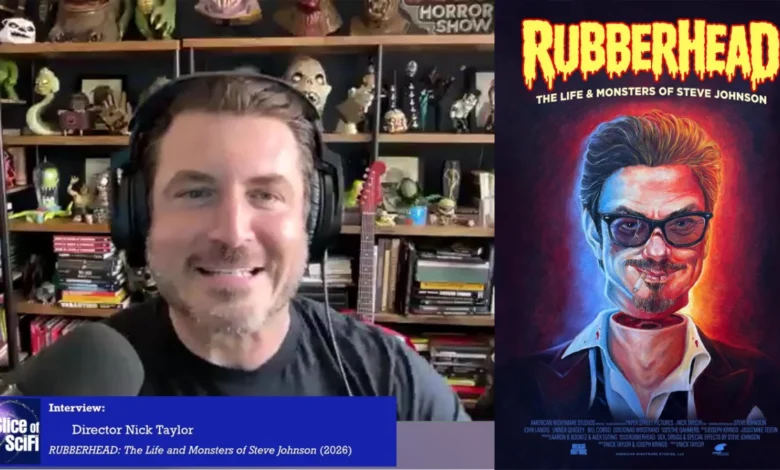
The upcoming documentary, directed by Nick Taylor, delves into the captivating and often tumultuous life of Steve Johnson, a craftsman whose innovative techniques and unforgettable creature designs have left an indelible mark on cinematic history. From the groundbreaking practical effects that thrilled audiences in the 1980s and 90s to the personal journey chronicled in Johnson’s own memoirs, "Rubberhead: Sex, Drugs, and Special FX," the film promises an in-depth exploration of a career defined by both dazzling highs and challenging lows.
A Deep Dive into a Legacy of Practical Effects
"Rubberhead: The Life and Monsters of Steve Johnson" emerges from director Nick Taylor’s deep fascination with Steve Johnson’s life story, particularly as detailed in the artist’s candid and multi-volume memoir, "Rubberhead: Sex, Drugs, and Special FX." Taylor’s journey into Johnson’s world involved meticulously sifting through a vast archive of his work, a treasure trove of sketches, molds, and completed creations that speak volumes about the dedication and artistry involved.
The documentary aims to reacquaint audiences with the visceral thrill of practical special effects, a craft that Johnson has championed throughout his career. In an era increasingly dominated by digital imagery, the film seeks to highlight the enduring appeal and tangible impact of meticulously crafted animatronics, prosthetics, and makeup effects. This renewed appreciation for practical effects is not merely nostalgic; it reflects a growing sentiment among cinephiles who value the artistry and physicality that these techniques bring to the screen. Data from industry reports and audience surveys consistently show a strong preference for well-executed practical effects, often citing their ability to lend a greater sense of reality and emotional weight to fantastical creatures and transformations.
The Genesis of a Documentary: From Memoir to Screen
The genesis of "Rubberhead: The Life and Monsters of Steve Johnson" can be traced back to Taylor’s engagement with Johnson’s published works. The memoir, intended to span five volumes, offers an unvarnished look at the highs and lows of a career in a demanding and often unpredictable industry. It’s a narrative that encompasses not only creative triumphs but also the personal struggles that often accompany intense artistic pursuits in Hollywood.
Taylor’s decision to bring Johnson’s story to the screen was fueled by the artist’s remarkable ability to translate imaginative concepts into tangible, awe-inspiring realities. Johnson’s portfolio reads like a who’s who of iconic cinematic monsters and memorable creature effects. His contributions can be seen in films that have become cornerstones of science fiction and horror genres, solidifying his reputation as a pivotal figure in the evolution of special effects.
Timeline of a Special Effects Pioneer
Steve Johnson’s career trajectory is a testament to his adaptability and innovative spirit. While the exact timeline of his involvement in every project is extensive, key milestones in his career, and thus the context for the documentary, can be broadly understood:
- Early Career and Foundation Building: Johnson’s formative years in the special effects industry likely involved apprenticing and honing his skills under established artists. This period would have been crucial for developing the technical proficiency and artistic vision that would later define his work. The late 1970s and early 1980s saw a significant boom in practical effects, providing fertile ground for emerging talents.
- Breakthroughs and Iconic Creations: The 1980s marked a period of significant breakthroughs for Johnson. His work on films like Ghostbusters (1984), where he was instrumental in the design and execution of the terrifying Slimer, and The Fly (1986), which featured groundbreaking prosthetic transformations, cemented his status as a leading special effects artist. The latter, in particular, is often cited as a benchmark for its visceral and deeply disturbing creature design, earning widespread critical acclaim and numerous awards.
- Continued Innovation and Diverse Projects: Throughout the late 1980s and 1990s, Johnson continued to contribute to a diverse range of films, tackling everything from alien creatures to monstrous transformations. His work on Predator (1987), where he contributed to the iconic design of the titular alien, and Innerspace (1987), showcasing intricate miniaturization and creature effects, further showcased his versatility.
- Navigating Industry Shifts: As the film industry began to embrace digital effects more broadly in the late 1990s and into the 2000s, Johnson, like many practical effects artists, had to adapt. The documentary is expected to explore how he navigated these evolving technological landscapes, continuing to find ways to integrate his craft into modern filmmaking.
- The Memoir and Documentary Project: The decision to document his life and career through memoirs and now a feature-length film signifies a period of reflection and a desire to share his experiences, both artistic and personal, with a wider audience. This retrospective approach allows for a comprehensive examination of his impact.
Supporting Data: The Enduring Power of Practical Effects
The documentary’s focus on practical effects is timely. While CGI has become ubiquitous, the tactile, physical nature of practical effects offers a unique cinematic experience.
- Audience Resonance: Surveys and fan forums frequently highlight a preference for practical effects in horror and sci-fi. The immediacy and perceived authenticity of a physical creature or prosthetic can create a more profound emotional connection for viewers compared to purely digital creations, which can sometimes appear artificial or detached.
- Filmmaker Preference: Despite the prevalence of CGI, many directors and producers still champion practical effects for their ability to enhance realism and provide tangible elements for actors to interact with. This can lead to more grounded performances and a more cohesive on-screen world.
- Award Recognition: The continued presence of categories for makeup and prosthetic effects at major film awards ceremonies, such as the Academy Awards, underscores the ongoing importance and recognition of this discipline.
Fantasia International Film Festival Premiere: A Fitting Debut
The premiere of "Rubberhead: The Life and Monsters of Steve Johnson" at the Fantasia International Film Festival on July 23, 2026, is a strategic and fitting choice. Fantasia is renowned for its dedication to genre cinema, celebrating independent filmmaking and the artistry behind cult classics and groundbreaking genre films. This festival audience is precisely the demographic that will most appreciate Johnson’s contributions and the documentary’s exploration of his legacy.
The festival setting provides an ideal platform for a film that celebrates the often-unsung heroes of filmmaking – the special effects artists who bring fantastical worlds to life. It offers an opportunity for direct engagement with fans, filmmakers, and industry professionals, fostering discussion and appreciation for the craft of practical effects.
Statements and Reactions (Inferred)
While direct statements from all parties involved in the documentary project may not be publicly available at this stage, logically inferred reactions and sentiments can be anticipated:
- Director Nick Taylor: Taylor’s passion for the project is evident in his deep dive into Johnson’s work and life. His stated fascination with the memoir suggests a commitment to presenting an honest and compelling narrative that captures both the artistic genius and the human element of Johnson’s journey. He likely aims to educate audiences about the intricate and often arduous process of creating practical effects, highlighting the dedication and talent required.
- Steve Johnson: For Steve Johnson, the documentary and the ongoing memoir project represent an opportunity to reflect on a career that has spanned decades and significantly influenced the landscape of special effects. He may express a desire to ensure his contributions are recognized and to offer insights into the challenges and rewards of his chosen profession, perhaps hoping to inspire future generations of artists.
- Film Industry Professionals: Many actors, directors, and fellow special effects artists who have worked with Johnson over the years are likely to have fond memories and high regard for his talent and professionalism. Reactions from these individuals, should they be featured in the documentary or speak publicly, would likely emphasize his creativity, problem-solving skills, and his significant impact on the films they collaborated on. They might also speak to the collaborative nature of special effects work and Johnson’s role within those teams.
Broader Impact and Implications
The release of "Rubberhead: The Life and Monsters of Steve Johnson" carries broader implications for the film industry and for audiences:
- Revitalizing Interest in Practical Effects: By shining a spotlight on Steve Johnson’s remarkable career, the documentary has the potential to reignite public and industry interest in the art of practical special effects. This could encourage more filmmakers to explore these techniques, leading to a richer and more diverse cinematic landscape.
- Appreciation for Craftsmanship: The film serves as a valuable educational tool, illustrating the immense skill, artistry, and labor involved in creating convincing special effects. It offers a behind-the-scenes look at a craft that is often taken for granted by audiences.
- Understanding the Artist’s Journey: Beyond the technical aspects, the documentary promises to explore the personal journey of Steve Johnson, including the sacrifices and challenges faced by artists in Hollywood. This human element can resonate deeply with viewers and offer a more nuanced understanding of the creative process.
- Preservation of Cinematic History: By documenting the work of a key figure in special effects history, "Rubberhead" contributes to the preservation of cinematic heritage. It ensures that the contributions of artists like Steve Johnson are remembered and celebrated for future generations.
In an era where digital tools can create almost anything imaginable, "Rubberhead: The Life and Monsters of Steve Johnson" reminds us of the enduring magic and artistry of bringing the impossible to life through tangible, meticulously crafted effects. The film promises to be a compelling tribute to a visionary artist and a celebration of a vital, and perhaps underappreciated, aspect of filmmaking.