Splatoon Raiders Debuts on Switch 2 as Nintendo Developers Detail the Evolution of the Franchise into the Looter Shooter Genre

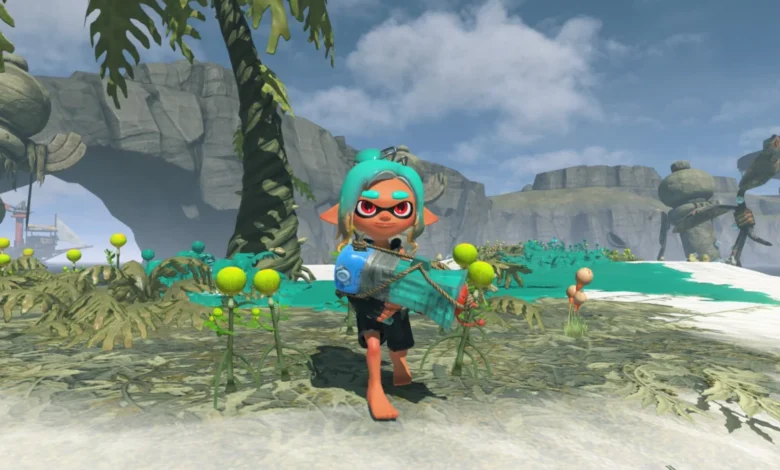
The global gaming community is preparing for the release of Splatoon Raiders on July 23, marking a significant milestone for Nintendo as it brings one of its most successful modern intellectual properties to the newly launched Switch 2 hardware. Moving away from the strictly competitive turf-war mechanics that defined the first three entries in the series, Splatoon Raiders represents a strategic pivot toward the looter shooter and cooperative PvE (Player vs. Environment) genres. To commemorate the launch, Nintendo released a comprehensive "Ask the Developer" interview featuring four core members of the Nintendo Entertainment Planning & Development (EPD) team: producer Seita Inoue, director Yoshihiko Ito, art director Koji Sonoyama, and sound director Shu Tamura. The discussion provides a rare glimpse into the iterative, often experimental process of modernizing a franchise while maintaining its core identity.
A Strategic Departure: Why Splatoon Raiders is Not Splatoon 4
The decision to categorize this new entry as a spin-off rather than a numbered sequel was a deliberate choice by the production team. Producer Seita Inoue explained that while the competitive spirit of Splatoon remains a cornerstone of the brand, there was a growing desire within the studio to explore a different rhythm of gameplay. By labeling the project Splatoon Raiders, the team felt they had the creative freedom to prioritize a solo and cooperative experience without the pressure of balancing a high-stakes competitive multiplayer environment.
Inoue noted that the team wanted to create a space where players could "savor the action" at their own pace. This shift is aimed at broadening the franchise’s appeal to players who may find the frantic nature of online PvP (Player vs. Player) matches intimidating or repetitive. However, the developers were quick to reassure fans that competitive gameplay is not being abandoned; rather, Splatoon Raiders serves as a parallel expansion of the universe, allowing the developers to test new progression systems that may eventually influence the future of the mainline series.
The Evolution of Gameplay: From Base Defense to Dynamic Action
One of the most revealing aspects of the development history shared by Director Yoshihiko Ito was the game’s original concept. In its early stages, Splatoon Raiders was envisioned as a solo-oriented experience centered on base defense and trap placement. The early prototypes involved players setting up elaborate defensive perimeters to ward off waves of Salmonids, with the gameplay leaning heavily into strategy and environmental management.
However, during internal testing, the team discovered that this "fortress-building" approach detracted from the kinetic energy that fans associate with the series. Ito remarked that watching a fortress play out felt passive, causing the game to lose its "Splatoon-ness." The essence of the franchise, according to the developers, lies in the "unity between the player and the character," a feeling facilitated by the precision of gyro controls and the tactile sensation of ink-shooting mechanics.
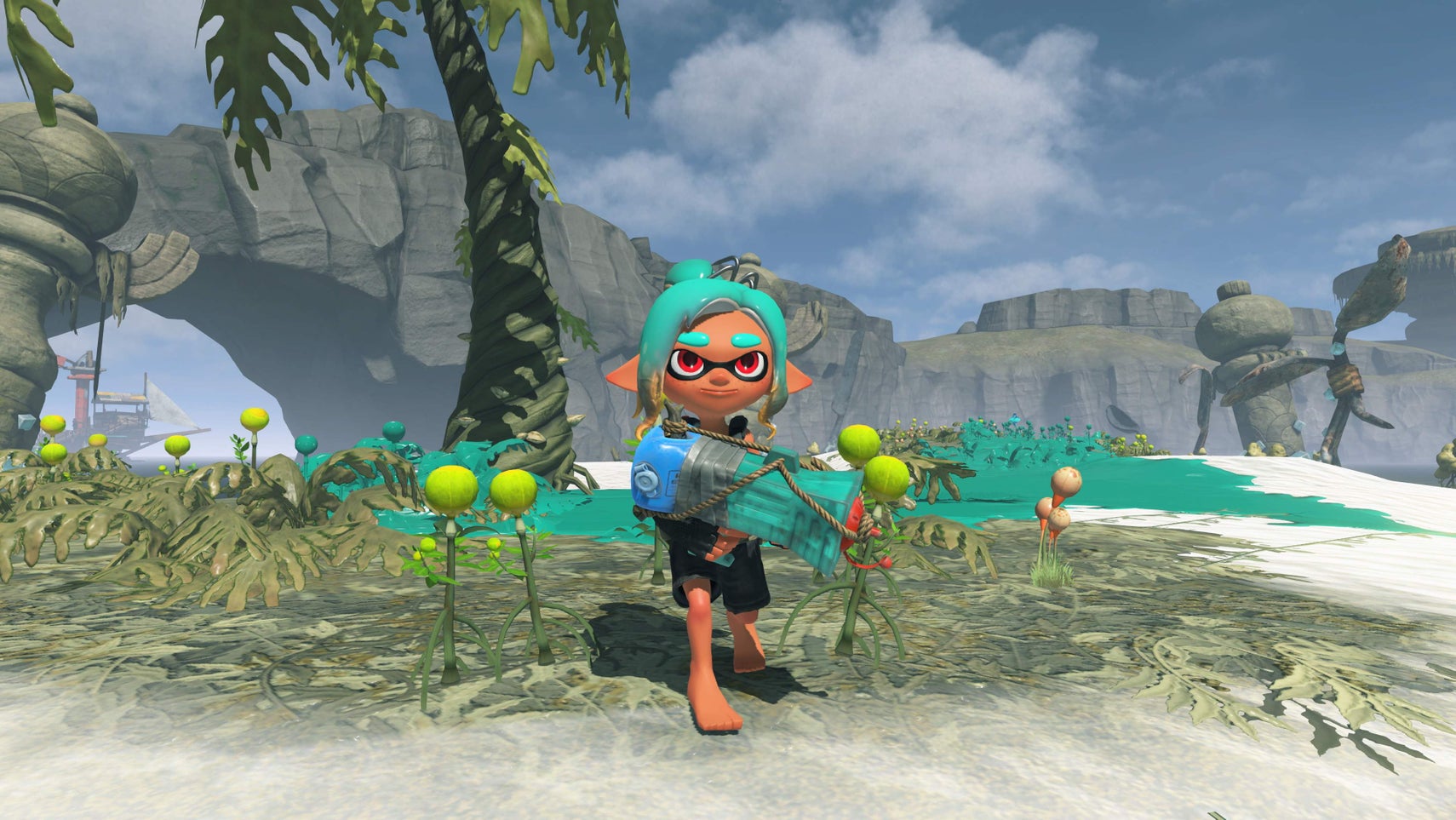
To reclaim this dynamic feel, the EPD team pivoted toward a more active combat system. This led to the introduction of "gadgets"—specialized tools and abilities that allow players to interact with the environment and enemies in ways previously unseen in the series. These gadgets enable high-mobility maneuvers and powerful offensive bursts, shifting the focus from waiting for enemies to arrive to actively hunting them down across sprawling, multi-layered levels.
Progression and the Looter Shooter Formula
Splatoon Raiders integrates a deep progression system designed to sustain player engagement over dozens, if not hundreds, of hours. Drawing inspiration from the looter shooter genre, the game features repeatable missions that task players with harvesting resources and securing "loot" from defeated Salmonids and massive boss creatures.
The loop of the game is built around the concept of becoming an "ultimate multitasker." Players must balance their primary weapon fire with the deployment of gadgets and the management of ink levels, all while navigating increasingly complex objectives. Director Ito emphasized that the satisfaction of the game comes from the dual growth of the player: the improvement of their in-game equipment and the refinement of their actual physical skill with the controls.
This progression is supported by a wide array of weapons and gear that can be customized and upgraded. Unlike previous titles where gear was largely tied to cosmetic perks and minor stat boosts, the equipment in Splatoon Raiders has a more profound impact on gameplay style, allowing for "builds" that cater to specific roles in cooperative play, such as crowd control, boss DPS (Damage Per Second), or mobility-based scouting.
The Technical Leap: Splatoon on the Switch 2
The move to the Switch 2 has allowed Nintendo EPD to push the visual and technical boundaries of the Splatoon universe. Art director Koji Sonoyama and sound director Shu Tamura discussed how the new hardware capabilities influenced the game’s atmosphere. With the increased processing power, the team was able to render larger hordes of enemies simultaneously, creating a sense of scale and "hectic delight" that was previously limited by hardware constraints.
The visual fidelity has seen a significant upgrade, with more complex ink shaders and environmental lighting that enhance the grittier, more industrial aesthetic of the "Raider" theme. Sound director Shu Tamura also noted that the audio landscape has been expanded to provide better spatial awareness, which is crucial for players trying to track enemy movements in a 360-degree combat environment. The iconic "Splatoon sound"—a mix of wet, squelching ink effects and high-energy, fictional-language pop and rock—remains, but it has been rearranged to fit the more intense, survival-focused tone of the missions.

Chronology of the Splatoon Franchise
To understand the significance of Splatoon Raiders, it is helpful to look at the timeline of the franchise’s evolution:
- 2015: Splatoon (Wii U) – The franchise debuts, introducing the world to Inklings and the Turf War mechanic. It establishes the use of gyro controls as a standard for the series.
- 2017: Splatoon 2 (Nintendo Switch) – The sequel introduces "Salmon Run," a four-player cooperative mode that serves as the spiritual predecessor to the gameplay found in Raiders.
- 2022: Splatoon 3 (Nintendo Switch) – The game refines the competitive experience and introduces a more robust single-player campaign, "Return of the Mammalians," which experimented with more complex mission structures.
- 2024: Splatoon Raiders (Switch 2) – The series officially branches out into the looter shooter genre, prioritizing PvE and long-term character progression over traditional PvP.
Industry Analysis and Initial Reception
Early critical reception for Splatoon Raiders has been largely positive. Eurogamer awarded the title a four-star review, describing it as an "overwhelming delight" that successfully captures the chaos of a horde shooter while maintaining the charm of the Nintendo brand. Critics have noted that while the core gameplay often boils down to "blasting something and trying to stay alive," the sheer variety of weapons and the polish of the encounter design keep the experience from feeling repetitive.
Industry analysts suggest that Splatoon Raiders is a vital part of Nintendo’s strategy for the Switch 2. By launching a spin-off of a major IP early in the console’s lifecycle, Nintendo is able to cater to an established fan base while simultaneously testing the waters for "live-service" elements. The looter shooter model is inherently designed for longevity, with the potential for seasonal updates, new bosses, and expanded gear sets that could keep players engaged for years.
Furthermore, the focus on cooperative play aligns with broader industry trends where "social gaming" and PvE experiences have seen a massive surge in popularity. By lowering the barrier to entry—removing the frustration of losing to highly skilled opponents in a competitive ladder—Nintendo is positioning Splatoon Raiders as a gateway for a more casual audience to enter the Splatoon ecosystem.
Implications for the Future
The success of Splatoon Raiders could signal a new era for Nintendo’s development philosophy. Historically, the company has been cautious about following Western gaming trends like the looter shooter or heavy live-service models. However, the depth of the "Ask the Developer" interview suggests that the EPD team is fully committed to this new direction.
As players begin their journey into the Salmonid-infested territories tomorrow, the focus will be on how well the game’s progression loop holds up over time. If Splatoon Raiders succeeds in maintaining a consistent player base, it may pave the way for other Nintendo franchises to receive similar "Raider" style spin-offs, further diversifying the company’s portfolio on the Switch 2. For now, the Inklings and Octolings are trading their turf-war brushes for high-tech gadgets and loot, proving that even after nearly a decade, the world of Splatoon is still capable of making a massive splash.