Ryan Hurst Exits Amazon God of War Series Following On Set Injury Forcing Major Recasting and Production Reshoots

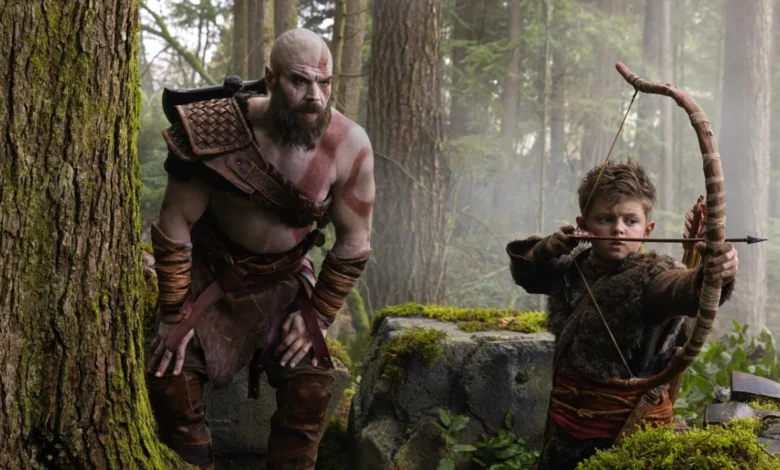
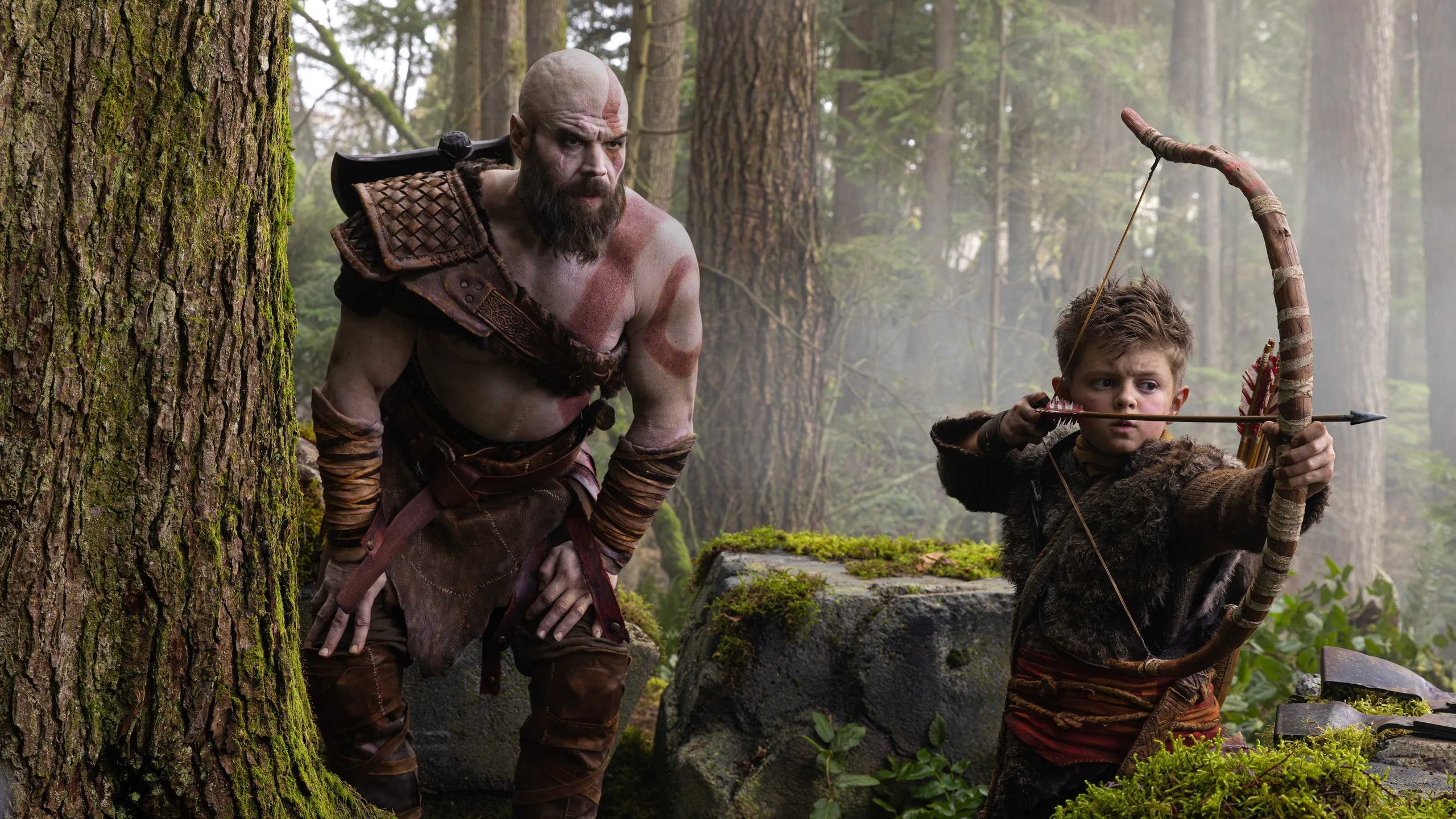
The production of Amazon Prime Video’s highly anticipated live-action adaptation of God of War has encountered a significant and costly setback. Ryan Hurst, the veteran actor cast to portray the iconic protagonist Kratos, has officially exited the project following a severe injury sustained during filming. According to industry reports and sources close to the production, Hurst suffered a torn bicep during an intensive action sequence, an injury that required immediate surgical intervention and a lengthy rehabilitation period. Consequently, Amazon MGM Studios and Sony Pictures Television have made the difficult decision to recast the role of the Ghost of Sparta, necessitating a complete restart of production and the discarding of several finished episodes.
The Nature of the Injury and the Departure of Ryan Hurst
The incident occurred during the filming of a high-intensity combat scene, a staple of the God of War franchise which is renowned for its visceral and physically demanding action. Hurst, who had undergone a grueling physical transformation for the role, reportedly "underwent a physical transformation" that included gaining approximately 40 pounds of muscle to match the imposing silhouette of the Norse-era Kratos. The physical toll of maintaining such a physique, combined with the rigors of stunt work, culminated in the bicep tear.
Following the injury, Hurst underwent surgery and is currently in the initial stages of recovery. While the actor is expected to make a full recovery, the timeline for his return to the level of physical peak required for the role does not align with the studio’s production schedule. For a series of this magnitude, which relies heavily on the physical presence and stamina of its lead, a months-long delay for recovery was deemed untenable. Furthermore, the production involves a child actor in the role of Atreus, Kratos’ son. Given the rapid growth of child performers, significant production delays often create continuity issues, further complicating the decision to wait for Hurst’s recovery.
Financial and Logistical Implications of the Recasting
The decision to recast Kratos is not merely a creative hurdle but a massive logistical and financial undertaking. At the time of Hurst’s injury, the production had reportedly wrapped filming on four complete episodes. In the world of prestige television, where budgets for genre adaptations like Fallout and The Last of Us frequently exceed $10 million to $15 million per episode, the loss of four episodes represents a "sunk cost" of tens of millions of dollars.
Because Kratos is the central figure in nearly every scene, the existing footage cannot be salvaged through clever editing or body doubles. The new actor will need to reshoot every sequence previously completed by Hurst. This "huge reset" includes not only the principal photography but also the work of supporting cast members, hundreds of extras, and the complex stunt choreography that had already been synchronized with Hurst’s movements.
Amazon has announced a tentative plan to restart production by mid-October. This window provides the casting directors approximately three months to secure a replacement who possesses both the acting caliber and the physical stature required to embody one of gaming’s most recognizable figures.
Background Context: The Development of the God of War Series
The journey to bring God of War to the small screen has been a long and occasionally turbulent one. Initially announced in 2022, the series is a collaboration between Amazon MGM Studios, Sony Pictures Television, and PlayStation Productions. The show is set to adapt the 2018 "soft reboot" of the franchise, which moved Kratos from the blood-soaked shores of ancient Greece to the frozen, myth-laden realms of Midgard.
The narrative focuses on the relationship between an older, more reserved Kratos and his young son, Atreus, as they embark on a journey to scatter the ashes of Kratos’ deceased wife, Faye, from the highest peak in the nine realms. This shift in tone—from the mindless rage of the original trilogy to a meditative exploration of fatherhood and redemption—made the casting of Kratos a subject of intense scrutiny among the fanbase.
Hurst’s casting had originally met with a divided response. While many praised his previous work—specifically his portrayal of Thor in the video game God of War: Ragnarok and his role as Beta in AMC’s The Walking Dead—others were skeptical of his physical fit for the role after initial promotional images surfaced. The "dad-bod" versus "god-bod" debate permeated social media, and Hurst’s untimely departure means he will not have the opportunity to showcase the results of his physical transformation on screen.
Chronology of Events
To understand the impact of this development, it is necessary to look at the timeline of the production:
- March 2022: Reports first surface that Amazon is in negotiations for a live-action God of War series.
- December 2022: Amazon Prime Video officially orders the show to series, with Rafe Judkins (The Wheel of Time) initially attached as showrunner alongside writers Mark Fergus and Hawk Ostby.
- Late 2023 – Early 2024: Rumors circulate regarding casting, eventually leading to the confirmation of Ryan Hurst as Kratos.
- Early 2024: Hurst begins a rigorous training regimen, gaining 40 pounds of muscle.
- Spring 2024: Principal photography begins on location and in studio environments.
- Early Summer 2024: Four episodes are completed.
- July 2026 (Projected Timeline): Hurst sustains a torn bicep on set. Production is immediately halted.
- Late July 2026: Deadline confirms Hurst’s departure and the studio’s intent to recast.
- Mid-October 2026: Planned date for the restart of principal photography with a new lead actor.
Potential Candidates and the Casting Challenge
The search for a new Kratos is now the most watched casting call in Hollywood. The role requires a unique blend of intimidating physicality and quiet, simmering emotional depth. Several names have frequently appeared in fan circles and industry speculation:
- Christopher Judge: The actor who provides the voice and motion capture for Kratos in the games. While he is the definitive voice of the character, questions have been raised about whether the studio seeks a different physical profile for the live-action iteration.
- Jason Momoa: Known for Aquaman and Game of Thrones, Momoa possesses the requisite size and has experience in high-fantasy settings, though his busy schedule may be a deterrent.
- Alan Ritchson: Following his breakout success in Amazon’s Reacher, Ritchson has become a favorite for physically imposing roles, though his current commitments to Reacher could pose a conflict.
- Triple H (Paul Levesque): While a retired wrestler, his look has often been compared to the Spartan general, though his lack of extensive dramatic acting experience makes him a long shot for a prestige drama.
The production team faces the daunting task of finding someone who can not only look the part but also develop immediate chemistry with the actor playing Atreus, as the father-son dynamic is the emotional core of the series.
Industry Impact and the "Gaming Curse"
This setback comes at a time when video game adaptations are enjoying a renaissance. The success of HBO’s The Last of Us and Amazon’s own Fallout has proven that gaming intellectual property (IP) can be both critically acclaimed and commercially dominant. However, the God of War situation serves as a reminder of the inherent risks in high-budget genre filmmaking.
The "gaming curse," once thought to be broken by high-quality writing, still looms in the form of production instability. God of War has already seen creative shifts behind the scenes, including reports of script overhauls. Adding a total production restart due to lead-actor injury is a rare occurrence in the industry, comparable to the recasting of the lead role in Spartacus following Andy Whitfield’s tragic illness, or the mid-production changes seen in films like All the Money in the World.
Analysts suggest that Amazon’s willingness to "reset" rather than push forward with a compromised vision indicates a high level of confidence in the IP. They are likely prioritizing long-term brand health over immediate release windows. If the show is a hit, it could span multiple seasons covering the entire Norse saga and potentially revisiting the Greek era through flashbacks.
The Broader God of War Franchise
While the TV series faces delays, the God of War gaming franchise continues to evolve. Recent reports concerning God of War: Laufey, a rumored title focusing on Kratos’ wife and the events preceding the 2018 game, suggest that the series may be moving toward a more expansive "cinematic universe" model. However, news that Laufey may skip a PC release has caused some friction among the gaming community, highlighting the delicate balance Sony must maintain between its console exclusivity and its expanding reach into other media.
Conclusion and Future Outlook
The departure of Ryan Hurst is a blow to the production’s momentum, but it also offers a "clean slate" for a series that has already faced its share of creative growing pains. The mid-October restart will be a pivotal moment for Amazon MGM Studios. If they can secure a lead who resonates with the fans and maintain the high production standards expected of the franchise, the current delay may eventually be seen as a minor footnote in the history of a successful adaptation.
For Ryan Hurst, the exit is a personal and professional disappointment. Having dedicated significant time to the physical and mental preparation for the role, his inability to see the project to fruition is a testament to the physical risks inherent in modern action cinema. Hurst remains a sought-after talent, with his upcoming role in Christopher Nolan’s Odyssey—where he plays the character Mentor—expected to keep him in the spotlight as he recovers.
As the industry waits for the announcement of the new Kratos, the pressure on Amazon to deliver a masterpiece has only increased. With tens of millions of dollars already spent on discarded footage, the stakes for the "new" Episode One have never been higher. The world will be watching in October to see who will next pick up the Leviathan Axe.
Related posts: