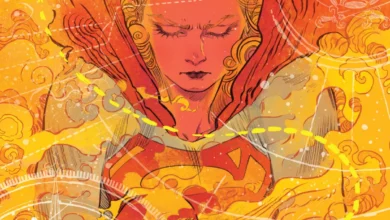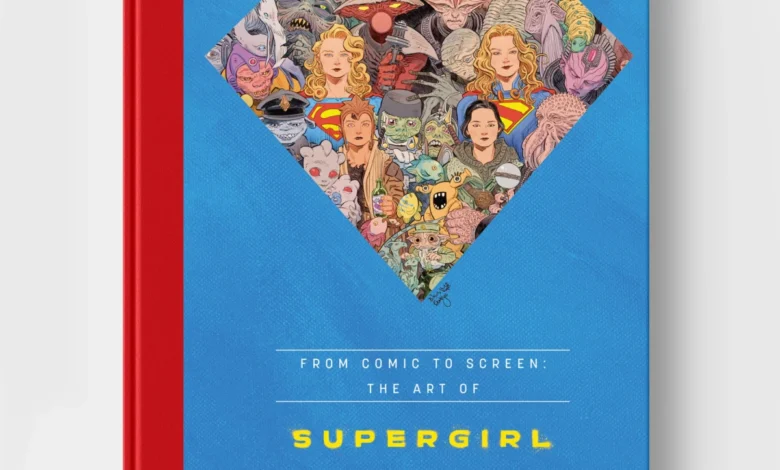
DC Studios and DC Comics have jointly announced From Comic to Screen: The Art of Supergirl, an upcoming hardcover volume designed to meticulously document the visual and narrative evolution of Kara Zor-El, DC’s iconic heroine, across two pivotal mediums: sequential art and live-action cinema. This comprehensive 224-page collection promises an unprecedented deep dive into the creative synergy behind the critically acclaimed comic series Supergirl: Woman of Tomorrow and her highly anticipated cinematic reinvention in DC Studios’ forthcoming feature film, Supergirl, slated for a global theatrical release on June 26, 2026. Authored by James Field, the book is scheduled to hit shelves on September 29, 2026, offering fans, artists, and industry observers an intimate look into the intricate process of bringing a beloved character to life on both the page and the big screen.
The announcement signifies a rare and significant creative convergence within the modern DC landscape, highlighting a deliberate strategy to bridge the gap between comic book source material and its cinematic adaptation. From Comic to Screen: The Art of Supergirl is positioned not merely as an art book but as a visual chronicle, tracing Kara Zor-El’s journey from her initial conceptualization in the comics to her nuanced portrayal in the nascent DC Universe (DCU) under the stewardship of James Gunn and Peter Safran. The volume’s core objective is to illuminate how a contemporary vision of a DC icon is meticulously shaped, refined, and ultimately realized through the collaborative efforts of writers, artists, and filmmakers.
The Genesis of a Cross-Medium Chronicle
The decision to dedicate an entire volume to the artistic journey of Supergirl, particularly focusing on the direct lineage from Supergirl: Woman of Tomorrow to the upcoming film, underscores the profound influence of modern comic book storytelling on mainstream cinematic endeavors. In an era where comic book adaptations dominate the entertainment landscape, such a detailed exploration of the creative process offers invaluable insight. James Field, the author, is tasked with curating a wealth of visual and textual material, including concept art, intricate production designs, annotated script pages, and a trove of never-before-seen behind-the-scenes content. This treasure trove of materials is intended to reveal the dynamic dialogue that occurs between comic book creators and film production teams, showcasing how ideas, aesthetics, and character interpretations evolve through different artistic filters.
A significant portion of the book will feature visuals from the celebrated creative team behind Supergirl: Woman of Tomorrow: writer Tom King, artist Bilquis Evely, and colorist Matheus Lopes. Their distinctive work, which garnered widespread critical acclaim for its mature themes, evocative storytelling, and breathtaking artwork, will be presented in conversation with the film’s "bracing and otherworldly visual language." Readers will have the unique opportunity to see Evely’s expressive illustrations alongside early cinematic explorations, providing a direct comparison of how core elements—from character designs and costume details to thematic motifs and pivotal character moments—transitioned from initial comic layouts to finished pages, and subsequently from film storyboards to final set designs and screen captures. The inclusion of new interviews with both the comic’s creators and the filmmakers promises to offer firsthand accounts of the collaborative process that guided Kara’s transformation across these powerful mediums.
Supergirl’s Enduring Legacy: A Brief History
To fully appreciate the significance of From Comic to Screen: The Art of Supergirl, it is essential to contextualize Kara Zor-El’s long and often complex history within the DC Comics universe. Supergirl first debuted in Action Comics #252 in May 1959, created by Otto Binder and Al Plastino. Sent to Earth from the doomed planet Krypton, much like her cousin Superman, Kara quickly established herself as a formidable hero in her own right. Over the decades, her character has undergone numerous reinterpretations, reflecting shifting cultural landscapes and editorial directives.
Her initial Silver Age portrayal often cast her as a supporting character to Superman, grappling with her identity and place in the world. The Bronze Age saw her character deepen, exploring more independent narratives. However, one of her most significant transformations occurred during the seminal 1985-86 crossover event, Crisis on Infinite Earths, where she famously sacrificed her life to save the multiverse, a moment that cemented her heroic status and left a lasting impact on DC continuity for nearly two decades. Various characters assumed the mantle of Supergirl in subsequent years, but the return of Kara Zor-El herself, often with revised origins, marked a powerful resurgence for the character. The New 52 reboot in 2011 presented a younger, more volatile Kara struggling with trauma, while the Rebirth era in 2016 offered a fresh start, balancing her power with a strong moral compass and connection to Earth. This extensive lineage underscores the adaptability and enduring appeal of Supergirl, making her a rich subject for an exploration of artistic evolution.
The Acclaimed Blueprint: Supergirl: Woman of Tomorrow
The particular emphasis on Supergirl: Woman of Tomorrow within the art book is no accident; it is widely regarded as one of the most impactful and critically celebrated modern takes on the character. The eight-issue limited series, published from 2021 to 2022, was lauded for its fresh perspective, profound emotional depth, and stunning visual presentation. Written by Eisner Award-winning scribe Tom King, known for his nuanced character studies in titles like The Vision and Mister Miracle, the series reimagined Supergirl as a hardened, weary hero seeking vengeance across the cosmos.
King’s narrative brilliantly explored themes of justice, loss, and the moral complexities of heroism, pushing Kara beyond the shadow of her famous cousin to confront her own unique ethical framework. She embarks on a cosmic odyssey with a young alien girl named Ruthye, whose family was murdered, becoming an unlikely mentor and protector. This journey allows for a profound character arc, showcasing Kara’s immense power alongside her deep empathy and capacity for righteous fury.
Bilquis Evely’s art, complemented by Matheus Lopes’s vibrant coloring, was instrumental in the comic’s success. Evely’s unique style, characterized by elegant lines, expressive figures, and intricate environmental details, brought the alien landscapes and cosmic battles to vivid life. Her ability to convey raw emotion through facial expressions and body language made Kara’s internal struggles palpable. Lopes’s color palette further enhanced the otherworldly feel, creating a visual tapestry that was both breathtaking and deeply immersive. The synergy between King’s sophisticated storytelling and Evely’s masterful artistry cemented Woman of Tomorrow as a benchmark for contemporary comic book excellence, making it a natural and compelling foundation for a cinematic adaptation and a central focus for From Comic to Screen: The Art of Supergirl. Its critical acclaim and fan adoration serve as a testament to its narrative power and artistic innovation, marking it as a definitive modern interpretation of the character.
Forging a Cinematic Vision: The Upcoming Supergirl Film
The upcoming Supergirl film holds significant importance as one of the foundational entries in the new DC Universe, carefully constructed by co-CEOs James Gunn and Peter Safran. Announced as part of "Chapter One: Gods and Monsters," the film is expected to present a version of Kara Zor-El that directly draws inspiration from Supergirl: Woman of Tomorrow. James Gunn himself has spoken about the film’s tone, suggesting it will feature a "more hardcore" Supergirl who has experienced significant trauma, distinguishing her from her more optimistic cousin, Superman. This aligns perfectly with the character arc presented in King and Evely’s comic, where Kara is portrayed as a survivor of a brutalized Krypton, having witnessed unimaginable horrors before arriving on Earth.
The casting of Milly Alcock, known for her role in HBO’s House of the Dragon, as Kara Zor-El has already generated considerable excitement and speculation among fans. Her casting signals a commitment to bringing a fresh, yet formidable, presence to the role. The film’s narrative is anticipated to explore Kara’s origins, her powers, and her place in a universe that already has a Superman, all while grappling with the weighty themes of identity, survival, and the definition of heroism. The theatrical release date of June 26, 2026, positions Supergirl as a tentpole summer event, crucial for establishing the tone and interconnectedness of the new DCU. From Comic to Screen: The Art of Supergirl will serve as an essential companion piece, offering unparalleled insight into how the creative team translates the nuanced characterization and breathtaking visuals of the source material into a blockbuster cinematic experience.
A Deep Dive into the Artistic Process
The true value of From Comic to Screen: The Art of Supergirl lies in its granular examination of the creative process, offering a rare opportunity to witness the meticulous steps involved in transforming a comic book narrative into a sprawling cinematic universe. The book promises an unparalleled collection of developmental materials, including early concept art that illustrates initial ideas for Supergirl’s costume, powers, and visual aesthetic. These early sketches and designs will reveal the various iterations and creative choices made before arriving at the final character design seen in both the comic and the film.
Production design documents will showcase how the environments of Woman of Tomorrow—from alien planets to starships—were translated and expanded upon for the cinematic adaptation. Readers can expect to see how key locations and futuristic technologies envisioned by Evely were meticulously rendered into practical and digital sets for the film. Annotated script pages from both the comic and the film will provide a textual layer of insight, with notes from writers and directors explaining their intentions, character motivations, and specific narrative beats. This allows for a direct comparison of storytelling techniques across mediums, highlighting how dialogue and pacing are adapted for visual impact.
Crucially, the juxtaposition of Bilquis Evely’s original comic illustrations with early cinematic explorations—such as storyboards, pre-visualization art, and costume tests—will be a cornerstone of the book. This side-by-side comparison will reveal how specific themes, visual motifs, and character moments conceived in the comic traveled from the static page to the dynamic screen. For instance, a particular shot composition or an emotional beat depicted in Evely’s artwork might be shown next to its storyboard equivalent, illustrating the careful translation of artistic intent. The accompanying new interviews with Tom King, Bilquis Evely, Matheus Lopes, and the Supergirl filmmakers will add invaluable context, offering firsthand accounts of their challenges, inspirations, and collaborative efforts. These insights will illuminate the intricate decision-making processes, artistic compromises, and creative triumphs that shape a character’s journey across such distinct and demanding mediums.
Voices Behind the Vision: Inferred Statements and Collaborative Spirit
While direct quotes are not yet available, the nature of From Comic to Screen: The Art of Supergirl allows for logical inference regarding the perspectives of the key figures involved. DC Studios and DC Comics, in their joint announcement, are undoubtedly emphasizing the strategic importance of this project. They would likely highlight the unprecedented synergy between their comic and film divisions, portraying the book as a testament to their commitment to honoring source material while forging innovative cinematic paths. Statements would underscore the belief that a deep understanding of the comic’s artistic and thematic underpinnings is crucial for the film’s success, reinforcing the DCU’s foundation in rich storytelling.
James Field, as the author, would likely articulate his immense privilege and responsibility in curating such a significant chronicle. His inferred statements would convey the challenge of weaving together disparate creative threads into a cohesive narrative, celebrating the individual artistry while emphasizing the overarching collaborative spirit. He would likely express his fascination with the subtle and overt ways ideas are exchanged and transformed between mediums.
From the comic book creators’ perspective, Tom King, Bilquis Evely, and Matheus Lopes would convey profound satisfaction and excitement. King might speak to the emotional resonance of seeing his character work take on a new life, while Evely would likely express her artistic joy in seeing her visual language reinterpreted for the big screen. Lopes might discuss the impact of his color choices on the overall mood and how those choices are considered in cinematic lighting and palette. Their interviews within the book are expected to provide intimate details about their creative processes, their interpretations of Kara, and their reactions to the film’s development.
Finally, Jim Lee, in his afterword as President, Publisher, and Chief Creative Officer of DC Comics, would undoubtedly offer a broader perspective on Supergirl’s enduring appeal and the significance of visual storytelling in connecting with audiences across generations. His words would likely celebrate the character’s legacy while looking forward to her renewed prominence within the DCU, emphasizing the collaborative spirit that drives the entire DC enterprise. The introduction by DC Studios would similarly frame the book as a vital document of the DCU’s genesis, showcasing the foundational role of comic book artistry in its grand cinematic vision.
Key Details and Publication Information
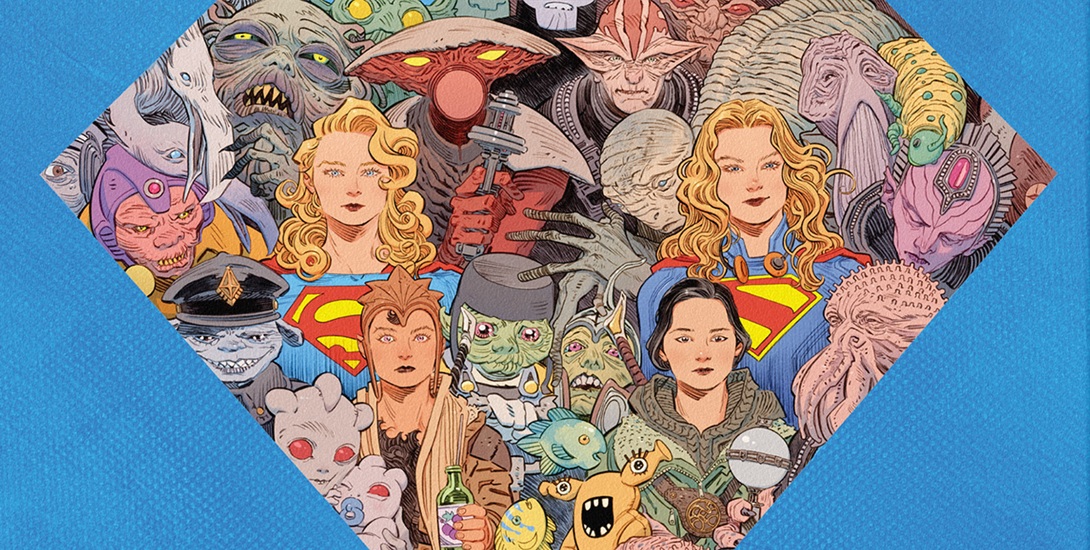
From Comic to Screen: The Art of Supergirl is positioned as a premium collectible and an essential resource for fans and scholars alike. The hardcover volume spans 224 pages, presented in a substantial 9 1/8" x 10 7/8" format, allowing for ample display of the intricate artwork and detailed designs. Written by James Field, with a striking cover by Bilquis Evely, the book carries an ISBN of 978-79951-712-2 and will retail for $49.99. Its release on September 29, 2026, strategically follows the theatrical debut of the Supergirl film on June 26, 2026, allowing fans to delve into the creative genesis of the cinematic experience shortly after witnessing it on screen. This timing maximizes the book’s relevance and appeal, serving as both a celebratory companion piece and an in-depth retrospective.
Broader Implications for the DC Universe and Fandom
The release of From Comic to Screen: The Art of Supergirl carries significant implications for the burgeoning DC Universe and its dedicated fanbase. Firstly, it sends a clear message about the DCU’s commitment to its comic book roots. By directly linking a major cinematic endeavor to a specific, critically acclaimed comic series and then documenting that connection so thoroughly, DC Studios reinforces its promise to honor the source material while crafting a cohesive and compelling cinematic narrative. This approach distinguishes the new DCU, suggesting a more integrated and respectful relationship between its comic and film divisions than perhaps seen in previous iterations.
For fans, the book offers an unparalleled opportunity to deepen their appreciation for both the Supergirl: Woman of Tomorrow comic and the upcoming film. It provides a unique window into the minds of the creators, allowing them to trace the journey of beloved characters and storylines from conception to final execution. This level of transparency and insight can foster a stronger connection between fans and the creative process, enhancing engagement and building anticipation for future DCU projects. It also serves as an invaluable resource for aspiring artists, writers, and filmmakers, offering practical examples of how creative challenges are met and how intellectual property is adapted across mediums.
Furthermore, the book elevates Supergirl’s profile within the broader DC pantheon. By dedicating such a comprehensive art book to her journey, DC signals her importance as a central figure in the new DCU, positioning her alongside iconic characters like Superman and Batman. This move underscores her narrative weight and her potential to resonate with contemporary audiences. For the entertainment industry as a whole, From Comic to Screen: The Art of Supergirl sets a high standard for transmedia documentation. It highlights the increasing value of revealing the artistic labor and collaborative efforts that underpin successful franchise building, offering a blueprint for how to celebrate and analyze the intricate dance between different storytelling forms.
In conclusion, From Comic to Screen: The Art of Supergirl stands as both a profound celebration of Kara Zor-El’s enduring legacy and a vital document of her rebirth in a new era of DC storytelling. It is a testament to the continuing relevance and resonant power of this DC trailblazer, and to the visionary artists, writers, and filmmakers who are meticulously shaping her place in the evolving DC Universe. As the release dates for both the film and the book approach in 2026, the anticipation for this unparalleled exploration of creative convergence continues to build, promising a definitive look at the art of Supergirl.