Drova: Forsaken Kin Emerges as a Testament to Classic Open-World RPG Design Amidst Modern Gaming Landscape

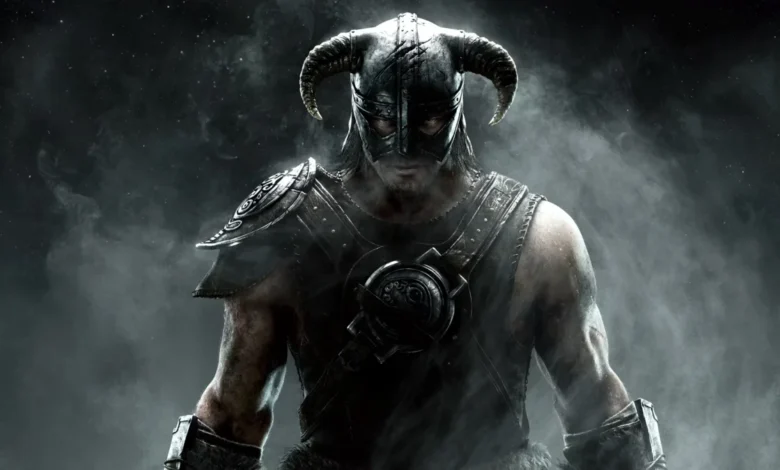
The open-world role-playing game (RPG) genre has solidified its position as one of the most beloved and commercially successful segments of the video game industry. Its enduring appeal stems from a promise of unparalleled player freedom, inviting individuals to immerse themselves in expansive digital realms brimming with opportunities for exploration, intricate combat systems, dynamic faction interactions, and morally complex choices. Success within this genre is frequently measured by a game’s ability to foster a pervasive sense that every deviation from a linear path could unveil a fresh discovery or a significant narrative branch. Over the past two decades, titles such as The Elder Scrolls V: Skyrim and The Witcher 3: Wild Hunt have not only defined this formula but have also served as benchmarks, inspiring countless developers to prioritize player agency, atmospheric immersion, and rich exploration as much as, if not more than, conventional combat mechanics. These seminal works have cultivated a player base that actively seeks out experiences offering depth, narrative consequence, and a genuine sense of belonging within a meticulously crafted world.
Amidst a crowded market increasingly dominated by visually stunning, cinematic AAA productions, a compelling independent title, Drova: Forsaken Kin, has quietly carved out a distinct niche. Developed by just 2d, this open-world RPG demonstrably draws inspiration from the very titans of the genre like Skyrim and The Witcher 3. However, its pixel art presentation and top-down perspective have, for some players, inadvertently led to it being overlooked. This initial impression belies a sophisticated and remarkably deep RPG experience. Beneath its retro-inspired visual façade lies a meticulously constructed world boasting robust worldbuilding, highly rewarding exploration, tactically challenging combat, and surprisingly nuanced storytelling. Rather than attempting to directly emulate the graphical fidelity and cinematic ambitions of contemporary AAA RPGs, Drova: Forsaken Kin consciously channels classic role-playing design philosophies, yet manages to feel remarkably modern, mechanically refined, and uniquely compelling in its execution. Its design philosophy suggests a deliberate focus on gameplay substance and narrative depth, aiming to capture the essence of what made early open-world RPGs so captivating.
The Enduring Appeal of Classic Open-World RPG Design
The success of Drova: Forsaken Kin can be contextualized within the broader evolution of the open-world RPG genre. Early pioneers like Ultima and Wasteland established the foundational elements of player choice and expansive worlds, albeit with technological limitations. The transition to 3D environments, particularly with titles like The Elder Scrolls III: Morrowind, significantly amplified the sense of immersion and scale. Skyrim, released in 2011, became a cultural phenomenon, selling over 60 million copies across various platforms by 2023, largely due to its accessible yet vast world and emergent gameplay. The Witcher 3: Wild Hunt, launched in 2015, further elevated the genre by intertwining a rich, character-driven narrative with an expansive, morally ambiguous world, garnering critical acclaim and selling over 50 million units. These titles set a high bar for player expectation, emphasizing a feeling of boundless discovery and meaningful interaction.
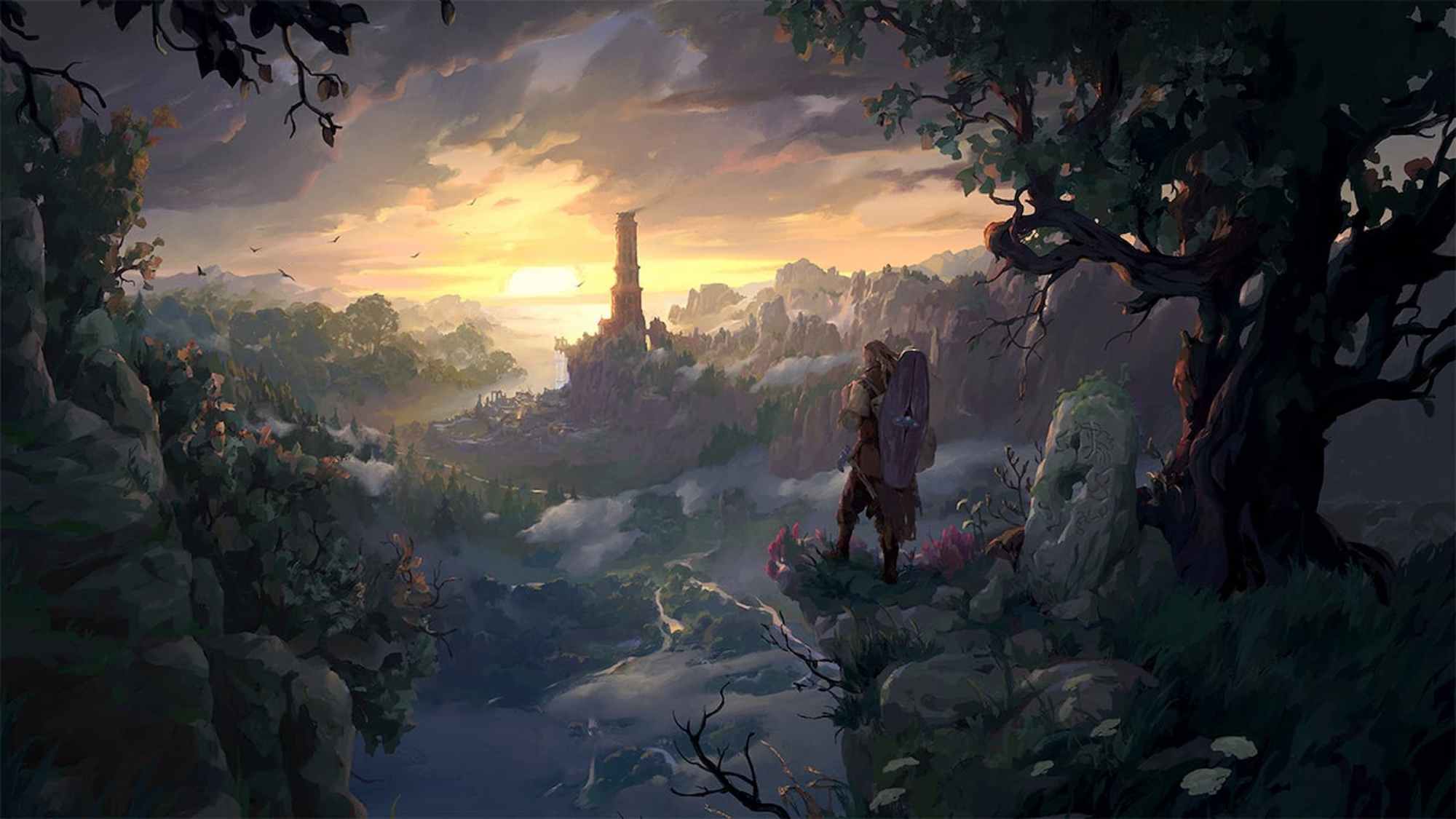
The challenge for new developers, particularly independent studios, often lies in competing with the massive budgets and marketing power of these industry giants. Many indie games opt for unique visual styles or innovative mechanics to stand out. Drova: Forsaken Kin‘s choice of a pixel art, top-down perspective is a strategic one, allowing the developer to focus resources on core RPG systems rather than hyper-realistic graphics. This approach taps into a segment of the gaming community that values gameplay depth, narrative complexity, and challenging systems over graphical fidelity, often evoking a sense of nostalgia for earlier eras of RPG design. It represents a counter-narrative to the prevailing trend of increasingly demanding graphical benchmarks.
Drova: Forsaken Kin: A Masterclass in Atmospheric Immersion and Player Freedom
From its initial moments, Drova: Forsaken Kin establishes a profound sense of player autonomy, reminiscent of the liberating experience of venturing off the main path in Skyrim for the first time. The game deliberately eschews the modern convention of guiding players from one quest marker to the next. Instead, it allows its meticulously crafted world to exist independently, encouraging players to organically discover its secrets. Early hours spent in Drova are frequently characterized by players intentionally disregarding primary objectives, instead succumbing to the allure of unexplored forests, enigmatic caves, and unfamiliar settlements. This design choice cultivates a palpable sense of danger and unpredictability, yet simultaneously makes every corner of the world irresistible to explore.
The game’s dark fantasy setting, deeply infused with elements of Celtic mythology, contributes significantly to its unique atmosphere. It presents a harsh and unforgiving landscape, visibly shaped by centuries of political strife, the lingering influence of ancient, potent forces, and pervasive supernatural phenomena. Each geographical region feels intrinsically connected to the overarching lore, transcending its function as a mere backdrop for side quests. This organic integration of lore and environment ensures that exploration is not just about finding loot or completing tasks, but about uncovering layers of history and understanding the world’s complex tapestry. This approach resonates with players who seek genuine immersion, where the environment itself tells a story, rather than relying solely on explicit narrative exposition.
Moral Ambiguity and Consequential Faction Dynamics
A hallmark of Drova: Forsaken Kin‘s sophisticated design is its robust faction system, which consciously evokes the intricate decision-making found in older RPGs that placed trust in the player’s judgment without prescribing clear-cut moral outcomes. Players often find themselves aligning with specific groups based on seemingly rational ideals, only to later confront the far-reaching and often uncomfortable consequences of their choices. This pervasive moral ambiguity grants the world a believable and gritty edge, a quality that many contemporary fantasy RPGs, with their often simplified good-versus-evil narratives, frequently lack. Each faction within Drova is portrayed with its own rich history, distinct priorities, and inherent flaws, rendering player decisions genuinely impactful rather than merely cosmetic. This complex web of allegiances and rivalries encourages thoughtful engagement, as players must weigh the immediate benefits against potential long-term repercussions, contributing significantly to the game’s replayability and depth.
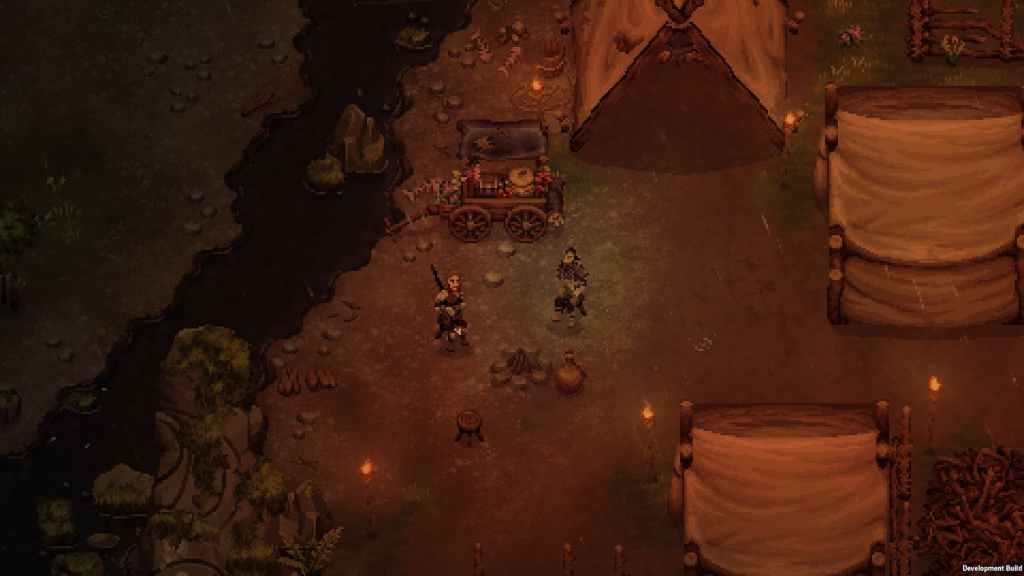
Furthermore, the game’s deliberate refusal to "hold the player’s hand" is a refreshing departure from common modern design trends. While many contemporary open-world titles inundate players with an abundance of map icons, detailed tutorials, and constant guidance, Drova entrusts players with the responsibility to experiment, learn from their mistakes, and adapt organically. This philosophy is strikingly evident in moments where players might wander into zones significantly beyond their current power level, leading to swift and overwhelming defeats. Crucially, this experience is framed not as frustrating, but as an authentic reflection of a dangerous and indifferent world. The subsequent return to such challenging areas, armed with improved gear, enhanced skills, and a deeper understanding of enemy patterns, and the eventual triumph over previously insurmountable odds, delivers a profound sense of progression and accomplishment rarely matched in modern RPGs. This steep but fair learning curve harks back to classic RPGs where player skill and preparation were paramount.
Deep Gameplay Mechanics and Rewarding Exploration
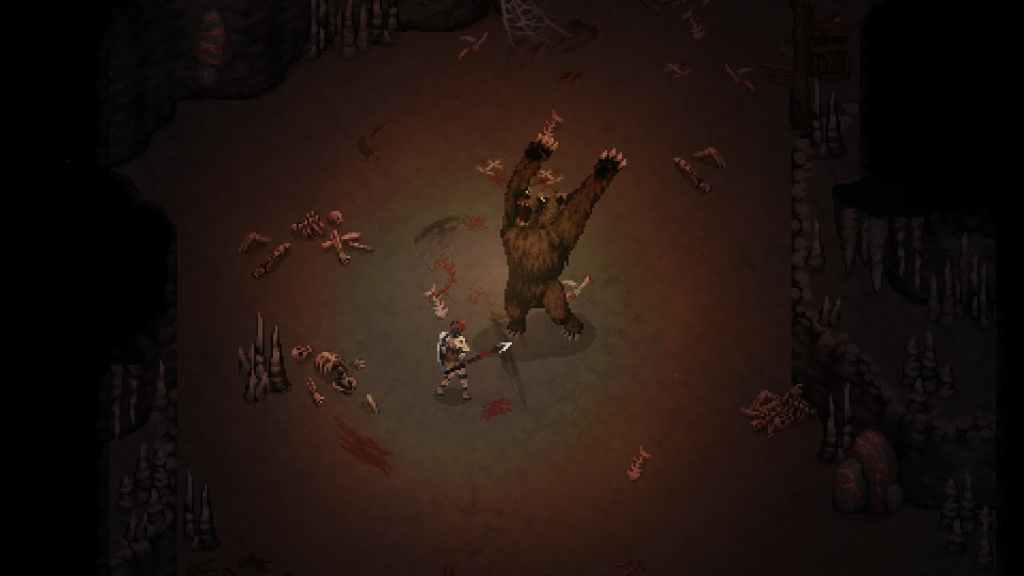
The initial perception of Drova: Forsaken Kin as a smaller or simpler RPG, primarily due to its pixel art style, is swiftly dispelled upon engagement with its gameplay systems. The game is considerably more ambitious in its mechanical depth than its visuals might suggest. Combat, for instance, is far from a mindless button-mashing affair. It places significant emphasis on precise timing, strategic positioning, judicious stamina management, and thorough preparation. Early game encounters often serve as stark lessons in this philosophy; venturing into dangerous territories ill-equipped inevitably leads to quick defeat, echoing the harsher progression curves characteristic of older RPG titles. This inherent difficulty injects a genuine sense of tension into exploration, transforming every encounter into a tactical puzzle that demands careful consideration and execution.
Character progression in Drova is equally rewarding, offering players substantial freedom in shaping their character’s build and playstyle over time. The interplay between chosen skills, acquired gear, and faction allegiances dynamically influences both combat efficacy and exploration capabilities, ensuring that character development feels deeply personal and non-linear. Players are consistently encouraged to adjust their approach based on the specific enemies encountered and the unique characteristics of the areas being explored, fostering an addictive cycle of experimentation and optimization. This flexible progression system caters directly to fans of traditional RPGs who relish granular control over their character’s evolution and appreciate builds that are not rigidly defined but emerge from player choices.
Exploration stands out as one of Drova‘s most compelling features. The world is replete with hidden paths, environmental storytelling cues, treacherous ruins, and optional encounters that consistently reward player curiosity. This design ethos mirrors the sense of serendipitous discovery found when straying from the main narrative in The Witcher 3. It is not uncommon for players to intend to pursue the main questline only to find themselves captivated for hours, delving deeper into a mysterious cave or meticulously investigating suspicious ruins, drawn in by the world’s irresistible pull. The pixel art visuals, often underestimated, deserve considerable credit for their contribution to this immersive experience. Detailed forests, bustling villages, and ancient ruins are rendered with a moody and evocative atmosphere that makes every new discovery feel genuinely significant and hard-earned, demonstrating that graphical fidelity is not the sole determinant of visual impact.
Nuanced Narrative and Thematic Depth
One of the most significant and pleasant surprises within Drova: Forsaken Kin is the exceptional quality of its writing. While many independent RPGs understandably prioritize robust gameplay systems, Drova makes a substantial investment in its worldbuilding, dialogue, and character interactions. The narrative delves into profound themes such as the nature of power, the imperative of survival, the complexities of belief systems, and humanity’s often fraught relationship with ancient, primordial forces. Crucially, its factions are presented without simplistic heroic or villainous labels. Players frequently find themselves questioning major decisions because every group is imbued with understandable, albeit sometimes conflicting, motivations. This moral complexity contributes to a world that feels far more believable and immersive than many might anticipate from its initial presentation.
The game’s characters and their interactions are instrumental in making the setting feel genuinely alive. Relationships evolve organically as the overarching story progresses, and conversations often subtly reflect the intricate political and cultural tensions that shape the world. A particularly noteworthy aspect is how the dark fantasy tone, while pervasive, never devolves into exhaustion or excessive cynicism. Even amidst the perilous regions and brutal conflicts, Drova intersperses small, poignant moments of warmth and humanity, providing essential emotional balance to the narrative. This subtle, sophisticated writing approach underscores why some smaller, focused RPGs can achieve a deeper sense of immersion than massive AAA productions that rely heavily on cinematic spectacle to convey emotional weight.
The comparisons drawn between Drova: Forsaken Kin and iconic titles like Skyrim and The Witcher 3 are apt, as it successfully captures many of the core sentiments that rendered those games unforgettable: the thrill of exploring dangerous, unknown lands, the satisfaction of uncovering hidden stories, the agency in shaping one’s character, and the challenge of navigating morally ambiguous factions. Yet, Drova never feels like a mere imitation. It confidently embraces its own unique identity, demonstrating a refreshing independence from larger industry trends. By skillfully blending classic RPG design principles with modern storytelling techniques and refined exploration systems, Drova: Forsaken Kin has quietly positioned itself as one of the most underrated and compelling fantasy RPGs to emerge in recent memory, proving that depth, immersion, and player agency can triumph over conventional graphical expectations. Its success serves as a powerful reminder of the diverse avenues for innovation within the RPG genre and the enduring appeal of thoughtful, player-centric design.