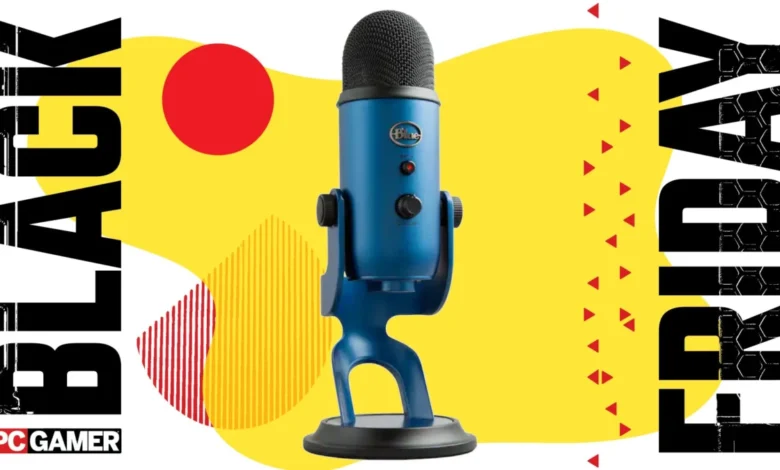
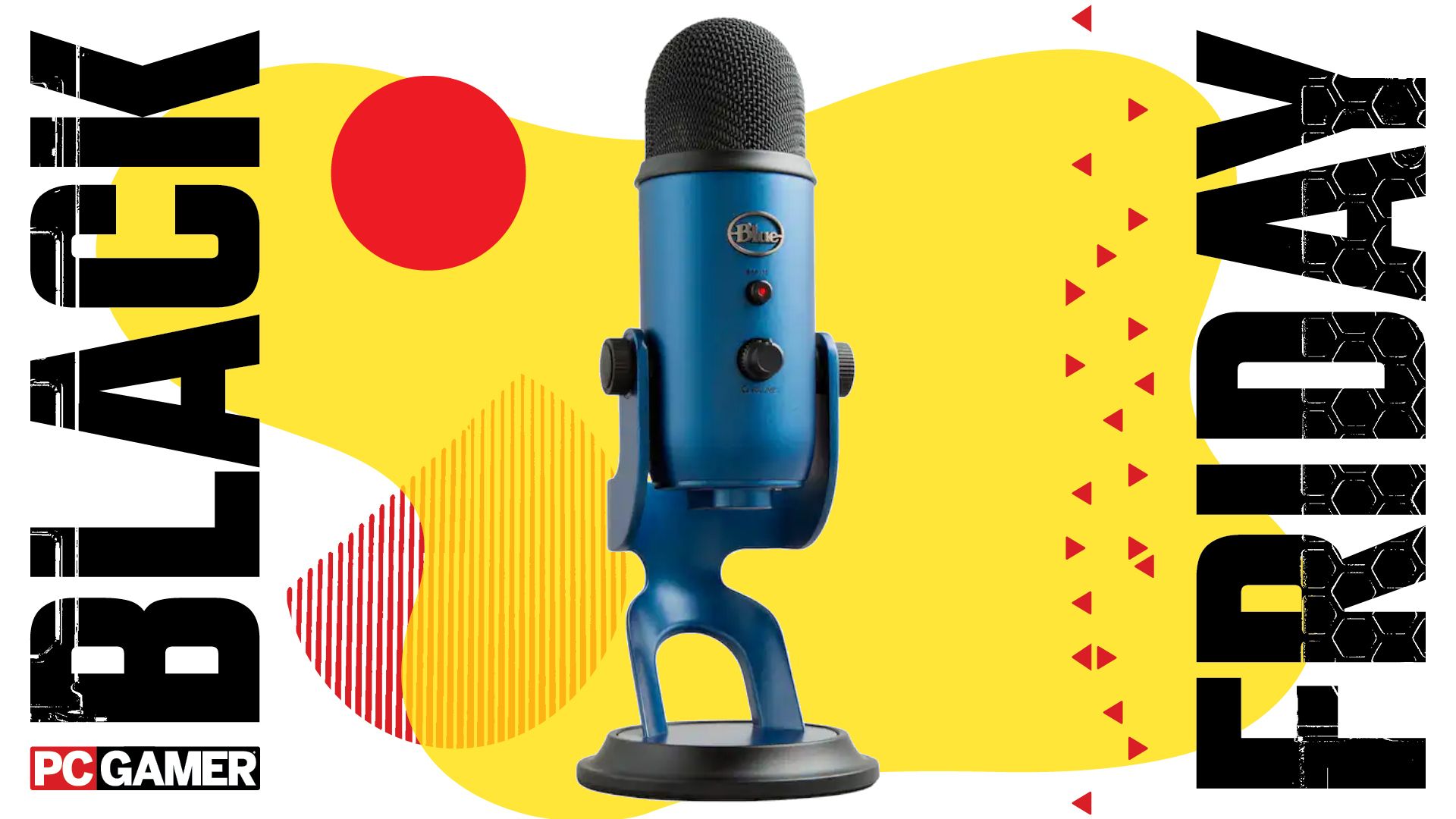
The Blue Yeti USB microphone, a long-standing staple in the audio hardware market, has reached a historic price low of $69.99 as part of this year’s Black Friday retail event. This pricing milestone marks a significant reduction for a device that has maintained a consistent market presence since its original launch in 2009. For professional streamers, content creators, and remote workers, the current offer represents a rare opportunity to acquire industry-standard hardware at a entry-level price point.
A Chronology of a Market Icon
The Blue Microphones Yeti was first introduced to the public in 2009. Developed by Blue Microphones—a company later acquired by Logitech in 2018 for approximately $117 million—the Yeti was designed to bridge the gap between high-end professional studio recording equipment and the burgeoning home-user market. Unlike many consumer-grade electronics that face rapid obsolescence, the Yeti design has remained remarkably static over the last 17 years.
Its longevity is largely attributed to its plug-and-play architecture. By bypassing the need for complex audio interfaces or external pre-amplifiers, the Yeti enabled users to connect directly to computers via USB, a revolutionary feature for creators at the time of its release. Throughout the 2010s, the rise of platforms such as Twitch and YouTube solidified the Yeti as the de facto "starter microphone" for the digital creator economy, a position it has occupied through various minor aesthetic iterations and the release of more specialized, modern successors.
Technical Specifications and Performance Metrics
The Blue Yeti is a side-address condenser microphone utilizing a proprietary tri-capsule array. This array allows the user to switch between four distinct polar patterns:
- Cardioid: Ideal for solo podcasts, gaming, and voice-overs by capturing audio directly in front of the mic.
- Stereo: Utilizes both left and right channels for capturing realistic soundscapes.
- Omnidirectional: Picks up sound equally from all directions, useful for conference calls or capturing a room’s ambient audio.
- Bidirectional: Records from both the front and rear of the microphone, specifically suited for two-person interviews.
The microphone features a built-in gain control, a dedicated mute button, and a zero-latency headphone output, allowing users to monitor their audio in real-time. With a sample rate of 48kHz and a bit depth of 16-bit, it meets the standard broadcast quality requirements for most online content, despite the emergence of newer 24-bit or 96kHz devices in the higher-end market.
Competitive Landscape and Market Positioning
The audio peripheral market has seen a surge in competition over the last five years. Companies such as Elgato, Razer, and HyperX have introduced competing USB microphones, many of which feature more compact form factors or updated connectivity standards like USB-C. Despite this, the Blue Yeti remains a benchmark for sound quality in the sub-$100 segment.
Analysts note that while the Yeti is physically larger and more cumbersome than modern competitors—often requiring a dedicated boom arm for optimal desk placement—its reliability remains its strongest selling point. The current $69.99 pricing strategy appears to be a calculated move by Logitech to maintain the product’s market share against lower-cost alternatives, such as the Amazon Basics USB microphone and other entry-level condenser mics that retail in the $25 to $50 range. By positioning the Yeti at this aggressive price, the manufacturer is effectively squeezing the margins of budget competitors, offering consumers a "known quantity" with a proven track record.
Software Integration and Optimization
The effectiveness of the Blue Yeti in modern environments is bolstered by software-side advancements. While the hardware itself remains largely unchanged, the integration with software suites like Logitech G Hub, Nvidia Broadcast, and Discord’s Krisp noise-suppression technology has extended the life of the device.
In professional and semi-professional settings, users often pair the Yeti with digital signal processing (DSP) tools to mitigate the "room noise" issues inherent to condenser microphones. Because the Yeti is highly sensitive—a characteristic of condenser capsules—it captures ambient sound from keyboards, fans, and external environments. The current availability of advanced AI-driven noise cancellation software allows the Yeti to perform at a level comparable to microphones priced at double or triple its MSRP.
Broader Implications for the Hardware Industry
The sustained popularity of the Blue Yeti raises pertinent questions about the lifecycle of peripheral hardware. In an era of planned obsolescence, the Yeti stands as a case study in "design excellence." By iterating slowly and focusing on core audio quality rather than flashy features, Blue Microphones and subsequently Logitech have maintained a consistent demand for a product that was engineered nearly two decades ago.
Furthermore, this Black Friday promotion serves as a signal to the broader hardware industry regarding the price elasticity of audio equipment. As remote work and digital content creation become permanent features of the global economy, the demand for high-quality audio has shifted from a niche hobbyist requirement to a standard necessity. This move by retailers to drop the price of such a well-known product likely indicates a push to capture new users who are currently looking to upgrade from standard laptop microphones to dedicated hardware.
Considerations for the Consumer
For those considering this purchase, several factors should be weighed. The physical footprint of the Blue Yeti is significant; it occupies substantial desk space and is notably heavier than most modern compact USB microphones. Prospective buyers should ensure they have adequate room or a compatible boom arm, as the included desktop stand—while sturdy—can be prone to picking up vibrations from a desk if the user types heavily during use.
Additionally, as the microphone is essentially an analog-to-digital converter, it is sensitive to the quality of the USB power source. Users are generally advised to connect the microphone directly to a motherboard USB port rather than through a passive hub to avoid potential ground-loop hum or signal degradation.
Conclusion
The Blue Yeti at $69.99 is more than just a sale; it is an acknowledgment of the device’s enduring utility. While more modern, feature-rich, and compact microphones exist, the Yeti’s balance of ease-of-use, sound quality, and historical reliability makes it a difficult value proposition to beat. As the holiday shopping season accelerates, this deal underscores the continued importance of fundamental audio engineering in a market increasingly saturated with digital gimmicks. Whether for a student attending virtual lectures, a professional participating in hybrid meetings, or an aspiring streamer, the current pricing provides a low-barrier entry to high-fidelity audio capture that remains relevant in an evolving technological landscape.