CD Projekt Red Releases Major Witcher 3 Remastered Patch 5.02 Featuring 40 Cross-Platform Mods and Critical Stability Fixes

Developer CD Projekt Red has officially deployed Patch 5.02 for the critically acclaimed, decade-old epic The Witcher 3: Wild Hunt – Remastered across all available gaming platforms. Channeling the stoic philosophy of the franchise’s iconic protagonist, the Polish studio accompanied the update with a statement emphasizing ongoing commitment to the "Two things are certain in a witcher’s life: the Path never sleeps, and the work is never done."
This substantial update addresses a myriad of persistent technical hurdles, introduces vital quality-of-life adjustments, and significantly expands the game’s official cross-platform modding library by introducing 40 new community-crafted modifications. As CD Projekt Red concurrently channels massive development resources into upcoming tentpole projects—including the highly anticipated next-generation sequel currently known as The Witcher 4—the continued support for Wild Hunt underscores the studio’s long-term stewardship of its premier intellectual property.
Eradicating Critical Bugs and Technical Anomalies
The most immediate and practical benefits of Patch 5.02 lie within its extensive catalog of bug fixes, which systematically target software instability, visual glitches, and progression blockers that have occasionally plagued players since the launch of the remastered edition. Among the most bizarre anomalies resolved in this update is a severe bug that inadvertently caused in-game time to run backward indefinitely, breaking time-sensitive quests and day-night cycles essential to the core gameplay loop.
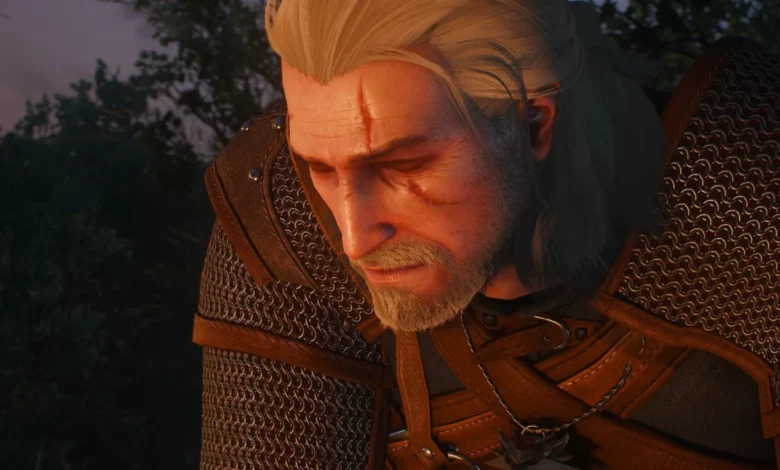
Furthermore, the patch resolves a peculiar graphical glitch that inexplicably left the white-haired witcher, Geralt of Rivia, completely bald, alongside numerous stability fixes that prevent catastrophic application crashes. On the PC platform specifically, players frequently encountered fatal crashes upon launching the game while utilizing outdated or legacy third-party modifications. Patch 5.02 introduces robust error-handling protocols to mitigate these conflicts, ensuring a smoother transition for users maintaining custom mod loadouts.
Refining the Remastered Visuals and Lighting Fidelity
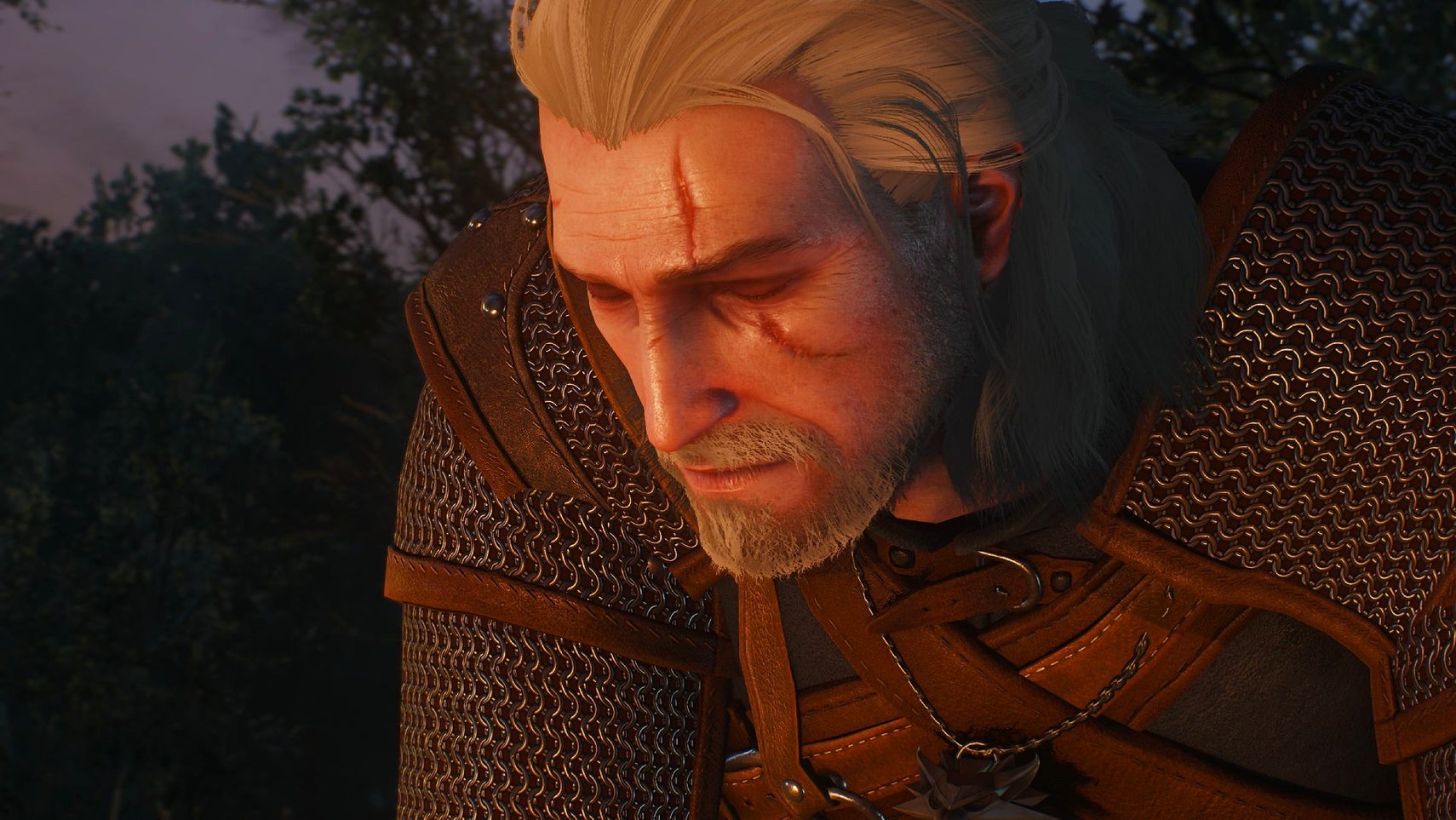
When CD Projekt Red initially released the next-generation remaster of The Witcher 3 in late 2022, the modernized graphics engine brought unprecedented fidelity, ray-tracing capabilities, and texture overhauls to PC, PlayStation 5, and Xbox Series X/S hardware. However, the community quickly voiced concerns regarding specific alterations to the game’s atmosphere, particularly criticizing certain updated lighting arrays for feeling artificially bright, washed out, or occasionally "lifeless" compared to the original 2015 artistic direction.
Although subsequent iterative hotfixes attempted to recalibrate these elements, Patch 5.02 delivers a more comprehensive pass on the game’s global illumination systems. The patch notes explicitly highlight targeted corrections for "various lighting issues across multiple locations and cutscenes." Developers focused heavily on eliminating overly saturated or drastically underexposed zones, smoothing out erratic lighting transitions during exploration, and resolving persistent flickering anomalies that previously disrupted immersion during dynamic weather changes and dramatic narrative sequences.
Expanding Console Modding and Community Integration
One of the most celebrated features of the next-generation upgrade was the introduction of native, cross-platform mod support. For the first time in the franchise’s history, console players on PlayStation and Xbox gained access to community-created content that was previously exclusive to PC users. However, the initial launch offered a relatively restricted curated list of downloadable files.
Patch 5.02 actively bridges that gap by integrating 40 new cross-platform mods directly into the in-game repository. Notable additions in this expansion include cosmetic alterations—such as stylized, luminous glowing eyes for Geralt—as well as entirely new gameplay content, highlighted by a freshly integrated custom monster hunt. In official communications published across social media channels, CD Projekt Red confirmed that this update represents merely the latest wave of support, promising that "more [mods] are on the way" as the studio continues to collaborate with prominent modders within the community.
The Chronology of The Witcher 3: Wild Hunt
To understand the weight of Patch 5.02, it is vital to examine the prolonged lifecycle of The Witcher 3: Wild Hunt. Originally launched in May 2015 by CD Projekt Red, the open-world RPG redefined the genre, collecting hundreds of Game of the Year awards and establishing a high benchmark for narrative-driven role-playing games.

Following the release of two massive narrative expansions—Hearts of Stone in 2015 and Blood and Wine in 2016—the core development team shifted focus toward Cyberpunk 2077. However, planning for a comprehensive next-generation update began years later, culminating in the December 2022 release of The Witcher 3: Wild Hunt – Remastered. Developed in collaboration with Saber Interactive alongside internal CD Projekt Red teams, the remaster brought technical parity to modern hardware. Despite successful sales milestones, the remaster’s initial rollout was accompanied by reported stability issues, memory leaks, and performance optimization hurdles, prompting a continuous two-year cycle of hotfixes, stability patches, and feature integrations, of which Patch 5.02 is the latest milestone.
Broader Strategic Implications and Future Horizons
The enduring maintenance of a ten-year-old single-player video game serves as a clear indicator of CD Projekt Red’s corporate strategy moving forward. By maintaining goodwill with the massive, active player base of Wild Hunt, the studio keeps the franchise culturally relevant while aggressive development continues on future pipelines.
Chief among these future endeavors is The Witcher 4 (currently operating under the internal codename Project Polaris), which marks the beginning of an entirely new trilogy set within the dark fantasy universe. Speaking during a recent financial earnings call, CD Projekt Red Joint-CEO Michal Nowakowski provided investors and fans with a conceptual benchmark for the upcoming sequel. Nowakowski suggested that players can anticipate a generational technological and structural leap between The Witcher 3 and The Witcher 4 comparable to the monumental transition observed between Grand Theft Auto V and the heavily anticipated Grand Theft Auto VI.
Concurrently, the studio is advancing development on the sequel to Cyberpunk 2077 (Project Orion) via its newly established North American studios in Boston and Vancouver. As CD Projekt Red transitions deeper into multi-project parallel development using Unreal Engine 5, the studio’s ability to simultaneously service legacy titles like Wild Hunt demonstrates an expanded operational maturity.
For millions of players globally, Patch 5.02 ensures that The Witcher 3: Wild Hunt remains not only playable on modern hardware, but visually and technically refined for years to come. Whether returning to the Continent for a nostalgic playthrough or experiencing the masterpiece for the first time via console mods, fans can rest assured that the Path, much like the developer’s commitment to quality, remains active and enduring.