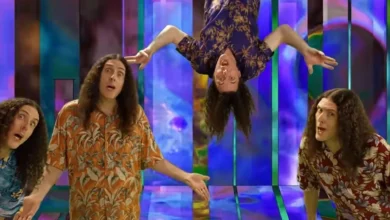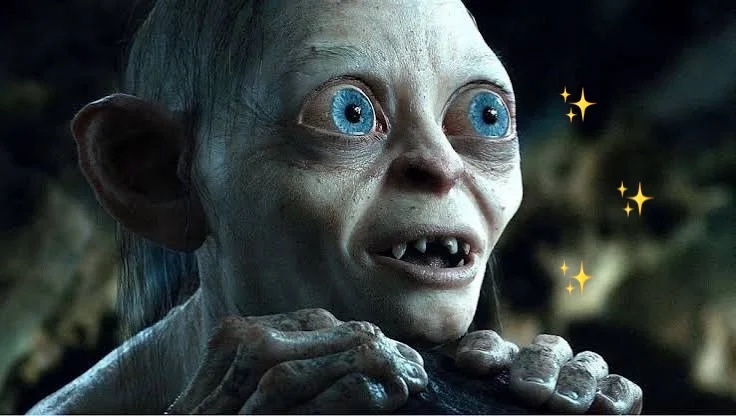
The announcement was accompanied by a lighthearted production wrap video that has offered fans a rare glimpse into the atmosphere on set. While the creative team has maintained a high level of secrecy regarding the specific narrative beats and visual developments, the release of this footage serves as a formal confirmation that the project is firmly on schedule for its theatrical debut on December 17, 2027.
A Chronology of the Middle-earth Cinematic Expansion
The journey to bring this specific story to life began in earnest when Warner Bros. Discovery and New Line Cinema announced an expanded partnership with Middle-earth Enterprises to develop new feature films based on the literary works of Tolkien. The decision to focus on the character of Gollum, a figure who serves as a bridge between the events of The Hobbit and The Lord of the Rings, represents a strategic pivot toward character-driven narratives that operate within the established timeline of the Third Age.
Historically, the cinematic timeline for Middle-earth began in 2001 with The Fellowship of the Ring, followed by The Two Towers in 2002 and The Return of the King in 2003. This was later followed by the prequel trilogy, The Hobbit, which concluded in 2014. The Hunt for Gollum occupies the chronological space between the end of Bilbo Baggins’ journey to the Lonely Mountain and the departure of Frodo Baggins from the Shire. By revisiting this era, the filmmakers aim to provide a deeper exploration of the political machinations of the Istari and the Ranger of the North, Aragorn, as they attempt to track the creature before the forces of Mordor can secure his secrets.
Production Context and Technical Ambition
The production of The Hunt for Gollum has been marked by a return to the roots of the franchise. Much of the filming has taken place in New Zealand, a location that has become synonymous with the visual identity of Middle-earth. For enthusiasts and industry observers alike, the preservation of the New Zealand locations—specifically the iconic Hobbiton set—remains a cornerstone of the franchise’s authenticity.

The logistical challenges of filming in these remote and rugged environments are well-documented. Following the wrap of the production, the project now moves into a multi-year post-production cycle. Given the heavy reliance on motion-capture technology to portray Gollum—a character defined by the performance of Andy Serkis, who is also directing this installment—the post-production phase is expected to be among the most intensive in the studio’s recent history. The integration of digital assets with practical, on-location cinematography requires a level of technical synchronization that necessitates significant time for visual effects rendering and sound design.
Analyzing the Narrative Significance
The decision to center a film on Gollum is significant for both the lore and the commercial longevity of the franchise. From a narrative perspective, the hunt for the creature provides a mechanism to showcase the burgeoning threat of the Dark Lord Sauron. In the source material, the search for Gollum is a desperate race against time; the creature possesses knowledge regarding the location of the One Ring, which, if uncovered by the enemy, would result in the immediate collapse of the Free Peoples’ resistance.
Market analysts suggest that this project serves as a "bridge" film, designed to maintain interest in the franchise while balancing the expectations of long-term fans with the need to attract a new generation of viewers. By utilizing a character as recognizable as Gollum, the studio is leveraging an established brand identity while introducing new, localized conflicts that do not necessarily require the viewer to have memorized the entirety of The Silmarillion or the appendices of The Lord of the Rings.
Industry Implications and Strategic Positioning
The wrap of production on The Hunt for Gollum comes at a pivotal time for the fantasy genre in film. As streaming services and major studios compete for dominance in the high-fantasy market, the ability of a legacy franchise to command a theatrical release date in late 2027 is a statement of intent from Warner Bros. Discovery.
Industry experts note that the film’s success will likely dictate the scale and scope of future Middle-earth cinematic projects. If the film successfully captures the critical acclaim and commercial performance of the original Jackson trilogy, it could pave the way for a more robust "cinematic universe" approach to Tolkien’s legendarium. However, the stakes remain high; the scrutiny regarding the adaptation of literary canon remains intense among the fan base, and the creative team has been tasked with maintaining the "soul" of the franchise while modernizing the visual language of the films.
Behind the Scenes: The Human Element
While the public remains in the dark regarding specific plot spoilers, the camaraderie displayed in the recent production wrap video suggests a positive, collaborative environment. The inclusion of the production crew in the celebration of the film’s completion highlights the labor-intensive nature of such a massive undertaking. Thousands of craftspeople, technicians, and artists have contributed to the creation of props, costumes, and digital environments that are designed to feel lived-in and historically grounded.
The involvement of Andy Serkis in a directorial capacity is viewed by many as a stabilizing force. Having inhabited the character of Gollum for over two decades, Serkis brings an unparalleled understanding of the character’s psychology and the technical requirements of the motion-capture process. His dual role as director and performer is expected to ensure a level of continuity that will resonate with fans who grew up with the original films.
Looking Toward the 2027 Premiere
With the cameras now silent and the heavy lifting of physical production concluded, the focus shifts to the editing room. The next two years will be spent refining the narrative, layering the score, and perfecting the visual effects that will ultimately define the look of the film.
For the studio, the challenge now is to maintain the momentum generated by the announcement of the film’s production wrap. As the marketing campaign inevitably begins to ramp up over the next 24 months, the public can expect a slow drip of teasers and casting announcements. For the time being, the industry and the audience alike are left to contemplate the void left by the conclusion of filming—a void that will only be filled when the curtains rise in December 2027.
The journey to restore the cinematic prestige of Middle-earth is a long one, but with the principal photography now firmly in the rearview mirror, the project has passed its most volatile stage. The Hunt for Gollum stands as a testament to the enduring appeal of Tolkien’s world and the continued investment of the creative industries in bringing these foundational myths to life for a modern audience. As the industry watches closely, the legacy of the One Ring continues to influence the trajectory of blockbuster filmmaking, proving that even after decades, the pull of the Shire and the shadow of Mordor remain as potent as ever.