Star Wars: The Book of Boba Fett #5 Preview Highlights Din Djarin’s Continuing Darksaber Struggles and Impending Exile

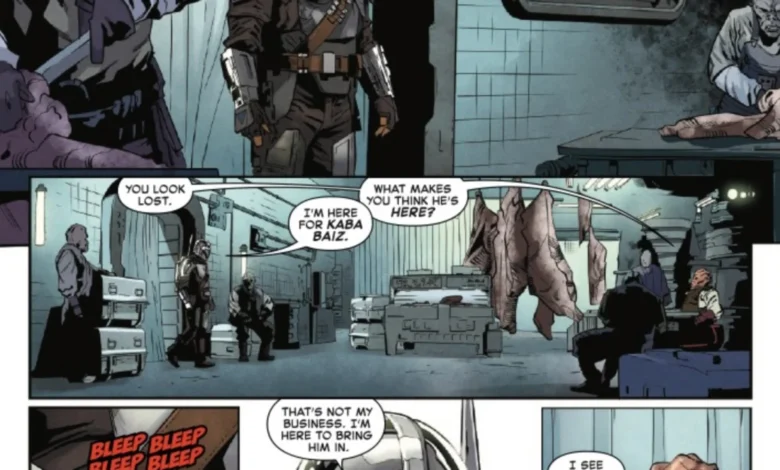
Marvel Comics is set to release Star Wars: The Book of Boba Fett #5 on November 11, continuing the print adaptation of the critically acclaimed Disney+ streaming series. Written by Rodney Barnes with interior artwork by Will Sliney and covers designed by artists including Rickie Yagawa, Dave Wachter, and Luke Ross, the upcoming 40-page issue dives deeper into the internal and external conflicts faced by the title character, Din Djarin, commonly known to audiences as the Mandalorian. This installment adapts significant narrative beats from the live-action television universe, focusing specifically on the protagonist’s ongoing difficulties wielding the legendary Darksaber, his strained relationship with his foundational creed, and a pivotal transition that aligns his path with the criminal underworld of Tatooine.

Main Facts and Narrative Focus
The official solicitation details provided by Marvel Comics outline the core plot points of issue #5, highlighting the return of the Mandalorian to familiar territory under duress. The synopsis states that Din Djarin must learn to master the Darksaber—an ancient, black-bladed weapon of immense political and cultural significance among the Mandalorian people. However, his ineptitude with the blade leads to severe repercussions, including facing potential banishment by the Armorer, the spiritual and traditional leader of his covert group.
To rectify structural damage to his N-1 starfighter, Djarin travels to the desert planet of Tatooine. Additionally, the issue teases a lucrative yet complicated proposition from the newly established criminal syndicate leaders, Boba Fett and Fennec Shann. Priced at $5.99 and rated T for Teen, the issue bridges the gap between traditional Mandalorian lore and the broader power struggles unfolding in the Outer Rim territories following the collapse of the Galactic Empire.

Background Context and Chronology
The events depicted in Star Wars: The Book of Boba Fett #5 occupy a specific transitional window within the broader Star Wars timeline, set roughly five years after the events of Return of the Jedi. This era is characterized by a fragmented galaxy where remnants of the Imperial military remnants operate in the shadows, and local crime lords vie to fill vacuums left by the fallen Hutt Cartel.
Chronologically, the comic book series adapts the storyline first introduced in live-action during the Mandalorian-centric episodes of the Disney+ series The Book of Boba Fett (specifically Season 1, Episode 5: "Chapter 5: Return of the Mandalorian"). In this narrative arc, Din Djarin wins the Darksaber in combat from Moff Gideon during the rescue of Grogu, inadvertently complicating his standing within his orthodox Mandalorian sect, the Tribe. According to ancient custom, ownership of the Darksaber bestows the right to rule Mandalore, yet Djarin’s lack of formal training causes the weapon to feel heavy and unresponsive, leading to physical strain and symbolic failure during sparring sessions with the Armorer.

Upon confessing that he has removed his helmet—violating the strict tenets of "The Way"—Djarin is declared an apostate. The Armorer decrees that he can only redeem himself by bathing in the living waters beneath the mines of Mandalore, a planet long rendered desolate and toxic by the Empire’s Great Purge. Before he can embark on that spiritual quest, however, he must address the mechanical failures of his newly acquired modified N-1 starfighter, prompting his return to Tatooine where Peli Motto assists with repairs, and where Boba Fett subsequently enlists his aid.
Production and Creative Team Insights
The transition of live-action Star Wars television properties into printed comic book media represents a core component of Marvel’s modern publishing strategy. Rodney Barnes, a veteran writer known for his work across television and comic books—including Marvel’s previous Star Wars adaptations and creator-owned series—brings a deep understanding of character-driven conflict to the script. Will Sliney’s dynamic penciling captures the kinetic energy of lightsaber combat and the distinct aesthetic of the Mandalorian armor, maintaining visual continuity with the television production design while utilizing the expressive medium of sequential art.

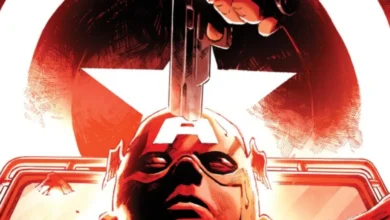
The release also features a robust suite of variant covers designed to appeal to direct-market collectors. Alongside the primary cover by Rickie Yagawa, Marvel has solicited a 1:25 incentive variant by Dave Wachter and a standard variant cover by veteran Star Wars artist Luke Ross. These variants reflect the economic model of the modern comic book industry, where collectible covers drive initial ordering volumes among specialty retailers and dedicated collectors.
Broader Impact and Industry Implications
The publication of Star Wars: The Book of Boba Fett #5 underscores the enduring viability of transmedia storytelling within the modern entertainment landscape. By adapting streaming content into monthly comic book issues, publishers provide fans with an alternative way to engage with established canon, offering deeper internal monologues and pacing adjustments that differ from episodic television.

For Marvel Comics, the Star Wars license remains a cornerstone of its stable of licensed properties, consistently ranking among the top-selling graphic fiction lines in the direct market. The inclusion of narrative turning points such as the burden of the Darksaber allows writers to explore philosophical themes regarding identity, dogma, and adaptation. As Din Djarin transitions from a rigid, dogmatic lifestyle toward a broader understanding of his place in a changing galaxy, the comic medium provides a detailed lens through which readers can examine the psychological toll of leadership, the weight of tradition, and the practical challenges of survival in the Outer Rim.
Issue #5 arrives in comic book specialty shops and digital platforms nationwide on November 11, serving as both a continuation of an established television narrative and a standalone chapter in Marvel’s ongoing expansion of the galactic canon.