Revisiting the Legacy of Supergirl Woman of Tomorrow Ahead of the 2026 Feature Film Adaptation

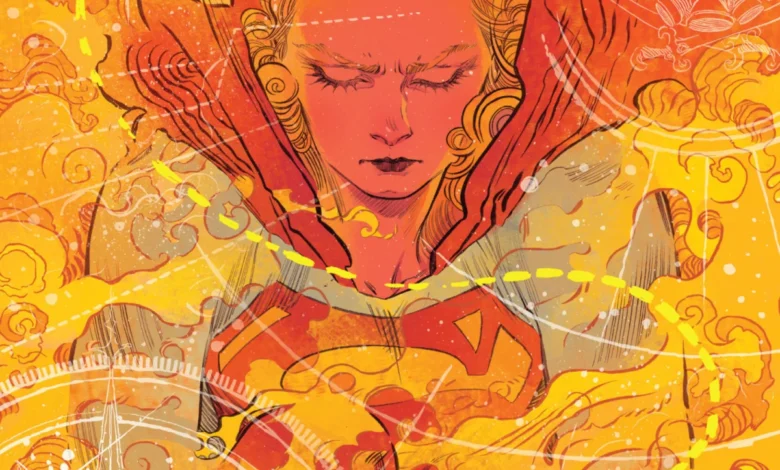
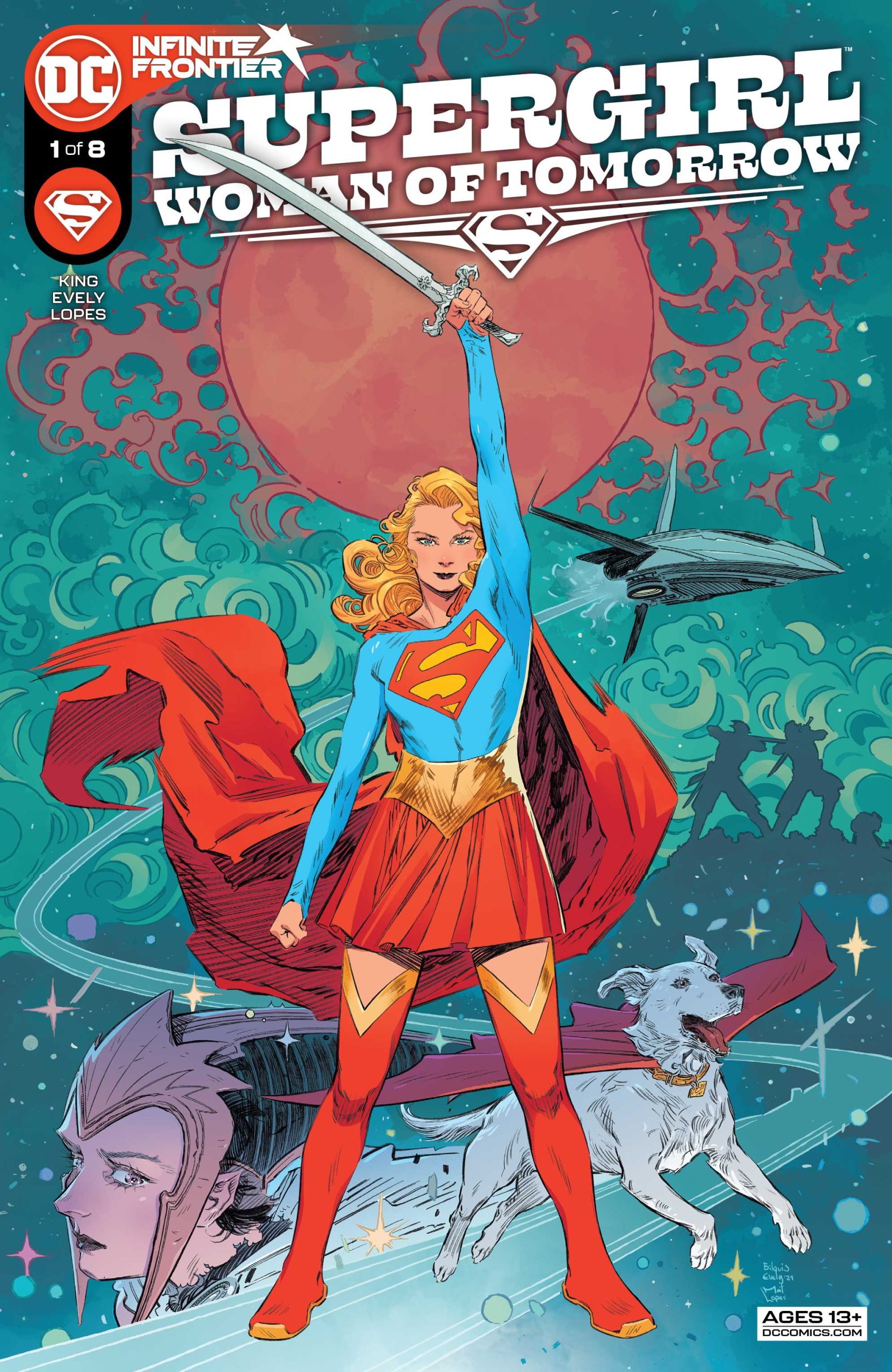
When the eight-issue limited series Supergirl: Woman of Tomorrow first debuted in 2021, it was widely heralded as a transformative entry in the DC Comics canon. Penned by Tom King with breathtaking interior art by Bilquis Evely and color palettes by Matheus Lopes, the series presented a departure from traditional superhero storytelling, opting for a space-faring odyssey that leaned heavily into character study. As the industry prepares for the theatrical release of the live-action Supergirl motion picture on June 26, 2026—a film confirmed to be based on this specific narrative—the comic has seen a massive resurgence in readership. This renewed focus has sparked a vigorous critical re-examination of the series, shifting the discourse from its initial accolades toward a more nuanced debate regarding character consistency and the nature of trauma in modern superhero fiction.
A Chronology of the Woman of Tomorrow Narrative
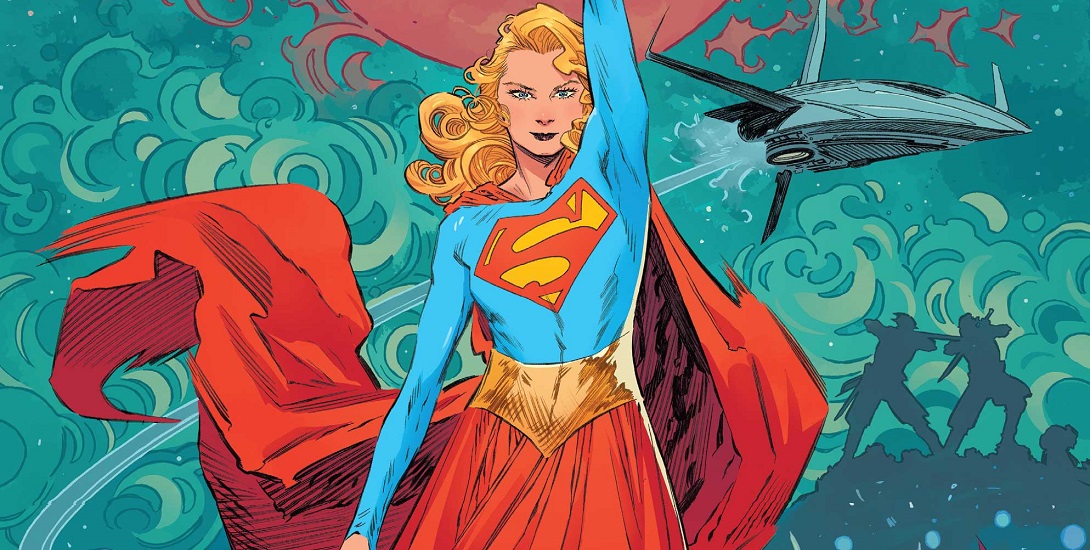
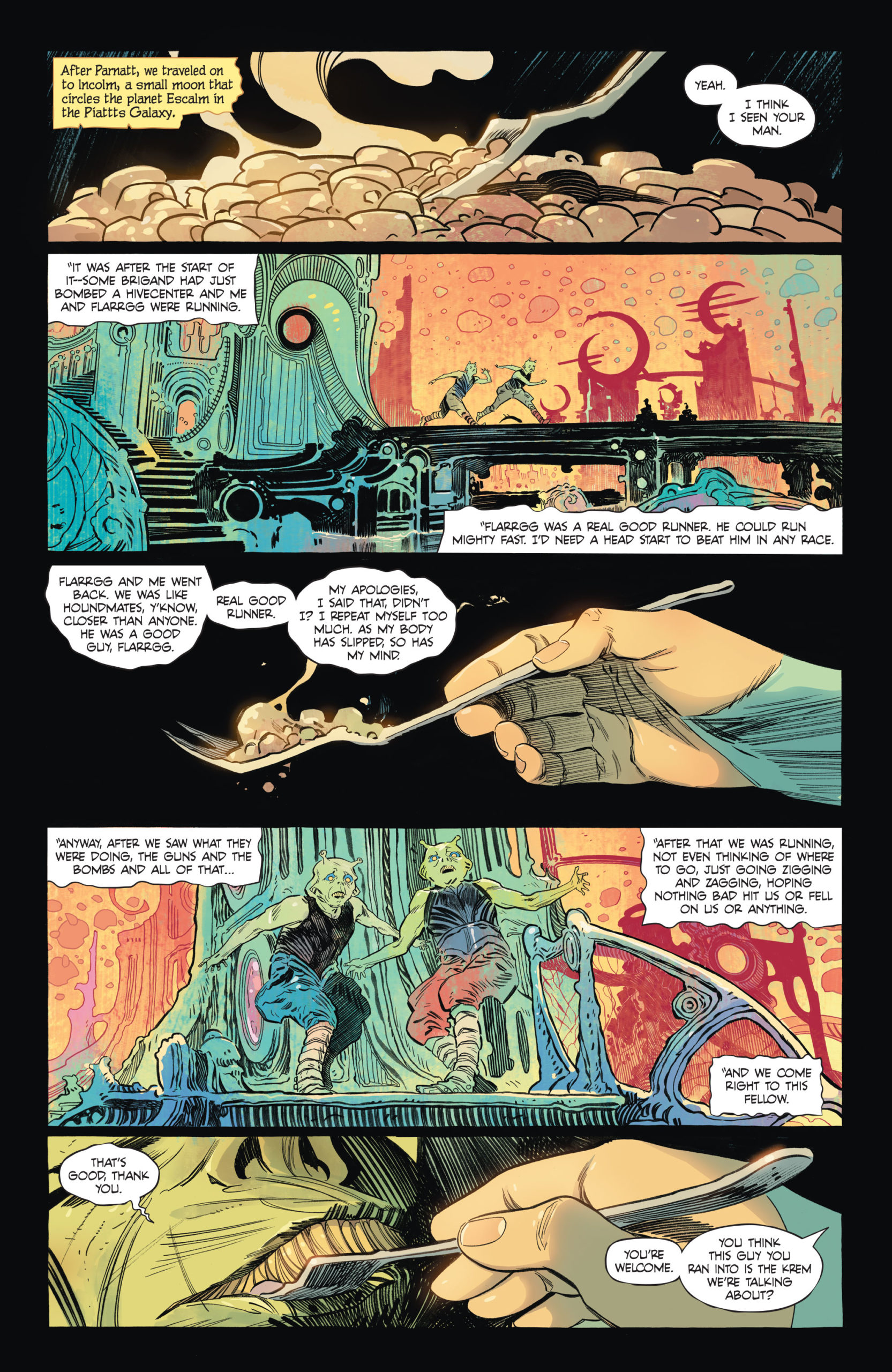
The series follows Kara Zor-El, the Maid of Might, who is approached by a young alien girl named Ruthye Marye Knoll. Ruthye seeks justice for the murder of her father at the hands of Krem of the Yellow Hills, a space-faring outlaw. The quest evolves into a sprawling, multi-planetary pursuit that challenges Kara’s identity, her connection to her Kryptonian heritage, and her fundamental moral compass.
The story is structured across eight issues, beginning with a controversial depiction of Kara on her 21st birthday, followed by a journey that mirrors classical literary tropes, such as the Western and the space opera. The narrative concludes with a complex, often debated final issue that utilizes visual parallelisms to suggest a grim resolution to the conflict between Ruthye and Krem.
Characterization and the Debate on Traumatic Depiction
Central to the recent critical discourse is the portrayal of Supergirl herself. In the opening chapter, Kara is depicted in a state of isolation and inebriation, a creative choice that has divided longtime fans. Proponents of the series argue that this depiction serves as a humanizing element, illustrating the weight of her displacement and the unique loneliness of being the last daughter of a dead world. Critics, however, argue that this characterization ignores her established history as a resilient, optimistic hero who has integrated into life on Earth, often citing her close familial bonds with Clark Kent and Lois Lane as reasons why she would not spend her 21st birthday in such a state.
The argument has been raised that the series suffers from a lack of "Kryptonian context." Had the narrative established a specific rite of passage—akin to the choosing of a Guild seen in previous iterations of the character—the emotional stakes of her birthday might have felt more grounded in her specific culture. Instead, the current narrative relies on a vague sense of existential nihilism that some readers find inconsistent with the character’s legacy.

Artistic Excellence vs. Narrative Divergence
Despite the polarizing nature of the script, there is a near-universal consensus regarding the artistic execution of the series. Bilquis Evely’s pencils and Matheus Lopes’ colors have been cited by critics as some of the most sophisticated work in the DC stable. The visual language of the book is often described as "painterly" and "ethereal," effectively contrasting the cosmic scale of the adventure with the intimate, often brutal, emotional beats of the story.
This disconnect—between high-level artistic praise and contentious narrative choices—is a recurring theme in Tom King’s bibliography. His previous works, such as Strange Adventures and The Human Target, have similarly drawn praise for their visual flair while sparking heated debates over the "in-character" behavior of their respective leads. In the case of Woman of Tomorrow, the contention lies in whether the character is "deconstructed" or "altered" to fit the author’s specific thematic goals.

The Significance of the Final Act
The conclusion of the series remains its most analyzed element. In the final issue, the narrative suggests that Ruthye, having been guided by Supergirl, ultimately executes justice upon Krem. When viewed through the lens of filmmaking, the parallel between the opening page—where Krem kills Ruthye’s father—and the final page—where Ruthye confronts Krem—functions as a deliberate cycle of violence.
The implications for Supergirl’s character arc are profound. If Kara allows this act to occur, it represents a departure from her traditional heroic code. Some analysts interpret this as a sign of her "nihilistic descent," suggesting that by the end of the series, Kara has resigned herself to the reality that some traumas cannot be overcome, only managed through the lens of retribution. Others interpret the ending as an acknowledgment that Supergirl is a mentor figure who recognizes the necessity of closure for those she protects, even when that closure is violent.
Broader Implications for the 2026 Film
With the film adaptation approaching, the scrutiny of this comic is not merely academic. It serves as a litmus test for how the general public may receive a more "mature" or "darker" take on the Supergirl character. The film, which is expected to adapt the core themes of the comic, faces the challenge of translating these complex, often ambiguous, narrative beats into a format that must satisfy both long-term comic fans and a broader cinematic audience.
The discourse surrounding the comic highlights an ongoing tension in the superhero genre: the push and pull between "iconic" character representation and "auteur" storytelling. While traditionalists prefer a version of Supergirl that remains consistent with decades of established lore, others champion the series for its willingness to push the boundaries of what a superhero story can explore, specifically regarding the long-term, cyclical nature of trauma.
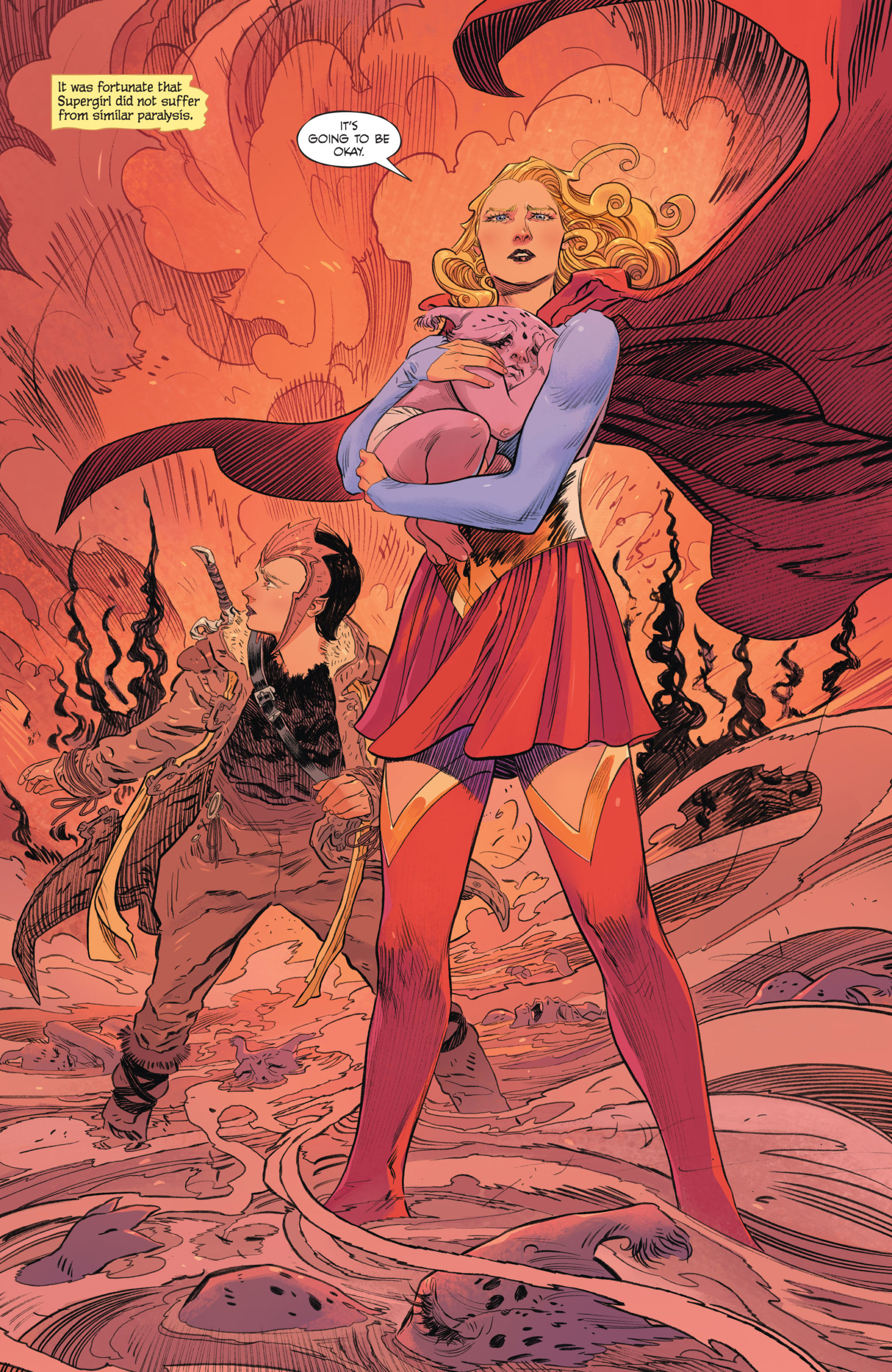
As the June 2026 release date nears, the conversation is unlikely to subside. If the film leans into the nihilistic themes of the source material, it may redefine the public’s perception of Supergirl for a new generation. If it pivots toward a more traditional heroic narrative, it may alienate those who found the original comic’s departure from the norm to be its most compelling strength. Regardless of the outcome, the 2021 miniseries has cemented itself as a pivotal text that will define the debate around the character for years to come. The legacy of the work is already secure, not necessarily for the universal agreement it generates, but for the profound and necessary questions it poses about what it means to be a hero in a world that is not always fair.
Related posts: