Kevin Feige and Ryan Coogler reflect on the profound legacy of Chadwick Boseman and the human cost of the Marvel Cinematic Universe

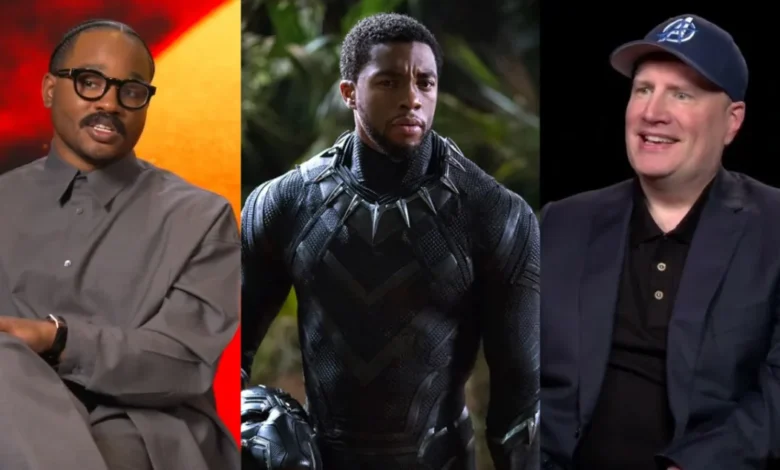
The sudden passing of Chadwick Boseman in August 2020 sent shockwaves through the global entertainment industry, leaving an indelible mark on his colleagues, fans, and the trajectory of one of the world’s most successful film franchises. Years removed from the tragedy, Marvel Studios President Kevin Feige and director Ryan Coogler have opened up about the personal toll of that loss, offering a rare glimpse into the delicate balance between corporate responsibility and genuine human connection at the highest levels of Hollywood. During a recent event at the University of Southern California, the two creative titans reflected on how the loss of their friend and lead star shifted their perspectives on professional relationships and the weight of their cinematic legacy.
A Legacy Interrupted: The Timeline of a Cultural Phenomenon
To understand the weight of the conversation between Feige and Coogler, one must look at the timeline of the Black Panther phenomenon. Released in 2018, the original film was a watershed moment for representation in blockbuster cinema. It grossed over $1.3 billion worldwide, becoming the first superhero film to receive a Best Picture nomination at the Academy Awards. Chadwick Boseman’s portrayal of T’Challa, the King of Wakanda, was widely lauded for its regal dignity and emotional complexity.
Following the film’s success, plans for a sequel were immediately set in motion. However, the production was halted by the global pandemic in early 2020, and shortly thereafter, the industry suffered a devastating blow with the news of Boseman’s private battle with colon cancer. His death at age 43 necessitated a complete overhaul of the planned sequel, Black Panther: Wakanda Forever, which ultimately became a meditation on grief, loss, and the transition of power.
The Professional and Personal Intersection
During their USC discussion, Kevin Feige admitted that his role as the architect of the Marvel Cinematic Universe often fostered a mindset of "perpetual motion." He described a professional environment where the focus is perpetually on the next slate of films, the next crossover, and the next narrative milestone. This momentum, Feige confessed, led to a subconscious assumption that there would always be time to reconnect with colleagues outside of the pressures of a film set.
"We will be back in there, that was always my expectation," Feige remarked. "So the need to set a dinner or a lunch to say hi, I just never do. Because we’re busy and because we’re going to have a next time. And that hit me like a ton of bricks when I realized that there wasn’t going to be a next time." This reflection highlights the inherent tension in high-stakes filmmaking: the prioritization of schedules and output often comes at the expense of the interpersonal bonds that drive the creativity in the first place.
Behind the Scenes: Compassion Over Commerce
Ryan Coogler, who recently garnered further industry accolades for his work on the film Sinners, provided a poignant perspective on how Marvel Studios leadership responded to the crisis. In the immediate aftermath of the news, there was intense speculation regarding the future of the Black Panther franchise. However, according to Coogler, the primary concern of Marvel and Disney executives was not the bottom line, but the welfare of the creative team.
"They came to our apartment in lockdown, and we walked around the Richmond Arena and just talked," Coogler recounted. "And that was the first real check-in. And it wasn’t ‘Hey, what are we going to do about this franchise?’ It was about, ‘Hey, are you OK? How are you taking it?’ It was a real moment where you see the humanity beyond the corporate things and the financial responsibilities."
This account serves as a critical counter-narrative to the common critique of major studios as purely profit-driven entities. By prioritizing the emotional well-being of their director over the immediate strategic planning of a multi-billion dollar intellectual property, Feige and Disney CEO Bob Iger navigated a period of intense public scrutiny with a focus on human stewardship.
The Quantitative and Qualitative Impact
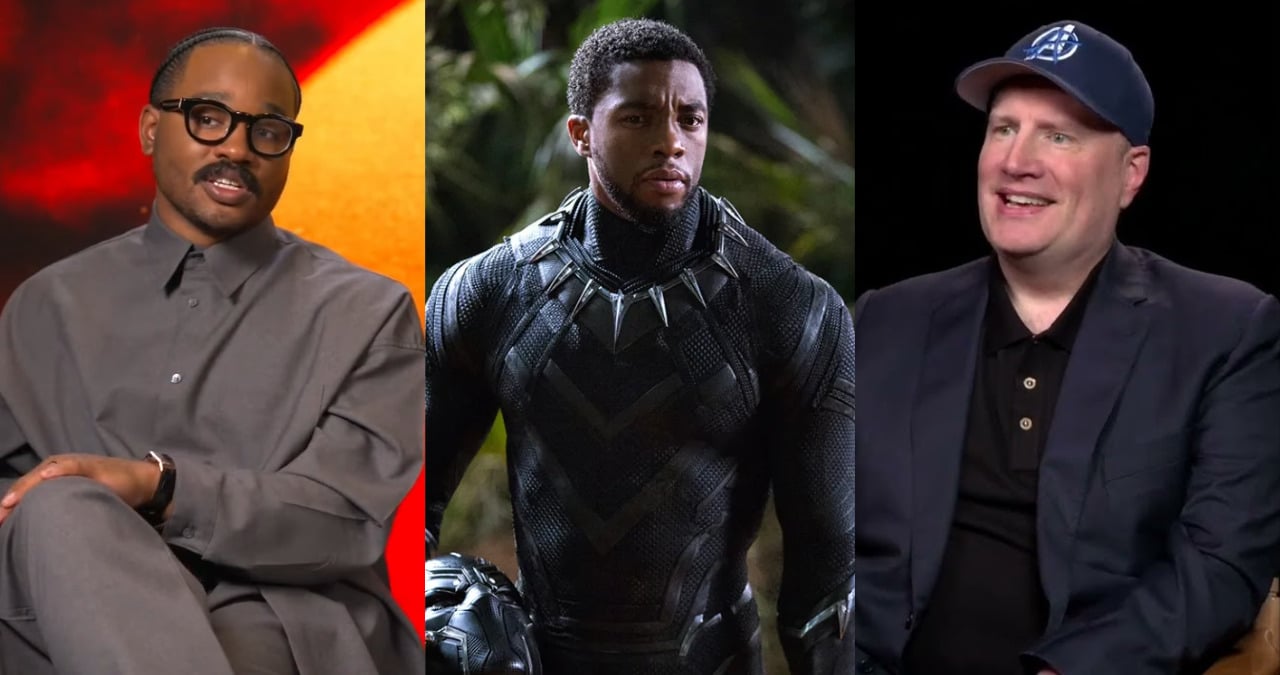
The impact of Boseman’s death on the Marvel Cinematic Universe cannot be overstated. From a data perspective, the Black Panther franchise represents a pillar of the MCU’s Phase Three and Four stability. Black Panther: Wakanda Forever (2022) grossed approximately $859 million globally. While this was a slight dip compared to the original, it remained a massive commercial success during a period when the box office was still recovering from the effects of the pandemic.
More importantly, the quality of the sequel was defined by the absence of its lead. Critics and audiences noted that the film’s narrative success was rooted in its willingness to address the real-world death of the actor. This approach was a significant departure from the standard practice of "recasting" a lead role, a move that would have likely faced intense fan backlash. By choosing to honor the character’s death, the studio shifted the genre’s traditional focus on spectacle toward a narrative of collective mourning.
Future Trajectories: The Road to Black Panther 3
As the Marvel Cinematic Universe moves toward the conclusion of its Multiverse Saga, the conversation has inevitably shifted toward the future. Reports indicate that Black Panther 3 is in active development, with Coogler expected to return to the director’s chair.
The question of how to proceed with the character of T’Challa—or the mantle of the Black Panther—remains a subject of intense industry analysis. With rumors of potential recasting or, conversely, a focus on the next generation of Wakandan protectors, the studio faces a complex creative challenge. How does a franchise move forward when its central heartbeat is gone?
The answer, as implied by Feige and Coogler’s recent reflections, lies in maintaining the cultural significance of the property while honoring the legacy of the actor who built it. The "humanity beyond the corporate" sentiment shared by Coogler suggests that the creative decisions moving forward will be treated with the same sensitivity that characterized the aftermath of 2020.
Broader Industry Implications
The discourse between Feige and Coogler serves as a case study for leadership in the entertainment sector. In an era where franchises are treated as long-term assets to be managed for decades, the human element can often be obscured. The public acknowledgment of their grief and the candid discussion about their missed opportunities to connect with Boseman serves as a reminder of the fragility of the creative process.
As Hollywood continues to grapple with the demands of massive intellectual properties, the lessons learned from the Black Panther experience remain relevant. The success of the franchise was not just in the visual effects or the world-building, but in the trust between the director and the studio, and the profound connection between the actor and the audience.
Conclusion
The legacy of Chadwick Boseman extends far beyond his work on screen. It has forced a reflection on how the entertainment industry handles loss and how it balances the immense pressure of global success with the necessity of compassion. As Marvel Studios looks toward the next chapter of the Black Panther story, the foundation remains the same: a commitment to telling stories that resonate on a human level. Whether through the development of the third installment or the broader expansion of the MCU, the influence of Boseman’s tenure as the King of Wakanda will undoubtedly continue to shape the trajectory of the franchise for years to come. The industry, and the audience, remain invested not just in the spectacle of the next film, but in the integrity of the legacy left behind.