Cyber Protocol: David Bianchi revisits the world of RZR Bringing new audiences to a lost digital web series

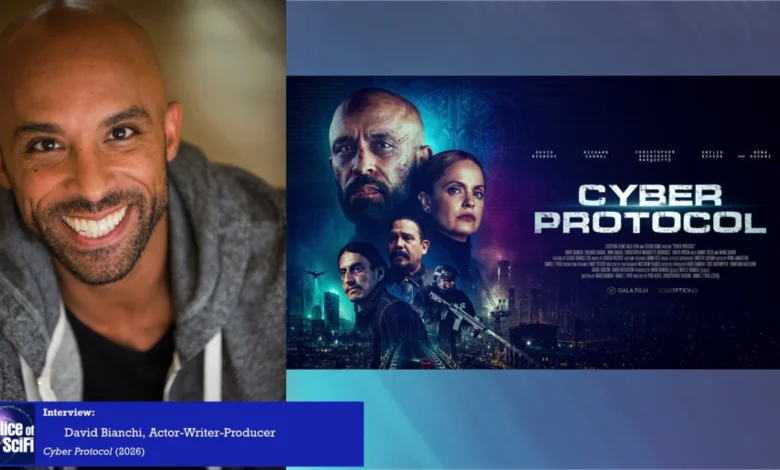
The landscape of digital distribution in the modern entertainment industry has long been fraught with peril, particularly for independent creators whose work relies heavily on experimental streaming platforms. When platforms fail or file for bankruptcy, the digital footprint of critically acclaimed projects can vanish overnight, trapping innovative content in licensing limbo. This exact fate befell RZR, a gritty sci-fi web series that earned significant industry recognition—including a 2024 Primetime Emmy nomination for co-star Mena Suvari. However, rather than letting the dystopian universe fade into obscurity following the collapse of its original home on Gala Film, actor, writer, and producer David Bianchi has orchestrated a triumphant resurrection. By transforming the lost digital series into a cohesive feature film titled Cyber Protocol, Bianchi is giving both the project and its fanbase a second chance at life.
The Rise, Fall, and Resurrection of a Sci-Fi Vision
To understand the significance of Cyber Protocol, one must examine the turbulent journey of RZR. Released initially as a serialized digital web project, the series aimed to push the boundaries of independent science fiction through high-concept world-building and strong performances. Set in a near-future Los Angeles governed by corporate greed, digital surveillance, and societal decay, RZR quickly caught the attention of both viewers and critics.
The project’s artistic merit was formally validated during the 2024 television awards season when Mena Suvari received a prestigious Primetime Emmy nomination in the category of Outstanding Performer in a Short Form Comedy or Drama Series. Despite this critical acclaim, the business side of the digital distribution model proved fragile. Gala Film, the platform hosting the series, ultimately went out of business. Overnight, the digital gateway to RZR slammed shut, rendering the episodes entirely inaccessible to the public and effectively turning the acclaimed series into a piece of lost media.
Faced with the prospect of his creative vision disappearing from the cultural landscape, Bianchi took decisive action. Rather than allowing corporate insolvency to dictate the lifespan of his work, he spearheaded the effort to adapt and expand the narrative into Cyber Protocol. By reframing the serialized segments into a feature-length film format, Bianchi not only preserved the core narrative but also opened the door for broader distribution channels, ensuring that new audiences could finally experience the gritty ecosystem he and his team constructed.
Constructing the Gridzone: A Lived-In Dystopia
At the heart of Cyber Protocol is a meticulously crafted dystopian environment known as the Gridzone, located in a fractured and futuristic Los Angeles. During recent discussions detailing the film’s development, Bianchi emphasized the intentionality behind the design of this subterranean world. Unlike sci-fi projects that rely on pristine, sterile futuristic aesthetics, Cyber Protocol opts for a gritty, lived-in realism that grounds its high-tech concepts in tangible human struggle.
The narrative explores a dark socio-economic ecosystem powered by advanced technology, where the lines between law enforcement and organized crime have completely blurred. Surveillance and counter-surveillance dictate the daily lives of citizens, while neural implants serve as both tools of integration and chains of control. Furthermore, the economy of this underworld is fueled by cryptocurrencies, which enable criminal syndicates to operate with virtual impunity while corrupt law enforcement agencies fight desperately to maintain their iron grip on waning territories.
Industry analysts often point out that successful science fiction relies heavily on world-building that reflects contemporary anxieties. By focusing on themes of pervasive surveillance, corporate-state collusion, and the weaponization of digital currency, Cyber Protocol taps directly into modern societal concerns regarding data privacy, technological dependency, and institutional corruption. This thematic resonance elevates the film from a standard action-thriller into a cautionary tale about the trajectory of modern urban centers.
Distribution and Industry Implications
The transition of Cyber Protocol from a defunct digital web series to a commercial feature film highlights a growing trend in independent filmmaking: adaptability in the face of platform volatility. With the rapid expansion and contraction of niche streaming services, creators are increasingly learning that tying a project exclusively to a single, unproven platform carries immense career and financial risks.
By partnering with Studio Dome for distribution, Bianchi has secured a stable launchpad for the film. Cyber Protocol is scheduled for release on November 10, premiering majorly on Prime Video. This strategic move leverages the vast infrastructure of established global streaming giants rather than relying solely on boutique platforms that may lack financial resilience.
From an industry perspective, this release serves as a case study in intellectual property preservation. Independent creators watching the streaming wars unfold have frequently voiced concerns over content disappearing due to corporate tax write-offs, mergers, or platform bankruptcies. Bianchi’s proactive approach in re-editing and repackaging RZR into Cyber Protocol demonstrates a viable blueprint for rescuing stranded assets and finding alternative monetization and audience-building routes.
Broader Impact on Independent Sci-Fi Cinema
The journey of Cyber Protocol resonates deeply within the independent science fiction community, where creators constantly battle budgetary constraints and the whims of changing digital distribution paradigms. Short-form digital series have historically served as a vital incubator for up-and-coming talent, allowing directors and writers to showcase high-concept ideas without the multi-million-dollar backing of major Hollywood studios. However, the lack of permanent archiving solutions for digital-first content has often left these incubators vulnerable.
When projects like RZR are successfully revived as feature films, it validates the format as a legitimate testing ground for larger cinematic universes. It also places a spotlight on the resilience of indie filmmakers who refuse to let institutional failure dictate the final chapter of their creative endeavors. With the upcoming release of Cyber Protocol, audiences are not only gaining access to a thrilling cinematic experience previously locked behind the doors of a defunct platform; they are also witnessing a testament to creative ownership and persistence in the modern digital age. As the film prepares to reach global viewers through Prime Video on November 10, its reception will likely be closely monitored by creators facing similar distribution challenges across the entertainment sector.