The Price of Saving the Galaxy: Why a New Mass Effect Could Cost Over $200 Million Amid BioWare’s Closure and Fan Backlash

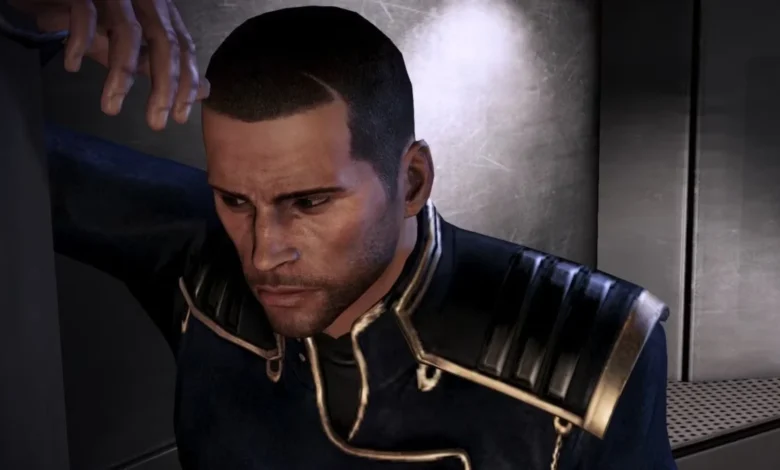
The future of one of science fiction’s most celebrated gaming franchises remains shrouded in uncertainty as industry veterans and grassroots movements grapple with the financial and structural realities of modern AAA game development. Following the shocking closure of legendary developer BioWare by Electronic Arts (EA) and the subsequent cancellation of Mass Effect 5, industry discussions have centered on the immense capital required to revive the beloved intellectual property. According to Trent Oster, co-founder of BioWare, bringing Commander Shepard and the Milky Way universe back to modern hardware with the level of polish expected by contemporary audiences could easily exceed a $200 million price tag.
Oster’s remarks shed light on the daunting economic hurdles facing any potential buyer, investor, or studio hoping to rescue the franchise. As the viral #SaveMassEffect campaign gains unprecedented momentum—surpassing 317,000 signatures on change.org—the feasibility of continuing the series hinges not only on securing the intellectual property rights from EA but also on navigating the notoriously high costs associated with top-tier role-playing game production.
The Anatomy of a $200 Million Franchise: Production Realities in Modern Gaming
The economics of modern AAA video game development have evolved drastically over the past decade. High-fidelity visuals, expansive open-world design, complex branching narratives, cinematic motion capture, and state-of-the-art voice acting require massive multidisciplinary teams operating over multi-year cycles. When Oster addressed the financial commitments required for a new Mass Effect installment via social media, he emphasized that contemporary audience expectations leave little room for compromises.
"The scary component of Mass Effect is the audience is want the best of ‘AAA’ development," Oster stated, pointing out that rough ballparks based on contemporary projects point to a baseline investment of $200 million or more. Committing such a significant sum upfront demands a comprehensive, long-term strategic plan for the intellectual property to ensure profitability.
However, Oster also noted that alternative approaches exist for studios willing to adopt a disciplined methodology. By streamlining scope and focusing primarily on core narrative beats rather than bleeding-edge technical maximalism, a game could theoretically be produced at a lower cost. Yet, Oster cautioned that such a scaled-down project would diverge significantly from the expansive universe concept previously envisioned by the development team. Furthermore, he argued that the fanbase deserves a sustained revival rather than a single, isolated release, making the acquisition and liberation of the IP a critical first step.
The Rise and Fall of BioWare: A Timeline of Corporate Restructuring and Studio Closure
The conversation surrounding the financial viability of Mass Effect 5 is inextricably linked to the rapid and tumultuous decline of BioWare, a studio that defined the sci-fi RPG genre for a generation. The closure of the Edmonton-based developer sent shockwaves through the global gaming community, marking the end of an era for a studio renowned for culturally significant franchises such as Baldur’s Gate, Dragon Age, and Mass Effect.
The groundwork for BioWare’s closure was laid amid seismic shifts in corporate ownership. Earlier this year, a massive $55 billion leveraged buyout of Electronic Arts—involving significant international capital and private equity interests—introduced intense financial scrutiny across EA’s entire portfolio. Industry experts had long anticipated that structural consolidation and cost-cutting measures would follow the acquisition.
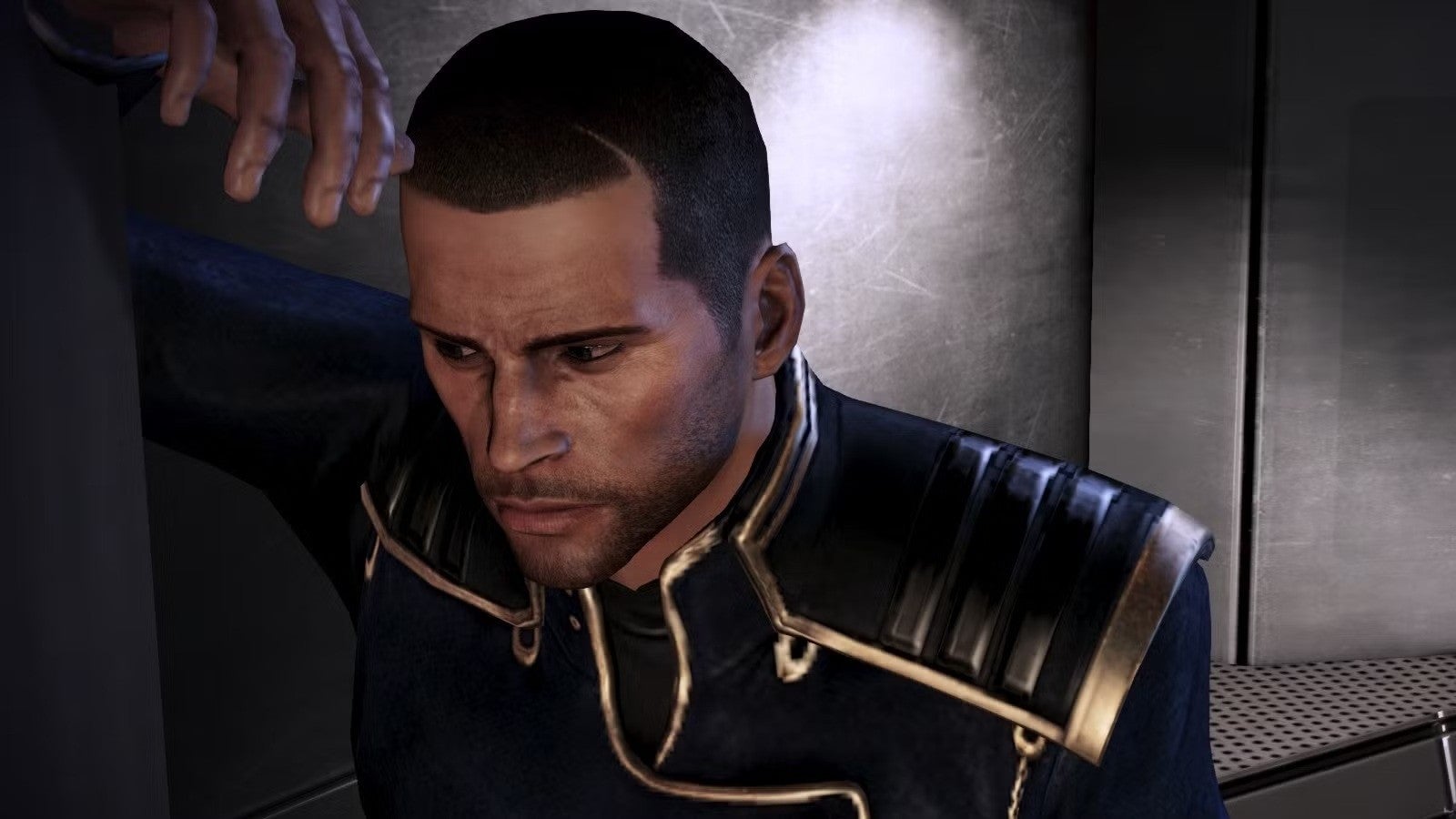
Internal reports surfaced indicating that EA’s leadership was forced to make difficult strategic choices regarding resource allocation between competing sci-fi properties. Ultimately, management opted to prioritize a new Star Wars Battlefront project over the continuation of the Mass Effect universe, sealing the fate of BioWare and resulting in the immediate cancellation of Mass Effect 5. The closure triggered widespread condemnation from industry peers, former developers, and devoted fans alike, culminating in emotional farewells across global gaming platforms.
Grassroots Mobilization: The #SaveMassEffect Movement and Political Intervention
In the wake of the studio’s shuttering, the gaming community’s response transcended traditional digital advocacy, transforming into an international campaign demanding corporate accountability and institutional intervention.
The #SaveMassEffect petition, launched by community member Joe Smith, experienced exponential growth, rocketing past 185,000 signatures within days before ultimately surpassing the 317,000 mark. Unlike petitions designed solely to protest a corporate decision, Smith’s initiative explicitly urges decisive action: a commitment to the continued development of the Mass Effect intellectual property, whether through EA reversing its internal strategy or by transferring the rights to a capable external studio.
The movement soon entered the realm of geopolitical discourse. In an extraordinary turn of events, Canadian fans escalated their grievances to the legislative level, calling upon the Canadian government to protect domestic creative industries and intervene in the studio’s closure. This governmental pressure was amplified when New Democratic Party (NDP) leader Avi Lewis publicly urged federal authorities to support former BioWare employees in potentially acquiring the studio or establishing worker-led cooperative initiatives backed by public support.
Broader Implications for the Video Game Industry
The unfolding situation surrounding Mass Effect and BioWare highlights systemic vulnerabilities within the contemporary video game industry. As development budgets soar into astronomical figures, the tolerance for financial risk among multinational publishers has narrowed drastically. Projects requiring hundreds of millions of dollars are frequently subjected to sudden cancellation if they fail to align with shifting corporate priorities or short-term profitability metrics.
The debate sparked by Trent Oster’s financial estimates underscores a fundamental tension in modern entertainment: the conflict between artistic ambition and corporate risk management. Fans demand expansive, high-fidelity experiences, yet the financial architecture required to deliver those experiences makes franchises uniquely fragile when corporate parents undergo restructuring or ownership changes.
As of press time, Electronic Arts has issued no official statement regarding whether it would entertain offers to sell or license the Mass Effect intellectual property to third-party developers. Meanwhile, the passionate mobilization of hundreds of thousands of fans and the persistent advocacy of industry veterans prove that the appetite for interstellar storytelling remains undiminished. Whether corporate pragmatism will eventually align with fan demand remains one of the most compelling unanswered questions in contemporary interactive entertainment.