The DS9 crew run out of time to solve a terrifying mystery in Star Trek Holo-Ween II finale preview

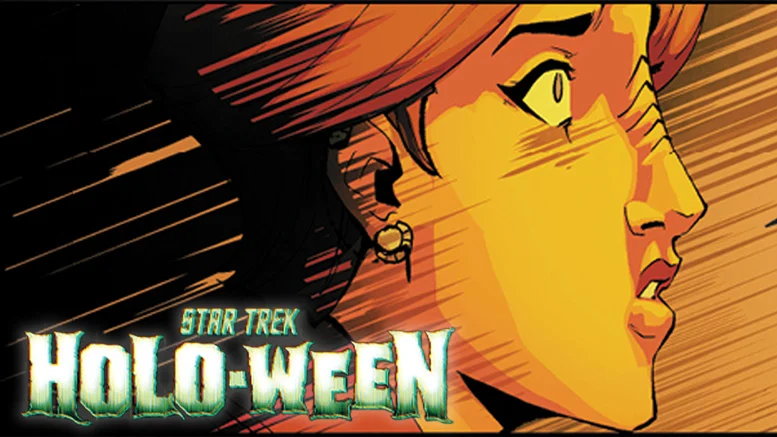
The tension on Deep Space Nine reaches a fever pitch this week as IDW Publishing prepares to release the final installment of its highly anticipated horror-centric comic event, Star Trek: Holo-Ween II. Following the conclusion of a multi-part narrative that saw the station’s crew thrust into an inexplicable and lethal anomaly, the finale promises to resolve the high-stakes mystery that has plagued the Bajoran sector throughout October. Written by Alex Segura with atmospheric illustrations by Bailie Rosenlund, this final issue marks the culmination of an annual tradition that has successfully carved a niche for the Star Trek franchise within the horror genre.

A Legacy of Holodeck Horror
To understand the gravity of the current situation on Deep Space Nine, one must look back at the origins of this seasonal event. In October 2023, IDW Publishing debuted the original Star Trek: Holo-Ween miniseries. That inaugural arc, which featured the crew of the USS Enterprise-D, introduced fans to a unique storytelling experiment: placing classic Star Trek characters in gothic, supernatural scenarios facilitated by the malfunctions or intentional corruption of holodeck technology.
The 2023 series gained significant critical attention for its departure from the standard "diplomatic mission" or "technobabble-driven" plots typically associated with the franchise. By focusing on psychological tension and localized horror, the series allowed writers to explore the darker corners of the Star Trek universe. The success of the initial miniseries, which pitted the Enterprise crew against the malevolent entity known as Redjac, created a blueprint for the "Holo-Ween" branding—a yearly anthology that leverages the series’ existing lore to explore fear, morality, and the fragility of reality.

The Narrative Stakes of the Deep Space Nine Finale
The plot of Star Trek: Holo-Ween II has centered on a nightmare scenario manifesting within the confines of Deep Space Nine. Unlike the Enterprise, which is a mobile vessel capable of warping away from danger, the station is a fixed asset with limited defensive mobility. This inherent constraint has been exploited throughout the miniseries to heighten the sense of claustrophobia.
According to the official synopsis provided by IDW, the finale finds the crew—led by Captain Benjamin Sisko and his command staff—at their absolute breaking point. The narrative establishes that time has officially run out, with the lives of the entire station complement hanging in the balance. The "nightmare" that has been consuming the station is no longer an abstract threat; it has materialized into a tangible antagonist that requires the crew to abandon their standard Starfleet protocols in favor of desperate, unconventional gambits.

The thematic core of this finale, as teased by the publishers, revolves around the "trial of morality." In the face of an existential threat, the crew is forced to make choices that blur the lines between heroism and survival. This aligns with the darker, more nuanced tone that has defined the Deep Space Nine era of Star Trek storytelling since its 1993 television premiere.
Production and Creative Credits
The creative team behind this project has been instrumental in maintaining the tonal consistency required for horror storytelling. Alex Segura, known for his work in both crime fiction and comic book writing, has utilized the claustrophobic nature of DS9 to maximize the "whodunit" and "survival horror" aspects of the script. Bailie Rosenlund’s art direction serves as the visual anchor for this dread, utilizing shadows and high-contrast character designs to emphasize the psychological toll of the mystery on the crew.

The finale will feature multiple cover options, a standard practice for high-profile comic releases to incentivize collector interest. Cover A, illustrated by Rosenlund, highlights the central tension of the final confrontation, while Cover B by J.J. Lendl provides a stylistic interpretation of the horror elements present in the story. These variants reflect the publisher’s commitment to the aesthetic presentation of the franchise, ensuring that the visual experience matches the narrative intensity.
Broader Implications for Star Trek Publishing
The release of Star Trek: Holo-Ween II is more than just a seasonal tie-in; it represents a strategic shift in how IDW and Paramount handle the Star Trek intellectual property. By diversifying the genre footprint of the franchise—specifically through the inclusion of horror—the brand is able to engage a broader demographic of readers who may not necessarily seek out traditional science fiction.

Furthermore, the integration of these stories into the broader Star Trek canon (or at least the "official" tie-in comic continuity) suggests a willingness by the licensors to allow for more experimental, one-off narratives. Analysts in the comic industry have noted that this "event" model—releasing short, self-contained arcs during specific calendar windows—is a highly effective strategy for driving consistent monthly sales. It creates a recurring revenue stream that is tied to a specific holiday, making the product highly marketable to both casual fans and dedicated collectors.
Timeline and Accessibility
For readers looking to integrate this finale into their collection, the release schedule is as follows:

- October 2023: Launch of the original Star Trek: Holo-Ween miniseries featuring the Enterprise-D.
- Early October 2026: Commencement of the Holo-Ween II arc on Deep Space Nine.
- October 27, 2026: Finalization of the event with the release of the concluding issue.
The collected volume of the 2023 series is currently available in both digital and physical formats, providing a complete entry point for new readers interested in the series’ history. The current finale is scheduled for distribution through local comic retailers via the Diamond Comic Distributors network and digital platforms such as Amazon/comiXology.
Thematic Analysis: Horror and the Final Frontier
The success of the Holo-Ween series highlights a fascinating paradox in the Star Trek universe: the intersection of advanced technology and the irrational nature of fear. In the Star Trek universe, the holodeck is often used as a metaphor for the subconscious. By turning the holodeck into a source of horror, the writers are essentially weaponizing the characters’ own memories and anxieties against them.

The "trial of morality" mentioned in the finale’s synopsis is a staple of the franchise, but it takes on a different weight when the adversary is not a foreign power or a political rival, but a manifestation of horror. This forces the characters to reconcile their Starfleet values—which prioritize logic, diplomacy, and the preservation of life—with the primal instinct to survive. It is this friction that makes the Holo-Ween series a standout entry in the current Star Trek publishing landscape.
As the crew of Deep Space Nine prepares for their final confrontation, the stakes remain clear. The station, a beacon of stability in the Bajoran sector, is once again on the precipice of destruction. Whether the crew manages to solve the mystery and restore the station to its former state remains to be seen, but the narrative trajectory suggests that the conclusion will leave a lasting impact on the characters involved, proving once again that even in the 24th century, the unknown remains the most dangerous element of space travel.

Fans are encouraged to utilize the Comic Shop Locator service to ensure access to physical copies, as demand for high-profile Star Trek limited series frequently results in quick sell-outs at the retail level. For digital readers, the convenience of the comiXology platform ensures that the finale will be available globally upon its release this Wednesday. As this chapter of the Holo-Ween saga comes to a close, the focus will likely shift toward future event-based storytelling, further cementing the role of comics in expanding the narrative possibilities of the Star Trek universe.