Star Lulu Wilson and director Jenn Wexler celebrate havoc in “THE LAST TEMPTATION OF BECKY” – RUE MORGUE

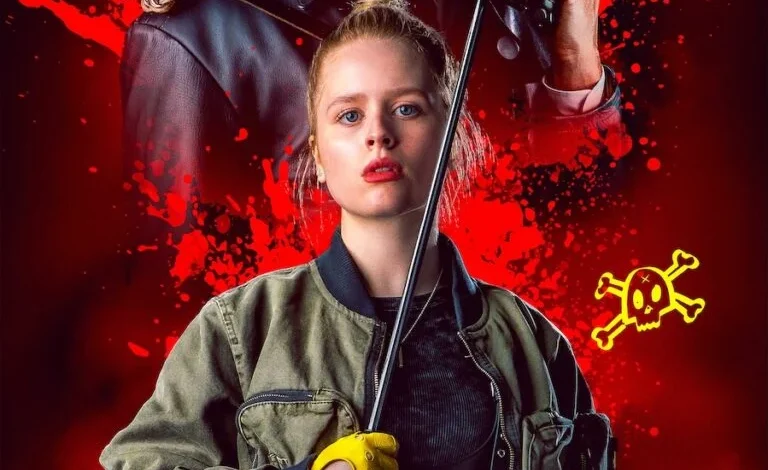
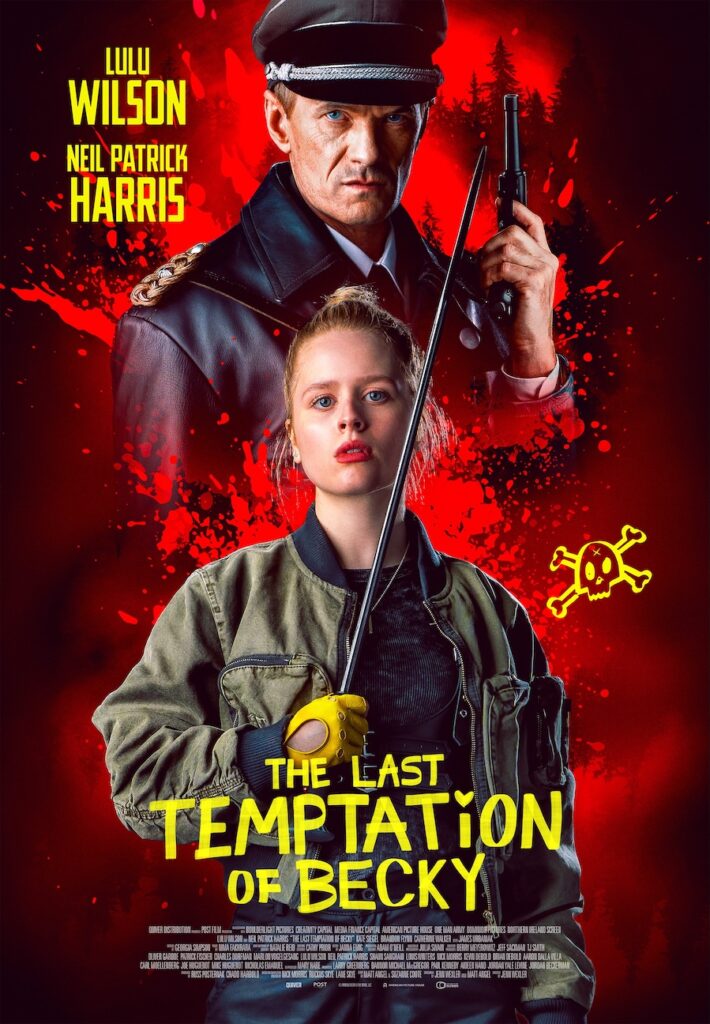
The trajectory of Becky since her cinematic introduction in 2020 has been nothing short of explosive. Portrayed with unyielding grit by Lulu Wilson, the character began as a plucky, grieving preteen defending her family from a cadre of swastika-tattooed home invaders in the action-thriller Becky. What started as a localized battle for survival transformed into an escalating crusade against white supremacists in the 2023 sequel, The Wrath of Becky, which dialed up the body count and showcased a more weaponized version of the young protagonist. Now, the franchise undergoes a monumental shift in scale with The Last Temptation of Becky, slated for a theatrical release via Quiver Distribution. Released globally to audiences following its high-profile premiere at the 2026 Fantasia International Film Festival, the third installment finds an adult, battle-tested Becky recruited into the Central Intelligence Agency (CIA), tasked with neutralizing Wilhelm Reuss—played by Neil Patrick Harris—before he can orchestrate the rise of a Fourth Reich from Poland.
The transition of Becky from an amateur survivor into a trained government operative represents a natural narrative progression for a character shaped by profound early trauma. Guiding this evolution is director Jenn Wexler, known for her work on The Ranger and The Sacrifice Game. Sitting down with Rue Morgue on the morning of the film’s world premiere, Wilson and Wexler discussed the collaborative process behind shaping Becky’s maturity, the integration of personal skill sets into the choreography, and the logistical challenges of scaling an indie cult favorite into a slick, international espionage thriller.
Establishing the New Era: Collaboration and Character Continuity
Stepping into an established cinematic universe can present distinct creative hurdles for an incoming filmmaker. For Wexler, respecting the foundation laid by previous directors while infusing her own directorial sensibilities required immediate and transparent communication with her lead actor.
"I was a fan of the movies, starting with the first one," Wexler explained. "I wanted to be aware that I was a guest of this franchise. I was like, ‘Lulu, tell me everything. I know what I’ve seen in the movies, but let’s get into the nuances.’"
For Wilson, maintaining the integrity of the character was paramount. The actor expressed concern that an older Becky could easily devolve into an unlikable caricature driven solely by indiscriminate violence. Mutual agreement on Becky’s emotional core became the bedrock of their professional partnership, beginning long before cameras rolled in Belfast, Northern Ireland, where principal photography for The Last Temptation of Becky took place.
"We connected immediately. We all had kind of the same vision for where Becky would be at this stage in her life," Wilson said. "That was what was most important to me, because I think Becky could very easily have devolved into an angry girl who’s just violent and unlikable. But it was important for me to have her not be that way."
The extensive pre-production process involved detailed scene-by-scene script breakdowns during the Belfast shoot, ensuring that every narrative beat aligned with the filmmakers’ vision of a grounded, albeit hyper-violent, antihero.
The Choreography of Violence: Introducing Fencing to the Franchise
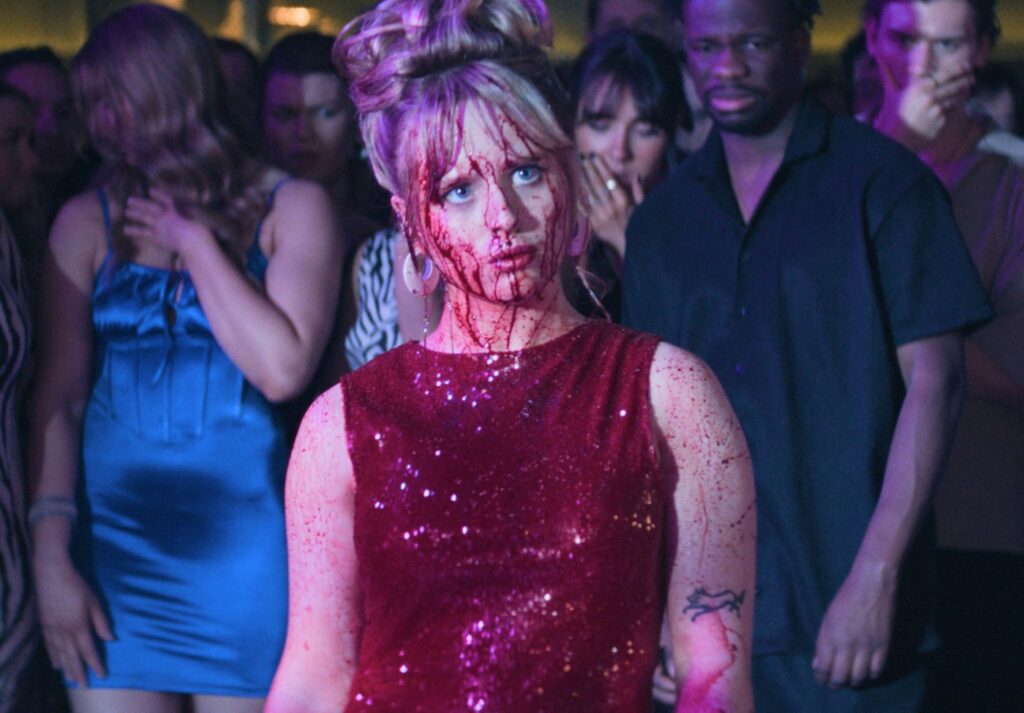
The action sequences in The Last Temptation of Becky necessitated rigorous physical preparation, particularly given the introduction of new combat disciplines. Alongside complex hand-to-hand combat choreography, the third installment prominently features fencing sequences—a direct result of Wilson’s personal background in the sport.
Having practiced fencing since the age of eleven, Wilson advocated successfully for its inclusion in the screenplay. The discipline offered a fitting extension of Becky’s tactical evolution, serving simultaneously as a refined martial art, an athletic outlet for bottled aggression, and a functional combat tool within the narrative framework.
"Fencing makes so much sense to me for Becky," Wilson noted. "Because it’s an art, and it’s also a sport. It’s something to get her aggression out. And it’s a sword. It’s a gadget. And it didn’t take much pushing for it to be in the script."
Director Jenn Wexler noted that the incorporation of swordplay provided a refreshing departure from contemporary action cinema trends, offering stunt coordinator Drew Leary an opportunity to design intricate blade-work sequences that are increasingly rare in modern studio releases. The physical demands of the role required weeks of dedicated rehearsal, which Wilson approached with enthusiasm, likening the complex stunt choreography to a violent form of dance.
Expanding the Cinematic Scope: From Indie Throwbacks to International Thrillers
The stylistic shift from the 2020 original to the 2026 sequel reflects a deliberate expansion in both budget and geographical scope. While the first film drew heavily from gritty, 1970s home-invasion cinema, and the second embraced a more colorful, high-energy exploitation aesthetic, The Last Temptation of Becky adopts the slick, high-stakes conventions of the espionage genre.
Wexler cited major international franchises such as James Bond and Mission: Impossible as primary visual influences, while emphasizing that the film consistently filters these tropes through Becky’s distinct, angsty adolescent perspective. Shooting across dilapidated castles and varied international locations in Belfast marked a substantial logistical leap from the localized Canadian shoots of the previous entries.
"In the series, each movie feels bigger and wilder than the last one," Wexler observed. "The first one feels a little bit more serious… a throwback to gritty ’70s home invasion movies. And then the second one felt more colorful and more fun. So this one, with the premise that she’s now the youngest CIA agent, is now an international spy thriller. The film wanted to be slick… but what’s the Becky version of those movies? We had to filter all of that through Becky’s angsty teen POV."
Maintaining Emotional Resonance Amid Ultraviolence
Despite the escalating body count and the transition into international espionage, the creative team emphasized that Becky’s motivations remain deeply rooted in personal grief rather than callous bloodlust. Having lost her mother to cancer and subsequently witnessing the brutal murder of her remaining family members by neo-Nazi extremists, the character operates from a place of profound core wounds.
Wilson articulated that Becky’s violent actions are consistently driven by a desperate need for vengeance and a tragic lack of trust, even as she tentatively forms complex relationships with characters like Brandon Flynn’s role in the ensemble.
"She’s avenging her family. She lost everyone and everything," Wilson said. "She’s lived a life of loss, and at this point, she’s got nothing left to lose. That desperation was important."
Wexler added that contemporary pop culture frequently relegates trauma-driven antihero narratives to middle-aged male protagonists, making Becky’s youthful expression of these universal grief responses a uniquely compelling focal point for the genre.
Franchise Future and Industry Implications
The premiere of The Last Temptation of Becky at the Fantasia International Film Festival underscores the enduring commercial and critical viability of independent genre franchises that successfully scale their production values without losing their foundational identity. Quiver Distribution’s theatrical rollout positions the film to capitalize on an established fan base while introducing new audiences to Wilson’s matured portrayal of the character.
When discussing the future potential of the series, both Wilson and Wexler humorously brainstormed subsequent trajectories for the protagonist, floating concepts ranging from Krav Maga and boxing to a western-inspired installment featuring horseback riding and spiked lassos. Whether those future iterations materialize will largely depend on the box office reception of Becky’s latest cinematic crusade against global fascism, but the creative synergy between Wilson and Wexler signals a robust blueprint for modern action-franchise stewardship.