Former Xbox Chief Operating Officer Helen Chiang Breaks Silence Following Sudden Departure From Microsoft

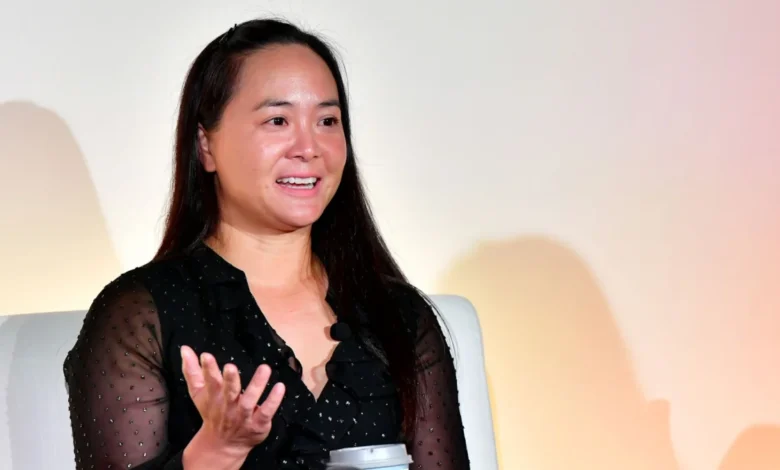
The sudden and cryptic departure of Helen Chiang, a veteran executive with over two decades of tenure at Microsoft, has sent ripples through the gaming industry, prompting a rare public rebuttal from the former leader. Chiang, who was appointed as Xbox’s first-ever Chief Operating Officer (COO) during a major internal restructuring in July, vacated her position just three months later. The exit, which occurred with minimal official communication, was initially clouded by unsubstantiated rumors of policy violations. In a detailed statement released via LinkedIn, Chiang has formally challenged the narrative surrounding her exit, seeking to protect her professional reputation while raising concerns regarding the internal processes that led to her departure.
A Career Built Within the Xbox Ecosystem
To understand the weight of Chiang’s departure, one must look at her extensive history within Microsoft. Joining the company over 20 years ago, Chiang became a cornerstone of the Xbox division. Her rise through the ranks was marked by consistent leadership roles, most notably her six-year tenure as the Corporate Vice President of the Minecraft franchise. Under her guidance, Minecraft solidified its position as a global cultural phenomenon, expanding its reach across platforms and maintaining its status as one of the best-selling video games in history.
In July 2024, as part of a broader corporate "reset" intended to streamline operations amidst a period of industry-wide turbulence, Microsoft elevated Chiang to the newly created role of COO for Xbox. The mandate was significant: she was granted end-to-end profit and loss (P&L) responsibility spanning hardware, content, platform, and services. At the time, the promotion was viewed as a stabilizing move, positioning an experienced internal leader to navigate the complexities of Microsoft’s gaming strategy.
The Timeline of the Split
The trajectory of Chiang’s tenure as COO was short-lived. By October, reports began to circulate that the executive had left the company. The announcement was notably brief. In an internal memo, Xbox CEO Asha Sharma wrote, "Helen Chiang is leaving Microsoft today. I’m grateful for her years of service and wish her well."
The lack of context provided by the company created a vacuum, which was quickly filled by anonymous reports claiming her departure was the result of "policy violations." Given the gravity of such allegations in a corporate environment, the narrative threatened to overshadow her two decades of contribution to the brand. Chiang’s recent public statement serves as an effort to dismantle these claims, asserting that her departure was not rooted in the actions suggested by those leaks.
Addressing the Allegations and Setting the Record Straight
In her LinkedIn post, Chiang addressed the rumors head-on, explicitly denying allegations of policy misconduct. "This is not how I ever imagined my story here would end. And it is not the whole story," she wrote. Her statement was clear: she did not engage in the actions that had been suggested by external speculation.
Beyond the denial of specific rumors, Chiang touched upon the nature of the internal process that led to her exit. She noted that while she would not divulge the specifics of her separation, she harbor "serious concerns" regarding how company standards were applied in her case. "I believe in fairness, accountability, and holding ourselves to the standards we expect of others. Those standards only mean something when they’re applied consistently," she wrote. This implies that the internal investigation or the decision-making process leading to her departure was, in her view, inconsistent or potentially flawed.
Context: The Broader Gaming Industry Landscape
Chiang’s departure occurred against a backdrop of significant instability within the gaming sector. The industry has been grappling with a period of massive consolidation, followed by widespread layoffs and structural re-evaluations. In the months leading up to and following the "reset" that saw Chiang promoted, Xbox underwent significant changes, including the closure of multiple studios and the implementation of thousands of layoffs across the gaming division.
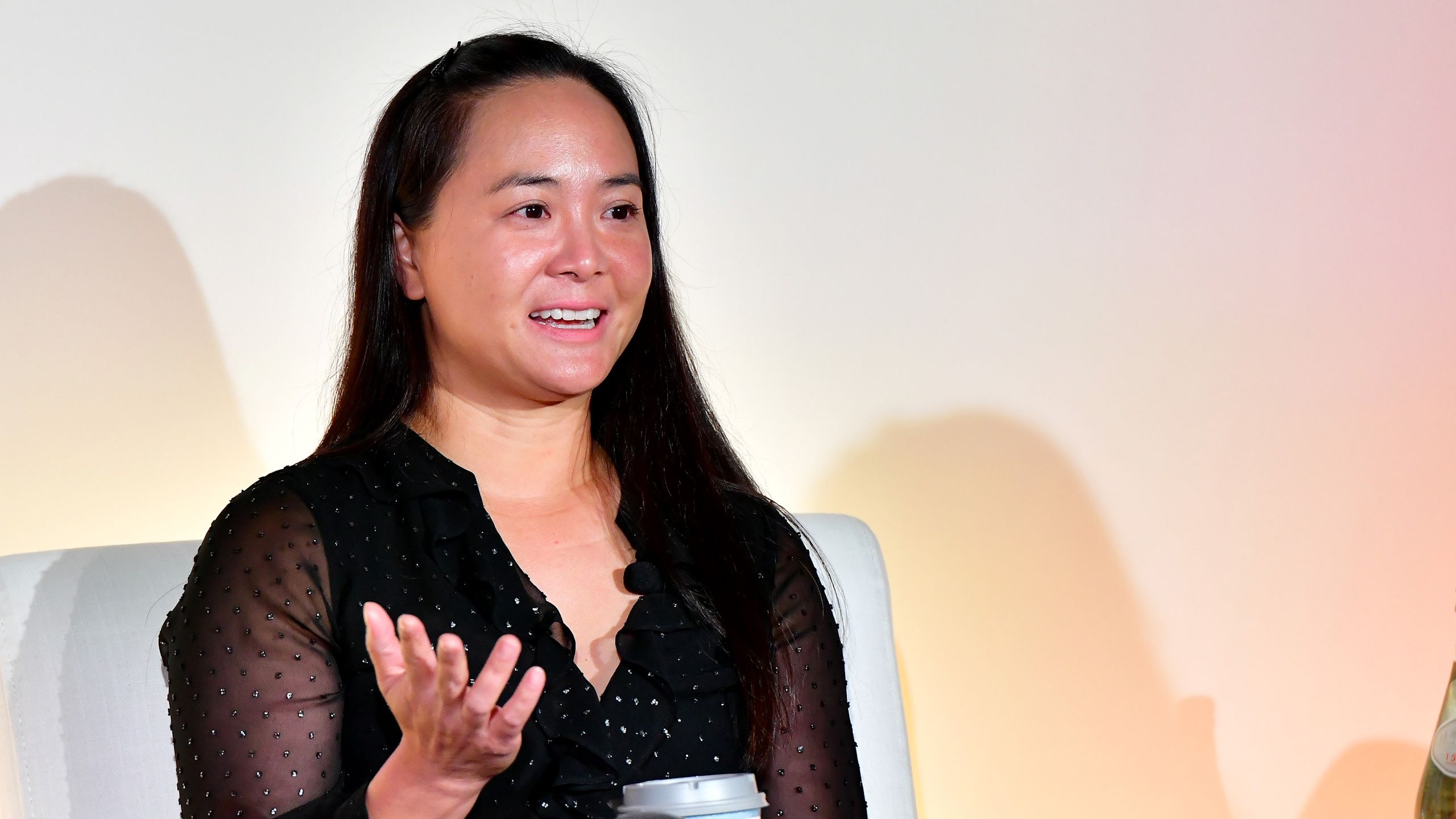
These structural shifts have placed immense pressure on leadership to demonstrate growth while managing shrinking budgets and shifting consumer behaviors. The departure of a high-ranking official like a COO during such a volatile period naturally draws intense scrutiny from shareholders, industry analysts, and the gaming community at large. When an executive of Chiang’s stature leaves under a cloud of mystery, it raises questions about the internal health of the organization and the efficacy of its management strategies during times of crisis.
Corporate Accountability and Professional Reputation
The situation involving Helen Chiang highlights the increasing tension between corporate transparency and the protection of individual reputations. In the era of social media and instant information, the "leaked memo" culture can often result in a permanent staining of an executive’s career before a formal explanation is even provided.
Chiang’s move to use a public platform like LinkedIn to "set the record straight" is a strategic maneuver designed to reclaim her narrative. By framing her departure as a matter of "staying true to your core values," she shifts the focus away from the rumors of misconduct and toward the ethics of the corporate environment. This is a common, though high-stakes, strategy for leaders who believe they have been wronged by internal institutional mechanisms.
Implications for Microsoft and the Xbox Division
The departure of a key architect like Chiang, particularly so soon after a major promotion, leaves several questions unanswered regarding the future direction of the Xbox division. If the COO role was intended to be a linchpin of the company’s new organizational structure, her exit suggests a potential disruption in the execution of the "reset" strategy.
Furthermore, the public nature of her concerns could impact internal morale. When a long-term, high-performing executive expresses concerns about the consistent application of standards, it can foster a culture of apprehension among the remaining staff. Whether or not Microsoft responds to these claims remains to be seen. As of the time of reporting, the company has not provided a detailed rebuttal, adhering to a standard policy of not commenting on personnel matters.
Moving Forward: The Legacy of a Veteran Leader
Helen Chiang’s career at Microsoft has spanned the evolution of gaming from a niche hobby to a dominant global entertainment medium. Her work with Minecraft helped define a generation of gaming, and her influence on the Xbox platform’s strategy during the transition to a service-based model is well-documented.
The ultimate impact of this incident on her career and on the stability of the Xbox leadership team will likely be determined by how the industry perceives the validity of her claims. If her concerns regarding the application of corporate standards are echoed by other internal or external observers, the episode could trigger a broader discussion about corporate governance within the gaming industry.
For now, the situation remains a cautionary tale of how quickly a tenure of 20 years can be overshadowed by a few weeks of ambiguity. Chiang’s final words on the matter—“My story is about staying true to your core values, especially when it is hard”—signal that she is ready to transition to a new chapter, albeit one that is significantly different from the one she envisioned. As the industry continues to monitor the situation, the focus remains on whether Microsoft will address these concerns more transparently, or if this chapter will remain closed, leaving behind only speculation and the professional records of those involved.